
 EN
EN
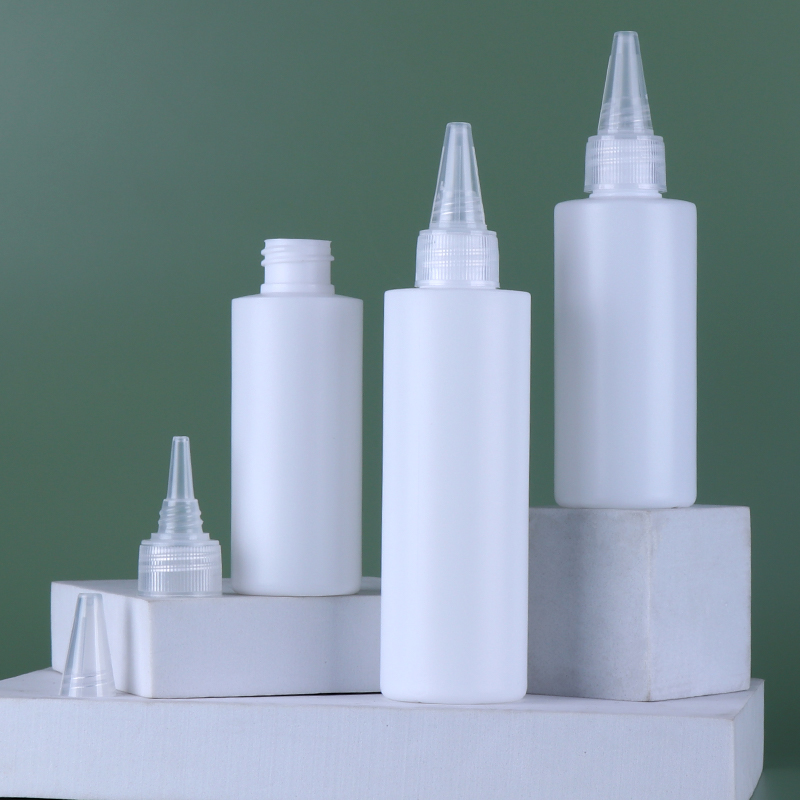
Polietileen, algemeen bekend as PE, is een van die mees veelsydige en koste-effektiewe materiale in die verpakkingsbedryf vandag. Die PE-fles het ‘n noodsaaklike komponent geword oor chemiese vervaardiging, farmaseutiese produksie, voedselverwerking en industriële verspreidingsnetwerke wêreldwyd. Om te verstaan hoe ‘n PE-fles binne hierdie uitdagende omgewings funksioneer, vereis ‘n ondersoek na sy materialeienskappe, praktiese toepassings en die spesifieke voordele wat dit bied aan besighede wat gevaarlike of sensitiewe vloeistofprodukte hanteer.
Die PE-fles dien as 'n betroubare bevattingoplossing vir verskeie vloeistofformulerings wat beskermende, ligte en chemiesbestand verpakking vereis. Organisasies oor verskeie nywe heen vertrou op PE-flesontwerpe om produkintegriteit te handhaaf, regulêre nalewing te verseker en die voorsieningskettingdoeltreffendheid te optimaliseer. Of dit nou korrosiewe chemikalieë, essensiele olies, voedselkleurstowwe, gekonsentreerde oplossings of farmaseutiese voorbereidings is wat gestoor word, die PE-fles toon konsekwente prestasie wat streng nywerheidsstandaarde en bedryfsvereistes bevredig.
Materiaaleienskappe en chemiese bestandheid van PE-flesoplossings
Begrip van polietileen-samestelling en duurzaamheid
Die PE-fles het sy wye aanvaarding te danke aan polietileen se inherente chemiese weerstand en strukturele stabiliteit. Polietileen bestaan in verskeie digtheidgrade, met hoëdigtheidpolietileen (HDPE) en laedigtheidpolietileen (LDPE), wat elk unieke voordele vir spesifieke verpakkingstoepassings bied. 'n PE-fles wat uit HDPE vervaardig is, bied uitstekende styfheid, steekweerstand en barriereienskappe teen die meeste organiese oplosmiddels, sure en alkaliese oplossings. Hierdie materiaalsamestelling laat toe dat die PE-fles houerintegriteit behou selfs wanneer dit aan uitdagende chemiese omgewings blootgestel word wat alternatiewe verpakkingsmateriale sou afbreek.
Beskerming teen produkafbreek
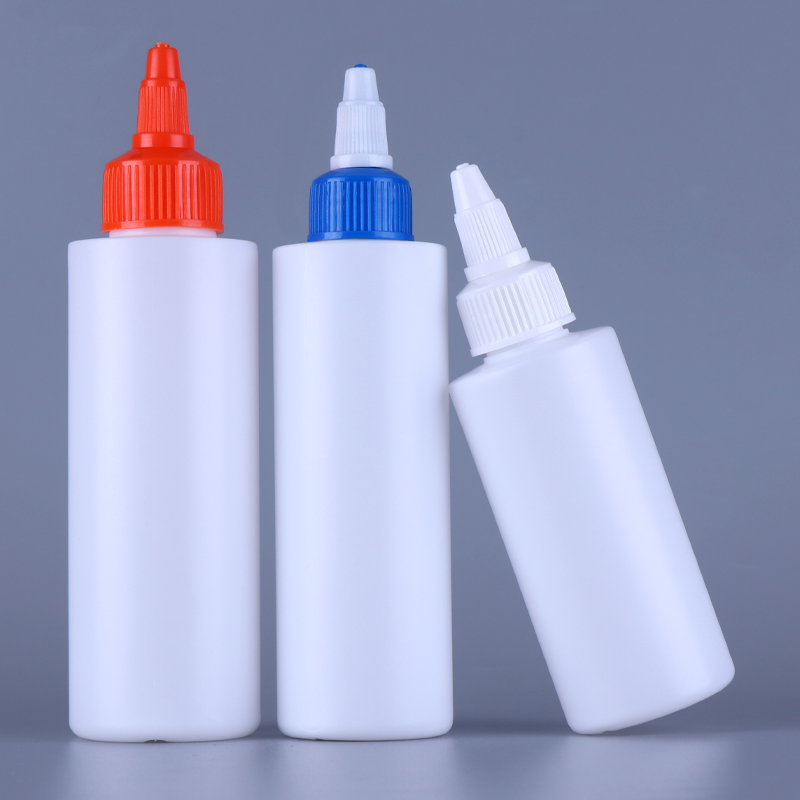
Industriële fasiliteite is afhanklik van PE-flessieverpakking om vloeibare inhoud teen omgewingsbesoedeling en UV-afbreek te beskerm. Die ondeursigtige struktuur van die PE-flessie, wat in verskeie kleure soos amber en blou beskikbaar is, bied ligbeskerming wat die skerpheidstyd van produkte aansienlik verleng. Wanneer 'n PE-flessie vir sensitiewe formuleringe soos essensiële olies of farmaseutiese konsentrate gekies word, word die ondeursigtigheid en chemiese stabiliteit van poliëtilieen noodsaaklike faktore om oksidasie, verdamping en chemiese afbreek te voorkom. Hierdie beskermende vermoë maak die PE-flessie 'n ekonomiese keuse vir die bewaring van duur of sensitiewe vloeibare voorbereidings gedurende stoor- en verspreidingsiklusse.
Nywerheid Toepassing Skenarios en verpakkingsvereistes
Chemiese vervaardiging en gevaarlike materiaalopslag
Chemiesvervaardigers spesifiseer toenemend PE-flesse vir die berging van gekonsentreerde sure, oplosmiddels, seepmiddels en spesiale chemiese samestellings. Die weerstand van PE-flessies teen korrosie en chemiese aanval maak dit geskik vir industriële toepassings waar metaalhouers sou korrodeer en glasalternatiewe breekrisiko's inhou. Fasiliteitsbestuurders waardeer die ligte konstruksie van PE-flessies, wat vervoerkoste verminder en hanteringsbeserings verminder terwyl bevatingsveiligheid behou word. Organisasies wat ingewikkelde chemiese voorraad bestuur, standaardiseer dikwels op PE-flessiestelsels om verskaffing, opleiding en regulêre dokumentasie oor verskeie vervaardigingswerf te vereenvoudig.
Toepassings in die farmaseutiese, kosmetiese en voedselbedryf
Binne die farmaseutiese vervaardiging dien die PE-fles as ’n goedgekeurde behouer vir vloeibare medikasie, tincture en gekonsentreerde werklike bestanddele wat steriele bevatting vereis. Kosmetiese vervaardigers gebruik PE-flesverpakking vir grimerieformulasies, lyms en gespesialiseerde skoonheidsverbindings waar chemiese versoenbaarheid en produkbeskerming noodsaaklik is. Voedselverwerkers gebruik PE-flesoplossings vir kleurstowwe, smaakstowwe, ekstrakte en voedselgraad-vloeibare byvoegings wat sekuriteit en regskonforme verpakking vereis. Oor hierdie verskeie sektore heen toon die PE-fles konsekwente prestasie terwyl dit aan FDA-, USP- en internasionale regulêre vereistes voldoen wat materiaalkontak en produkveiligheid betref.
Ontwerpveelsydigheid en bedryfsvoordele van PE-flesbehouers
Uitdruk-flesontwerpe en beheerde verspreiding
Die veerkragtigheid van die PE-fles maak dit moontlik vir vervaardigers om funksionele ontwerpkenmerke in te sluit wat die gebruikerservaring en bedryfsdoeltreffendheid verbeter. Knypstyl-PE-flesontwerpe laat presiese vloeistofdosering toe sonder uitgieting of produkverspilling, veral waardevol vir duur konsentrate, lyms en oëdruppels wat beheerde toepassing vereis. Die inkrimpende eienskappe van die PE-fles laat bediener toe om lugblootstelling binne die houer tot 'n minimum te beperk, wat oksidasie verminder en die produk se lewensduur verleng. Spesialiseerde PE-fleskonfigurasies sluit toepassingsdeksels, druppelafsluiters en drukgeaktiveerde verspreiers in wat basiese houers transformeer na gesofistikeerde vloeistofleweringstelsels wat geskik is vir tegniese en verbruikersaansoeke.
Kostedoeltreffendheid en volhoubaarheid in versorgingskettings
PE-flessieverpakking bied beduidende ekonomiese voordele oor die aankoop-, logistieke- en afvalbestuurfunksies heen. Die materiaal se ligte aard verminder vervoerkoste aansienlik in vergelyking met glas- of metaalalternatiewe, met ooreenstemmende omgewingsvoordele as gevolg van laer brandstofverbruik. Vervaardigers kan PE-flessiebestellings standaardiseer oor verskeie produklyne, wat volumeafslagte en vereenvoudigde voorraadbestuur moontlik maak. Daarby ondersteun polietileen se herwinbaarheid korporatiewe volhoubaarheidsinisiatiewe en reguleringsnakoming met uitgebreide verantwoordelikhede van die vervaardiger in baie jurisdiksies. Die PE-flessie verteenwoordig 'n slim belegging wat koste-doeltreffendheid balanseer met omgewingsbeskerming en bedryfspraktikabiliteit.
VEE
Watter chemiese stowwe kan veilig in 'n PE-flessie gestoor word?
‘n PE-fles stoor veilig die meeste organiese oplosmiddels, olies, sure met ‘n pH bo 2, verdunte alkalis en waterige oplossings wat algemeen in industriële bedrywighede aangetref word. Sekere sterk oksiderende middels, ge-konsentreerde waterstofluorsuur en spesifieke aromatiese verbindings kan egter die integriteit van poliëtiesien kompromitteer. Raadpleeg altyd materiaalkompatibiliteitskaarte en voer kompatibiliteitstoetse uit voordat onbekende chemiese samestellings in PE-fleshouers gestoor word om produkveiligheid en regulêre nalewing te verseker.
Hoe vergelyk PE-flesverpakking met alternatiewe houermaterials?
Die PE-fles bied beter koste-effektiwiteit en chemiese weerstand in vergelyking met glas, terwyl dit beter barriereienskappe en strukturele volhoubaarheid as baie alternatiewe plastieke verskaf. Glasbehouders verskaf maksimum chemiese onaktiwiteit, maar verhoog die risiko van breekbaarheid en vervoerkoste. Metaalbehouders bied sterkte, maar hul vatbaarheid vir korrosie beperk hul toepassing. Die PE-fles balanseer prestasie, bekostigbaarheid en praktikabiliteit, wat dit die verkose keuse vir die meeste industriële vloeistofverpakkingstoepassings maak wat betroubare, ekonomiese oplossings vereis.
Kan PE-flesbehouders aan regulêre vereistes vir farmaseutiese en voedselprodukte voldoen?
Ja, PE-flessieverpakking wat vervaardig is van voedselgraad- of farmaseutiese graad-polietileen, voldoen aan die FDA-, USP- en internasionale regulêre standaarde wat materiaalveiligheid en produk-kontak-nakoming beheer. Vervaardigers moet PE-flessiehouers van sertifiseerde verskaffers aankoop wat korrekte dokumentasie, gehalteversekeringprotokolle en materiaalsertifikate handhaaf. Wanneer u Pe fles oplossings vir gereelde bedrywe kies, moet u die verskaffer se kwalifikasies verifieer en sertifikate van analise versoek wat die materiaalspesifikasies en nakomingsstatus bevestig.