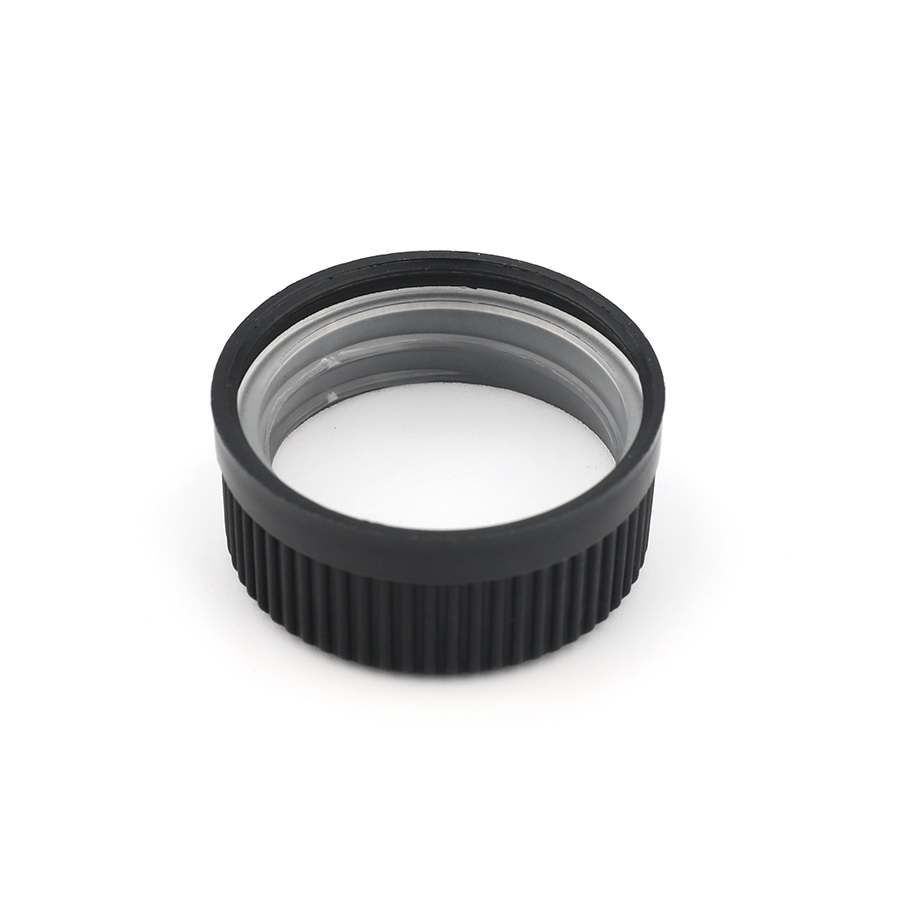
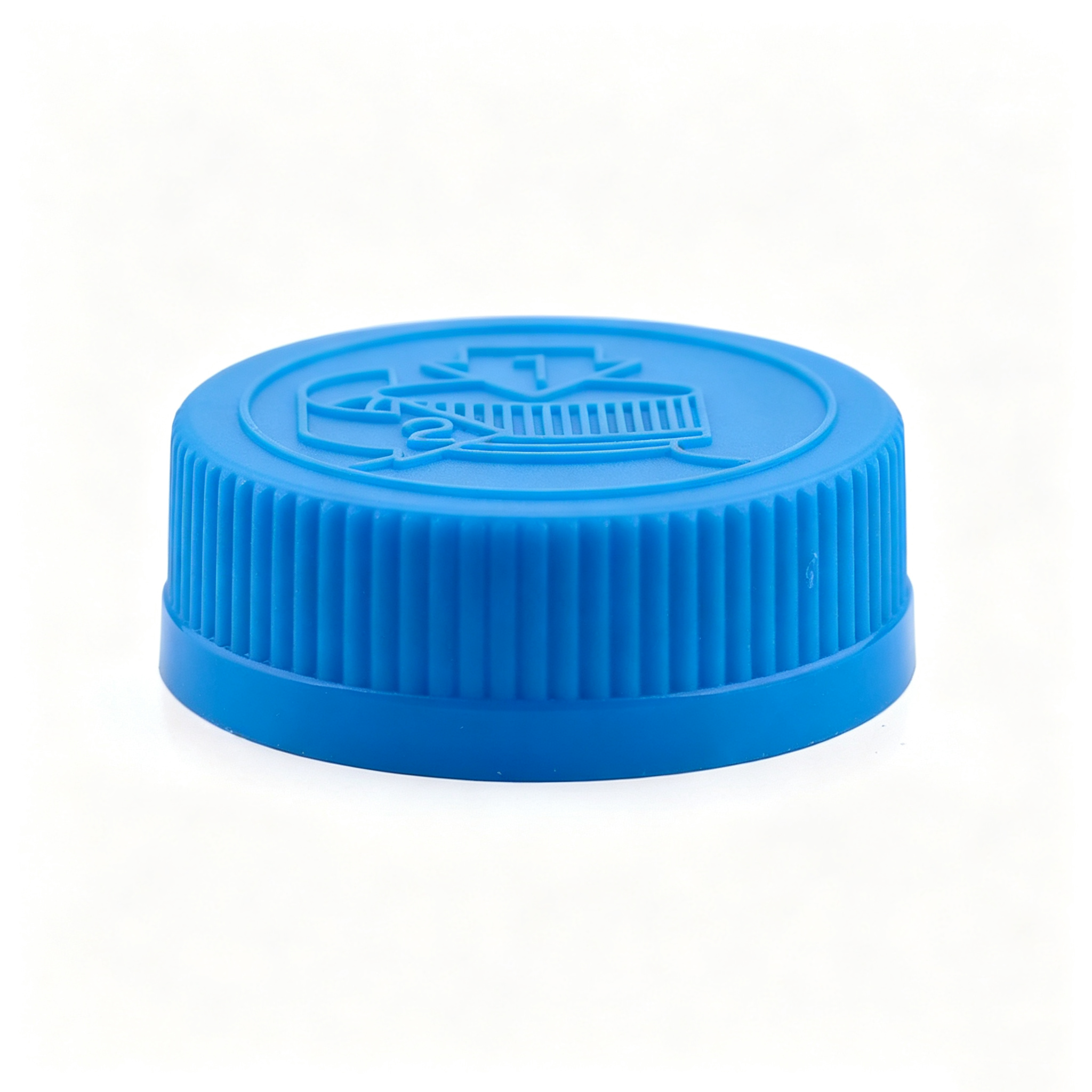
CRC Cap: Child-Resistant Closure Solutions for Safe and Compliant Packaging

All Categories

Get a Free Quote

Our representative will contact you soon.
Email
Mobile/WhatsApp
Name
Company Name
Message
0/1000

crc cap

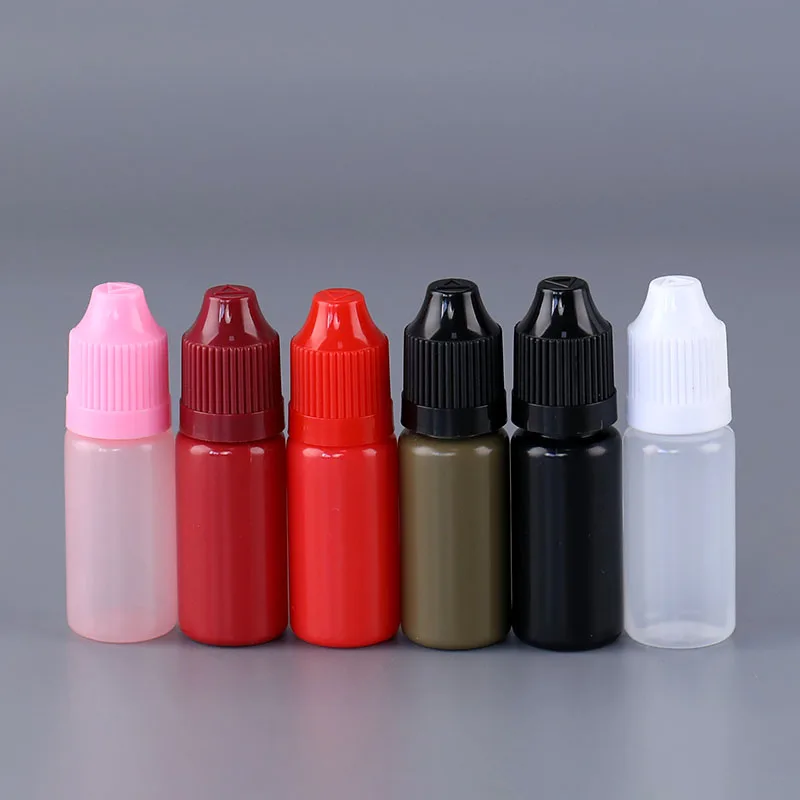
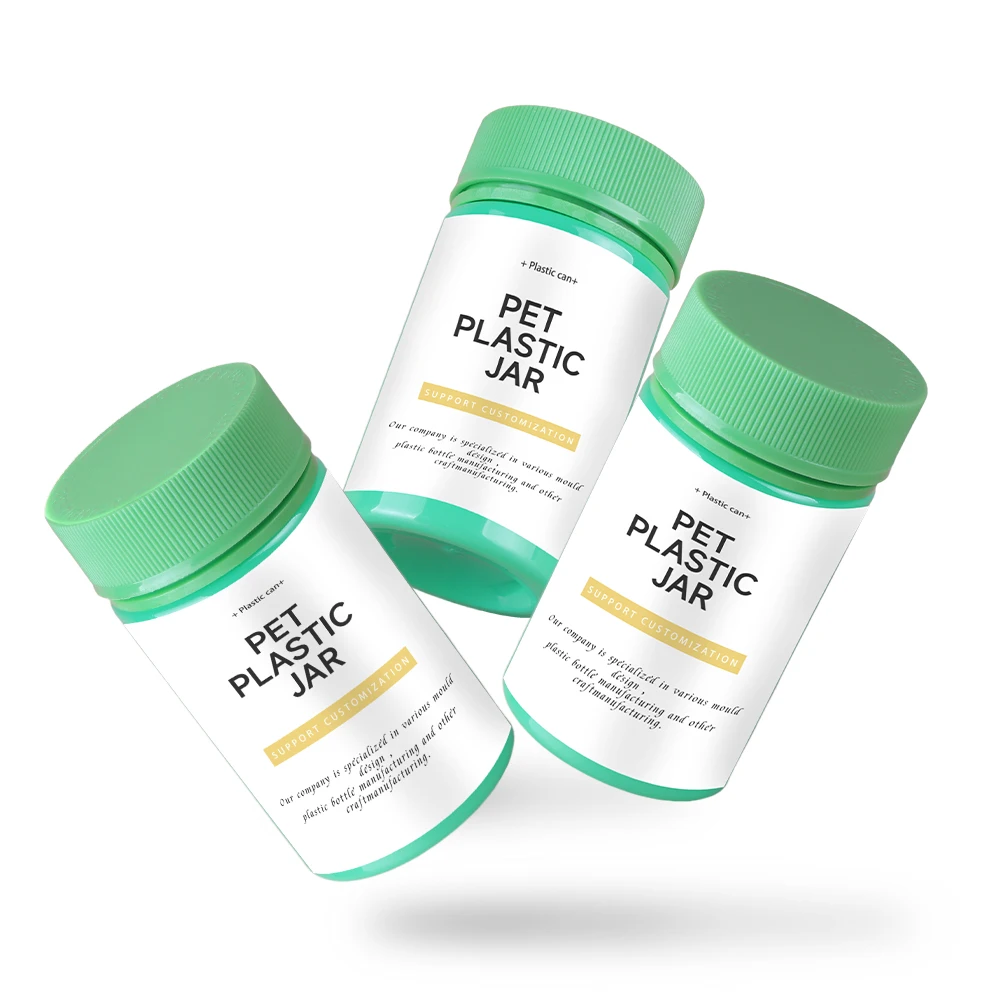
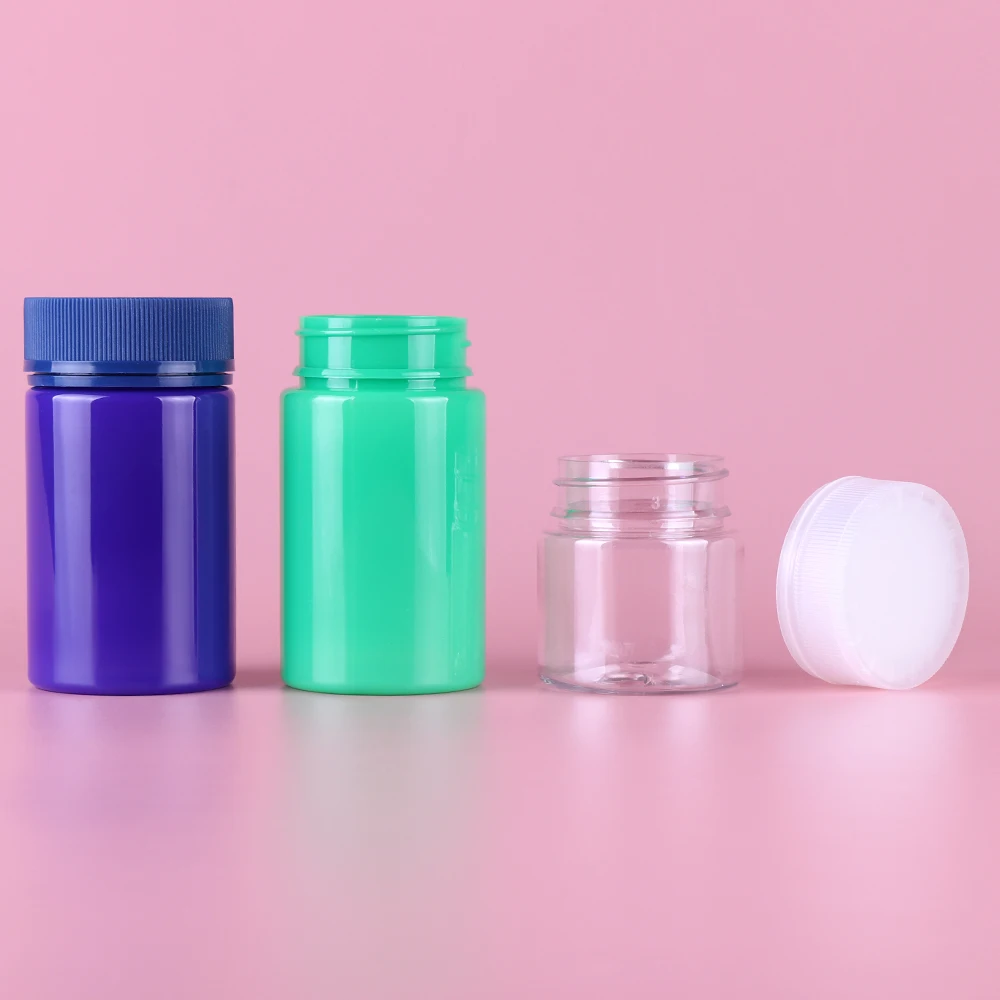
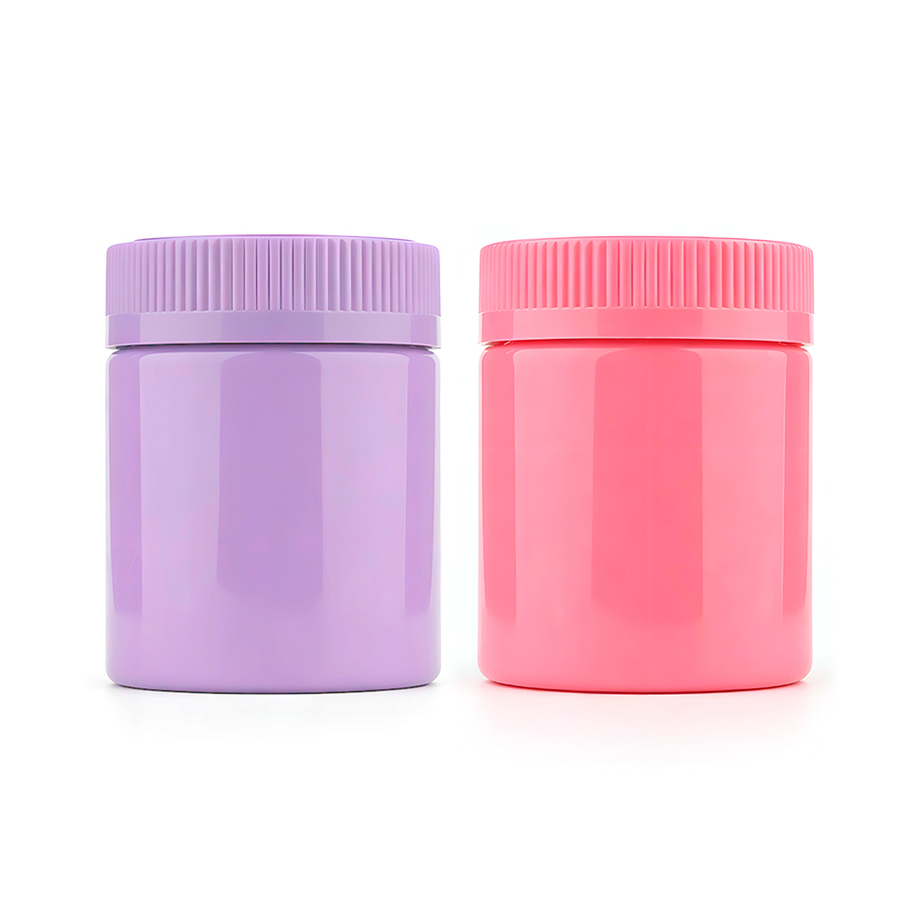
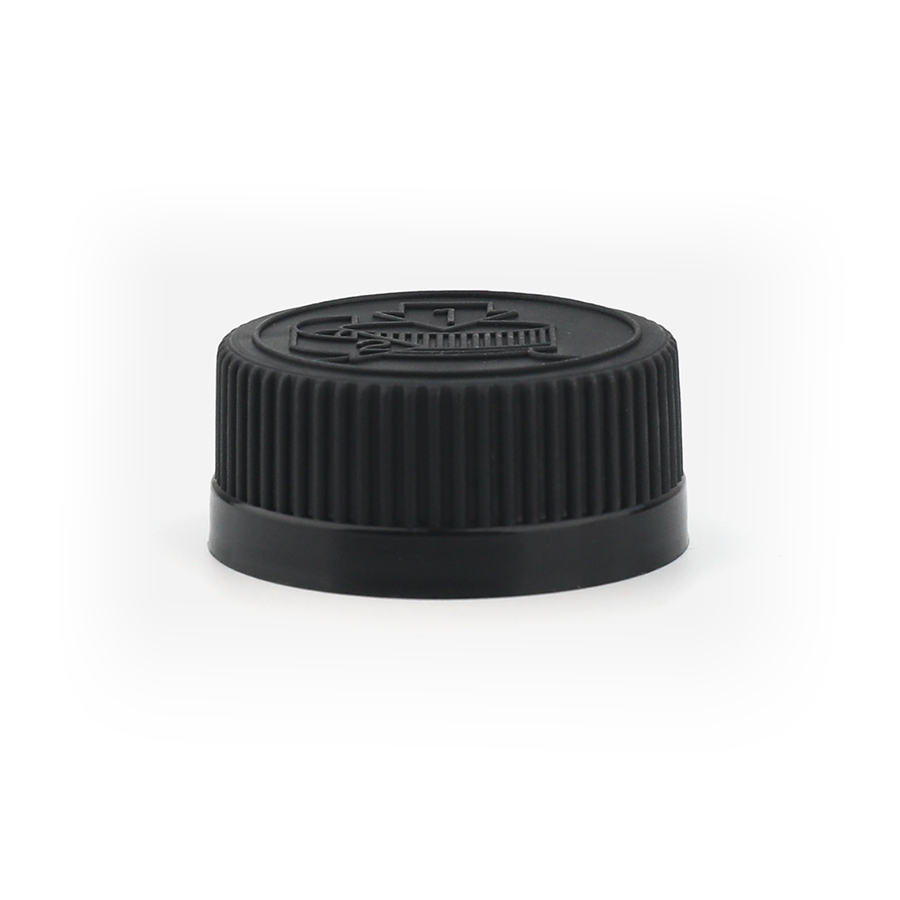
The CRC cap is a specialized closure solution engineered to meet the demanding requirements of child-resistant packaging across a wide range of industries. Standing for Child-Resistant Closure, the CRC cap combines safety, functionality, and durability into a single compact design that has become a standard in pharmaceutical, chemical, agricultural, and household product packaging. At its core, the CRC cap is designed to prevent young children from accessing potentially hazardous contents while still allowing adults to open the container with ease when the correct technique is applied. This dual-function mechanism is what sets the CRC cap apart from conventional closures and makes it an essential component in responsible product packaging. From a technological standpoint, the CRC cap typically employs a push-and-turn or squeeze-and-turn mechanism that requires a specific combination of actions to disengage the locking system. These mechanisms are precision-engineered using high-grade polypropylene or polyethylene materials, ensuring resistance to chemical exposure, moisture, and physical stress. Many CRC cap designs also incorporate tamper-evident features, providing an additional layer of product integrity assurance for both manufacturers and end users. The CRC cap is available in a broad spectrum of sizes and thread configurations, making it compatible with bottles, jars, and containers used across diverse sectors. In the pharmaceutical industry, the CRC cap is a regulatory requirement for many over-the-counter and prescription medications, ensuring compliance with safety standards such as those set by the Consumer Product Safety Commission. In the agricultural and chemical sectors, the CRC cap protects against accidental ingestion of pesticides, fertilizers, and solvents. Household cleaning product manufacturers also rely on the CRC cap to safeguard families from exposure to toxic substances. Beyond safety, the CRC cap contributes to brand trust and regulatory compliance, making it a smart investment for any company that prioritizes consumer protection and product quality.

New Product Recommendations

The CRC cap delivers a set of practical benefits that make it a top choice for manufacturers and consumers alike. Here is a clear breakdown of what makes the CRC cap stand out in real-world applications. First and foremost, the CRC cap keeps children safe. Accidental poisoning is a serious concern in households where medications, cleaning products, or chemicals are stored. The CRC cap creates a physical barrier that young children cannot easily overcome, reducing the risk of accidental ingestion significantly. Parents and caregivers gain peace of mind knowing that a product sealed with a CRC cap is far less accessible to curious little hands. This safety benefit alone makes the CRC cap an indispensable packaging choice for any product that poses a risk to children. Second, the CRC cap is easy for adults to use. Despite its child-resistant design, the CRC cap does not sacrifice convenience for adults. The push-and-turn or squeeze-and-turn mechanism is intuitive once learned, allowing adults to open and reseal containers quickly and without frustration. This balance between security and accessibility is a key reason why the CRC cap has earned widespread acceptance among consumers and regulatory bodies alike. Third, the CRC cap supports regulatory compliance. Many industries are legally required to use child-resistant packaging for specific product categories. By choosing a CRC cap, manufacturers automatically align with regulations such as the Poison Prevention Packaging Act in the United States and similar legislation in other countries. This compliance protects companies from legal liability and builds consumer confidence in the brand. Fourth, the CRC cap is built to last. Made from durable thermoplastic materials, the CRC cap resists cracking, warping, and chemical degradation over time. Whether a product sits on a shelf for months or is used daily, the CRC cap maintains its structural integrity and continues to perform its protective function reliably. Fifth, the CRC cap is versatile. It comes in a wide range of sizes, colors, and configurations to suit virtually any container type. Manufacturers can customize the CRC cap to match their branding while maintaining full safety functionality. This flexibility makes the CRC cap a practical solution for startups and large enterprises alike. Sixth, the CRC cap enhances product trust. When consumers see a CRC cap on a product, they immediately associate it with safety and quality. This visual cue reinforces brand credibility and can influence purchasing decisions, especially among parents and health-conscious buyers. Seventh, the CRC cap reduces liability exposure. By proactively using child-resistant closures, companies demonstrate a commitment to consumer safety that can protect them in the event of product liability claims. The CRC cap is not just a packaging component but a risk management tool that adds measurable value to any product line.

Latest News

Get a Free Quote

Our representative will contact you soon.
Email
Mobile/WhatsApp
Name
Company Name
Message
0/1000

crc cap

Advanced Child-Resistant Mechanism: How the CRC Cap Protects What Matters Most

Advanced Child-Resistant Mechanism: How the CRC Cap Protects What Matters Most

The defining feature of the CRC cap is its sophisticated child-resistant mechanism, which represents decades of engineering refinement aimed at solving one of the most critical challenges in consumer product safety. The mechanism built into every CRC cap is designed around a fundamental insight: children and adults interact with objects differently. Young children typically apply direct force when trying to open a container, pulling or twisting without the cognitive ability to combine multiple simultaneous actions. The CRC cap exploits this difference by requiring a two-step action, such as pressing down while turning or squeezing the sides while rotating, that falls outside the natural problem-solving range of most children under five years of age. This is not a simple lock but a carefully calibrated resistance system that has been tested against standardized protocols to ensure it meets international child-resistance benchmarks. The engineering behind the CRC cap involves precision-molded locking tabs, ratchet systems, or interference fits that engage and disengage only when the correct combination of force and motion is applied. These internal components are manufactured to tight tolerances, ensuring consistent performance across every unit produced. The materials used in the CRC cap, typically food-grade or pharmaceutical-grade polypropylene, are selected for their ability to maintain dimensional stability under varying temperature and humidity conditions, which is critical for ensuring the mechanism functions correctly throughout the product's shelf life. Beyond the mechanical design, the CRC cap undergoes rigorous testing before it reaches the market. Child-resistance testing involves panels of children aged 42 to 51 months attempting to open the closure within a set time frame, while senior-use testing ensures that adults, including elderly individuals with reduced hand strength, can still operate the CRC cap without difficulty. This dual-testing approach ensures that the CRC cap achieves its protective purpose without becoming a barrier to legitimate use. For manufacturers, choosing a CRC cap that has passed these tests provides documented evidence of compliance, which is invaluable during regulatory audits and product liability proceedings. The result is a closure that genuinely protects children while respecting the needs of adult users, making the CRC cap a benchmark in responsible packaging design.
Durability and Material Excellence: Why the CRC Cap Stands Up to Real-World Demands

Durability and Material Excellence: Why the CRC Cap Stands Up to Real-World Demands

One of the most underappreciated qualities of the CRC cap is its exceptional durability, which ensures that the safety and sealing performance of the closure remain intact from the moment of filling through the entire lifecycle of the product. The CRC cap is typically manufactured from high-density polypropylene or polyethylene, materials chosen specifically for their outstanding combination of mechanical strength, chemical resistance, and processing consistency. These thermoplastic materials allow the CRC cap to withstand the physical stresses of automated capping lines, where closures are applied at high speed with significant torque, without cracking, deforming, or losing their locking geometry. In environments where products are stored under varying temperature conditions, from cold chain pharmaceuticals to outdoor agricultural chemicals, the CRC cap maintains its dimensional accuracy and continues to provide a reliable seal. Chemical resistance is another critical dimension of the CRC cap's durability profile. Many of the products that require child-resistant packaging, including solvents, pesticides, bleach-based cleaners, and liquid medications, are chemically aggressive and can degrade inferior closure materials over time. The CRC cap is formulated and tested to resist permeation, swelling, and stress cracking when in contact with these substances, ensuring that the closure does not become a source of leakage or contamination. This chemical compatibility is not accidental but the result of deliberate material selection and compatibility testing conducted during the product development phase. The CRC cap also performs well in terms of torque retention, meaning that once applied to a container, it maintains the appropriate opening resistance over time rather than loosening or tightening unpredictably. This consistency is essential for both safety and user experience, as a CRC cap that becomes too difficult to open defeats its purpose for adult users, while one that loosens over time may no longer provide adequate child resistance. For companies that ship products internationally or store inventory for extended periods, the long-term reliability of the CRC cap translates directly into reduced product loss, fewer customer complaints, and stronger brand reputation.
Regulatory Compliance and Brand Value: The Strategic Advantage of the CRC Cap

Regulatory Compliance and Brand Value: The Strategic Advantage of the CRC Cap

In today's highly regulated consumer goods landscape, the CRC cap is far more than a safety feature. It is a strategic asset that helps companies navigate complex regulatory environments while simultaneously building the kind of brand trust that drives long-term customer loyalty. Regulatory compliance is a non-negotiable requirement for many product categories, and the CRC cap is at the center of these requirements in markets around the world. In the United States, the Poison Prevention Packaging Act mandates child-resistant packaging for a broad range of household substances and medications, and the CRC cap is the most widely used solution for meeting these requirements. Similar regulations exist in the European Union, Canada, Australia, and many other jurisdictions, making the CRC cap a globally recognized standard for safe packaging. For manufacturers operating in multiple markets, selecting a CRC cap that meets the most stringent international standards simplifies the compliance process and reduces the cost and complexity of maintaining separate packaging lines for different regions. Beyond compliance, the CRC cap sends a powerful message to consumers. In a marketplace where safety and transparency are increasingly important purchasing criteria, a product sealed with a CRC cap communicates that the manufacturer takes consumer protection seriously. This signal is particularly resonant with parents, healthcare professionals, and institutional buyers who prioritize safety in their procurement decisions. The visual and tactile familiarity of the CRC cap also contributes to consumer confidence, as it is a closure type that people recognize and trust from their experience with pharmaceuticals and other regulated products. From a brand equity perspective, the CRC cap allows companies to position their products as premium, responsible choices without requiring significant additional investment. The incremental cost of upgrading to a CRC cap is modest compared to the reputational and legal benefits it provides. Companies that proactively adopt the CRC cap across their product lines demonstrate a forward-thinking approach to safety that resonates with regulators, retailers, and consumers alike, creating a virtuous cycle of trust and compliance that strengthens the brand over time.

Get a Free Quote

Our representative will contact you soon.
Email
Mobile/WhatsApp
Name
Company Name
Message
0/1000