pet bottle blow molding
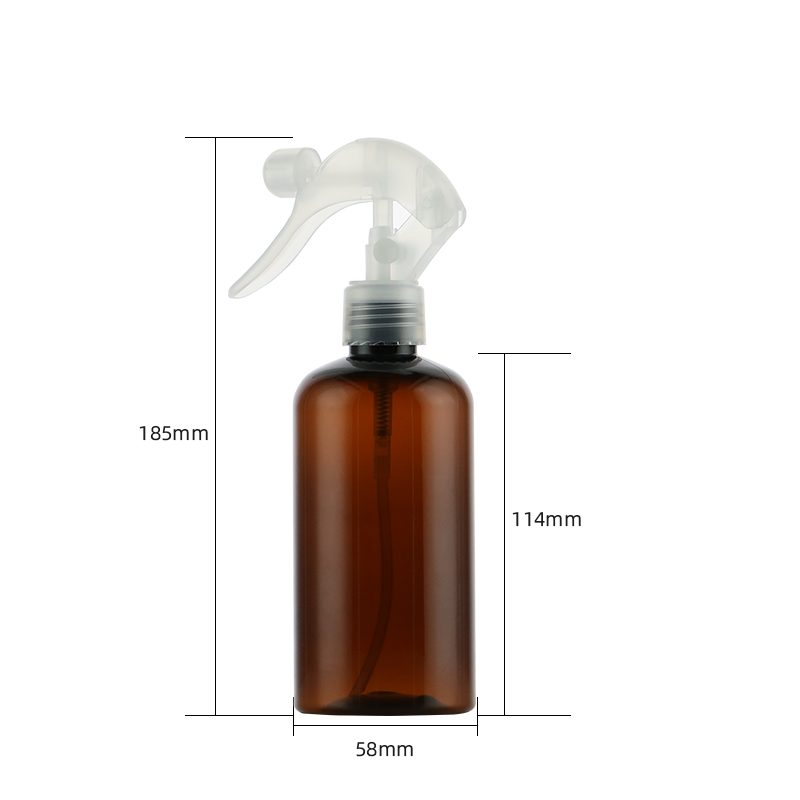
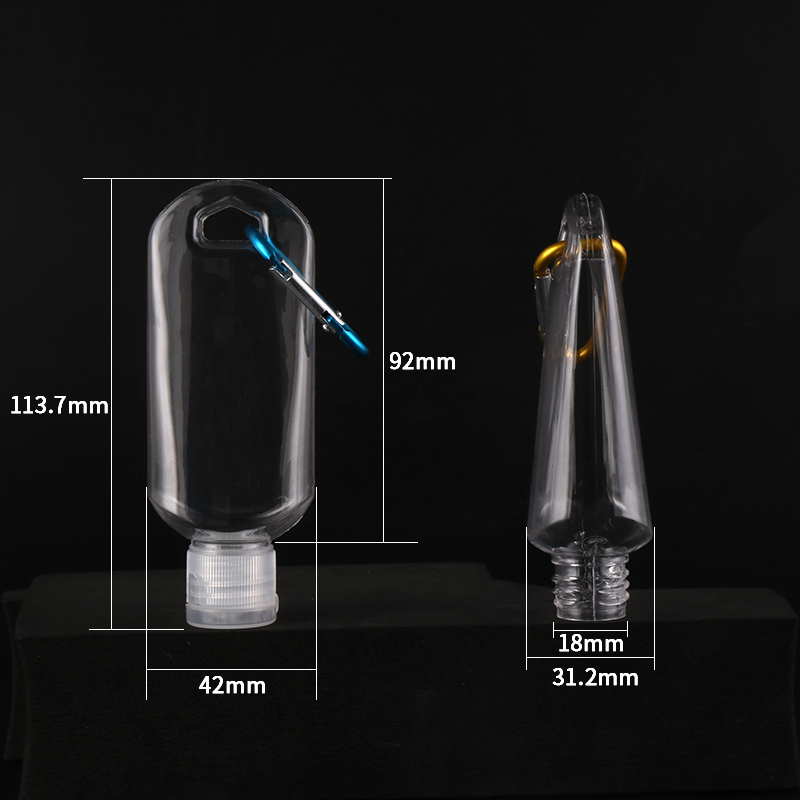
Pet bottle blow molding is a sophisticated manufacturing process that produces plastic bottles from raw materials with exceptional precision and efficiency. This technology creates lightweight, durable containers suitable for beverages, water, juices, and various liquid products. Pet bottle blow molding operates through three primary stages: preform injection, heating, and final blow molding, where compressed air expands heated plastic into precise bottle shapes within molds.
The technological features of pet bottle blow molding include advanced temperature control systems that ensure consistent material properties throughout production. The process utilizes specialized equipment designed to handle polyethylene terephthalate (PET) plastic, maintaining optimal viscosity for superior bottle formation. Modern pet bottle blow molding machines incorporate servo-driven technology, reducing energy consumption while improving production accuracy and cycle times significantly.
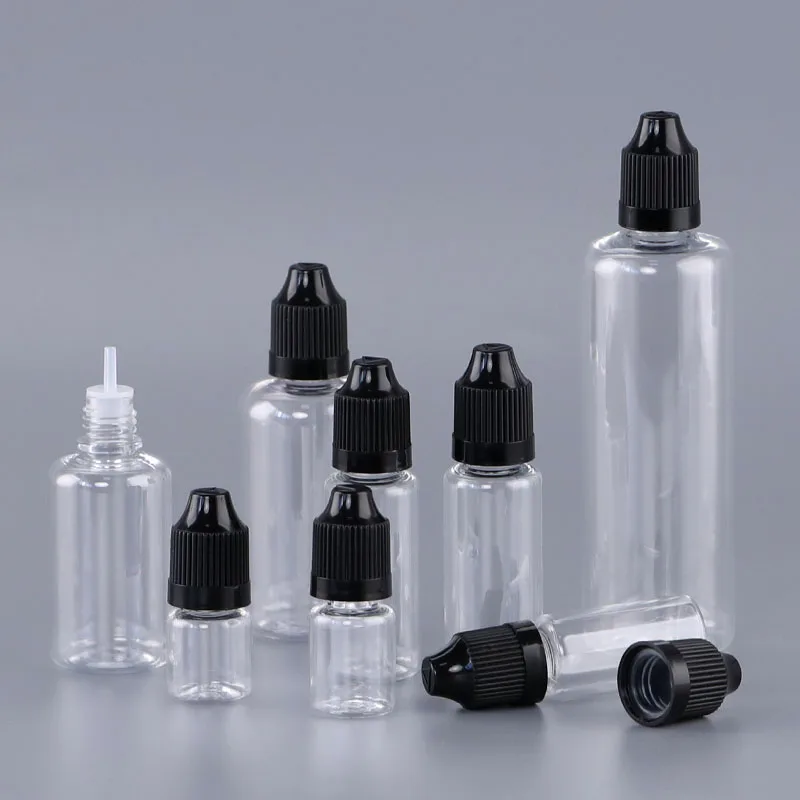
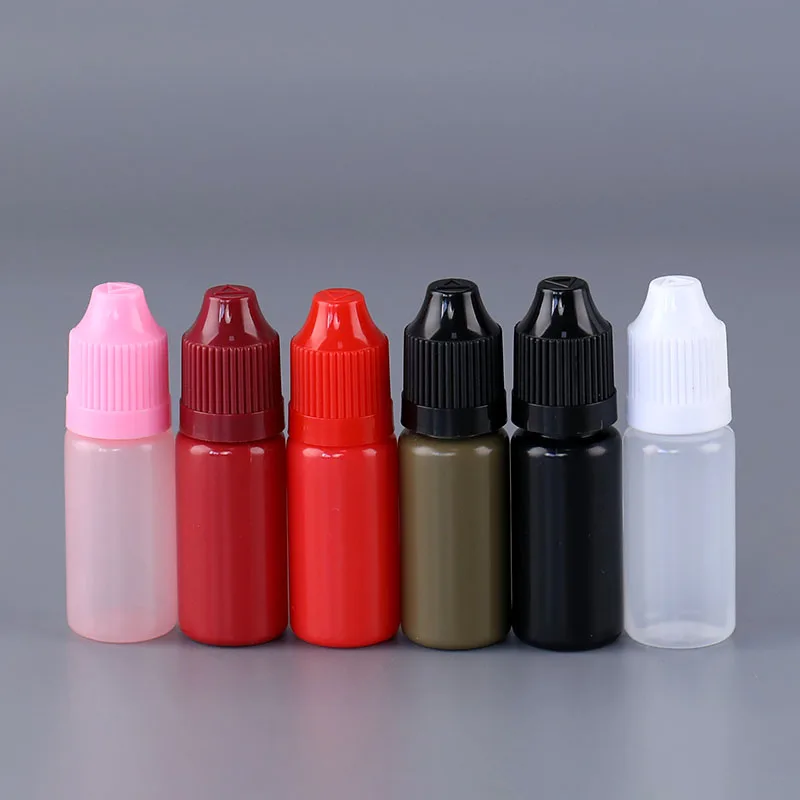
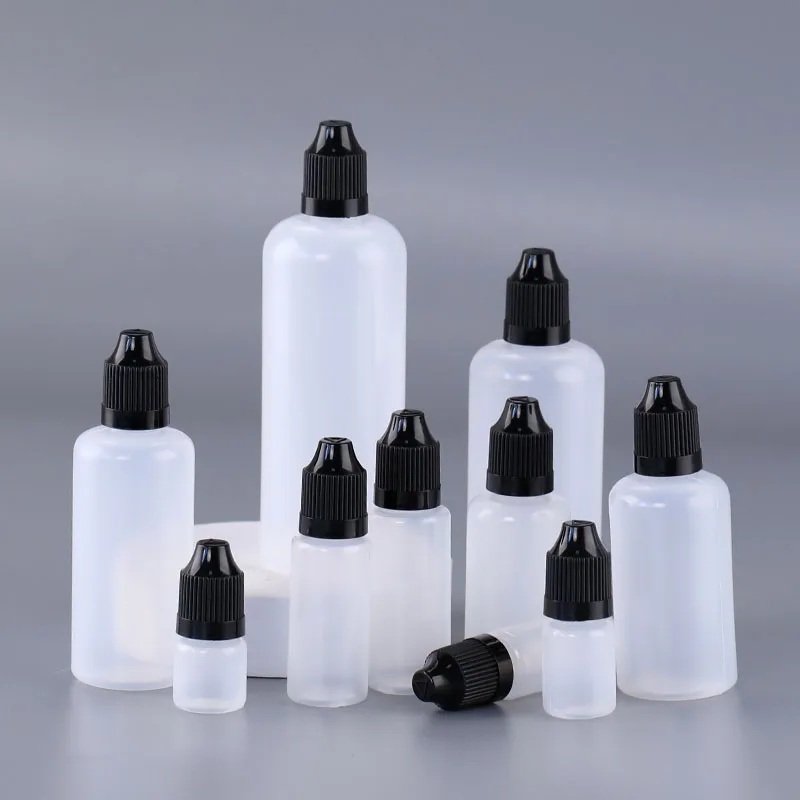
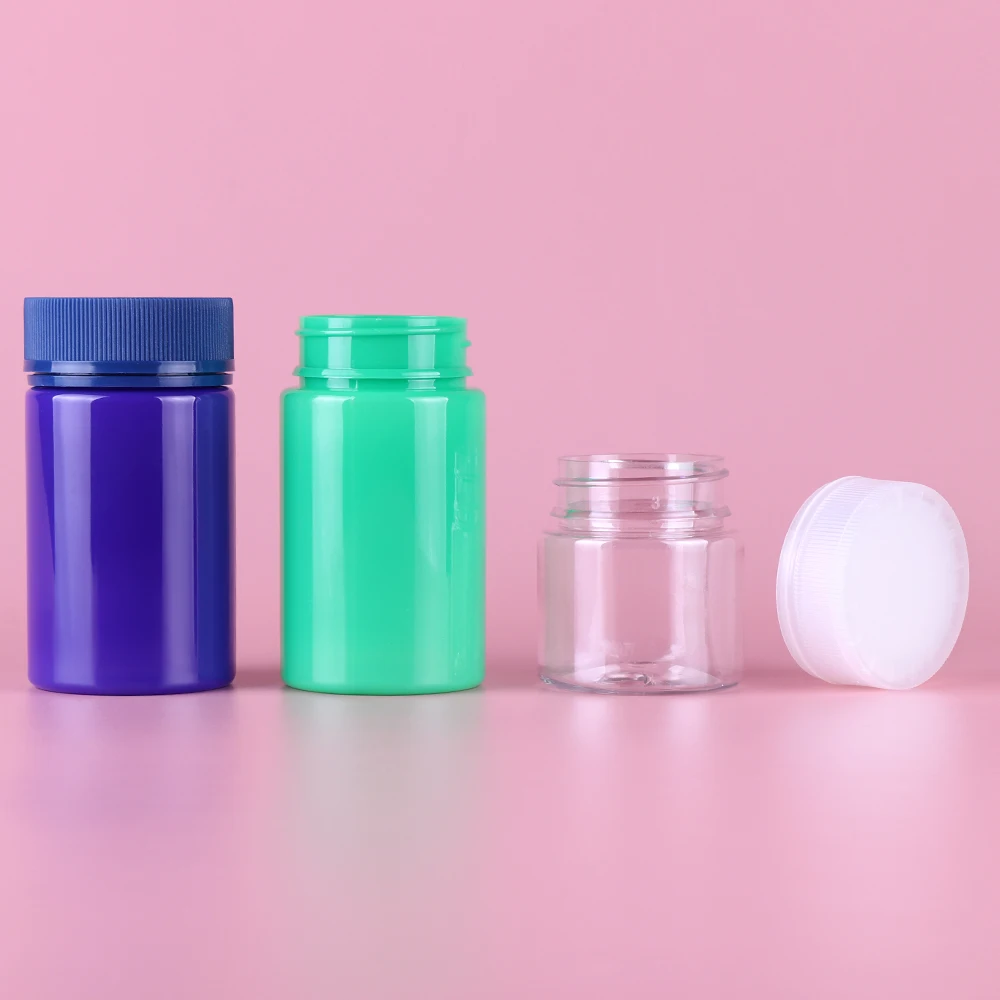
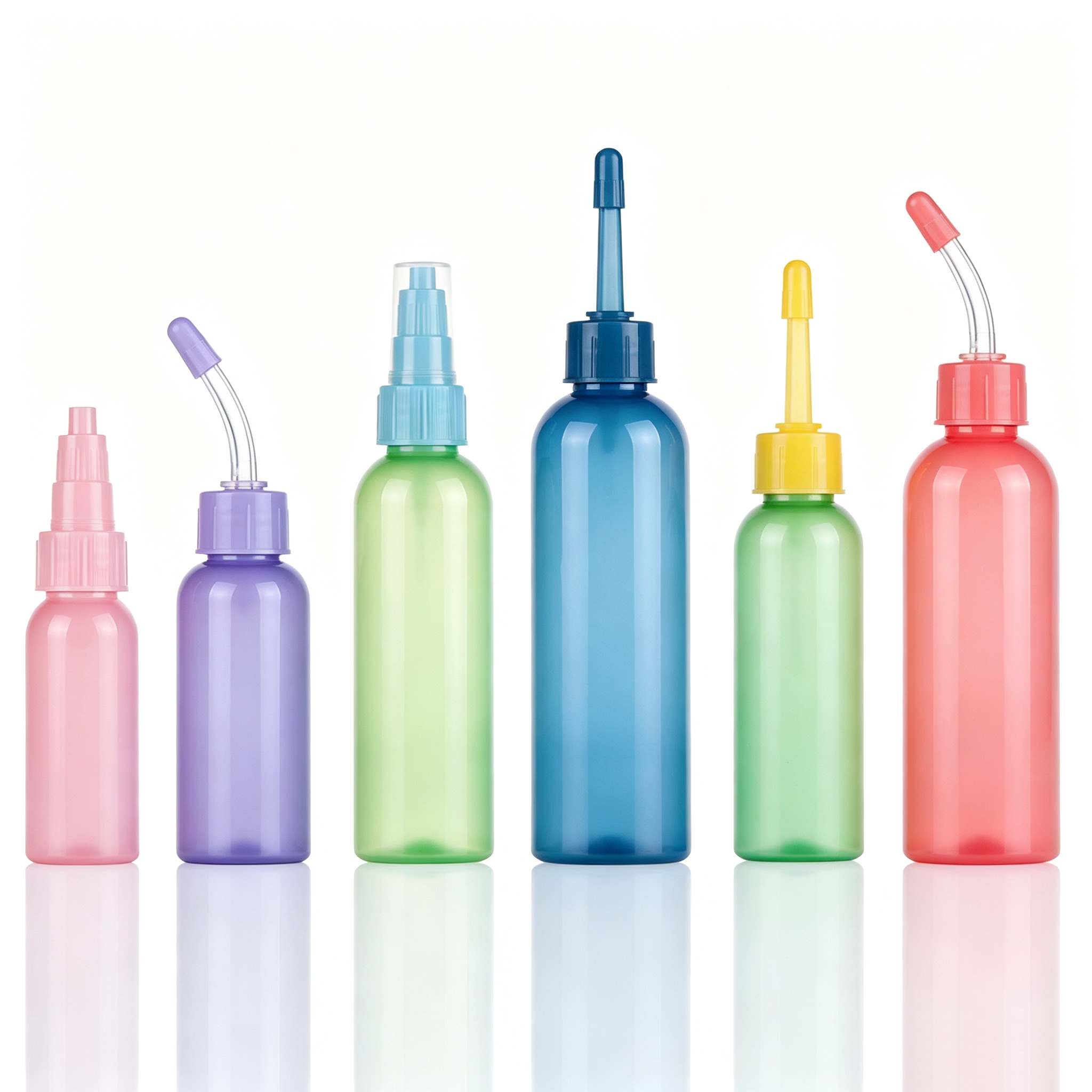
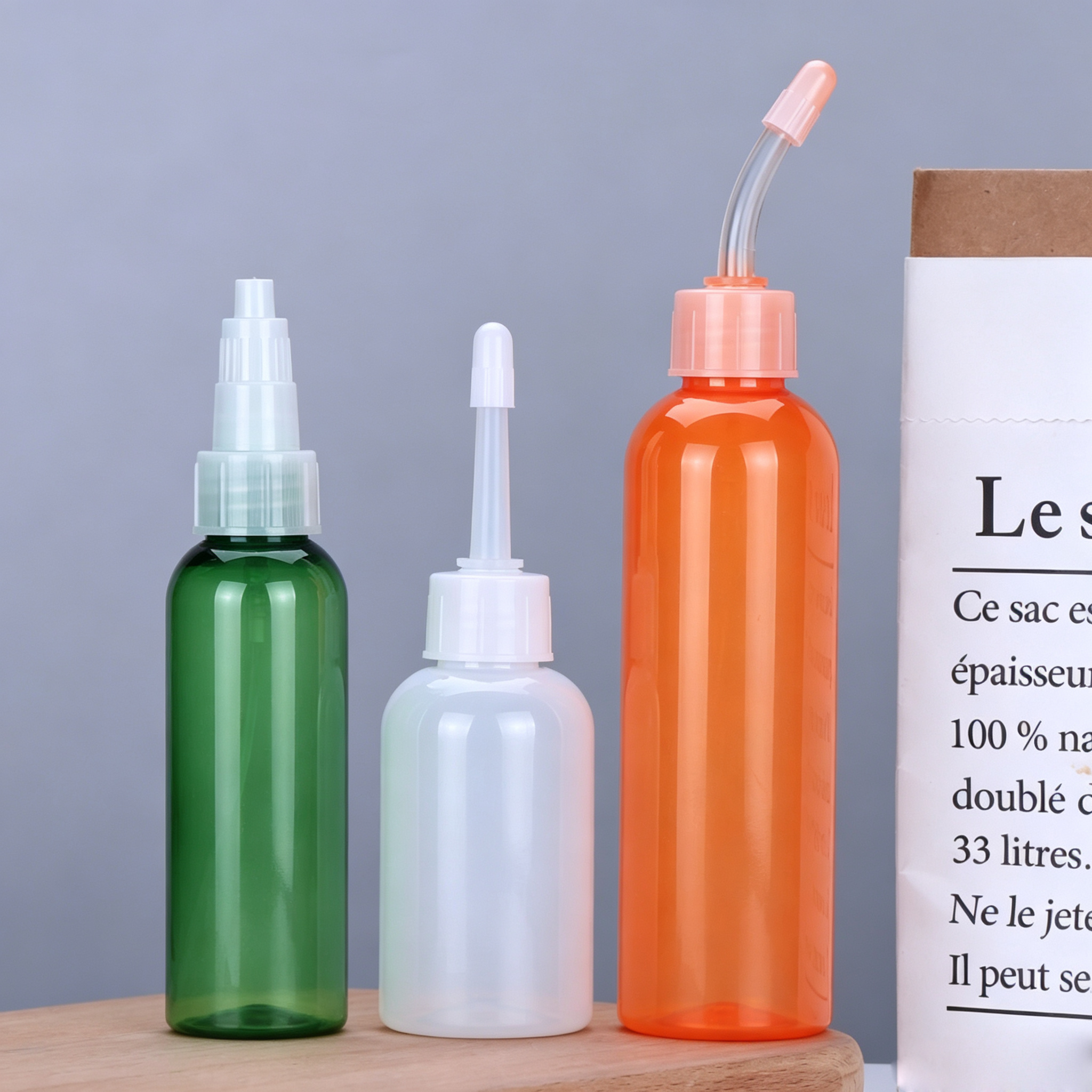
Applications for pet bottle blow molding extend across multiple industries, including beverage packaging, pharmaceutical containers, personal care products, and food preservation. The versatility of pet bottle blow molding enables manufacturers to create various bottle sizes, shapes, and designs while maintaining structural integrity and visual clarity. Industries worldwide depend on this technology to produce reliable, cost-effective packaging solutions that meet regulatory standards and consumer expectations for quality and safety.

 EN
EN