PET Plastic Products: Durable, Recyclable & Customizable Packaging Solutions

All Categories

Get a Free Quote

Our representative will contact you soon.
Email
Mobile/WhatsApp
Name
Company Name
Message
0/1000

pet plastic products

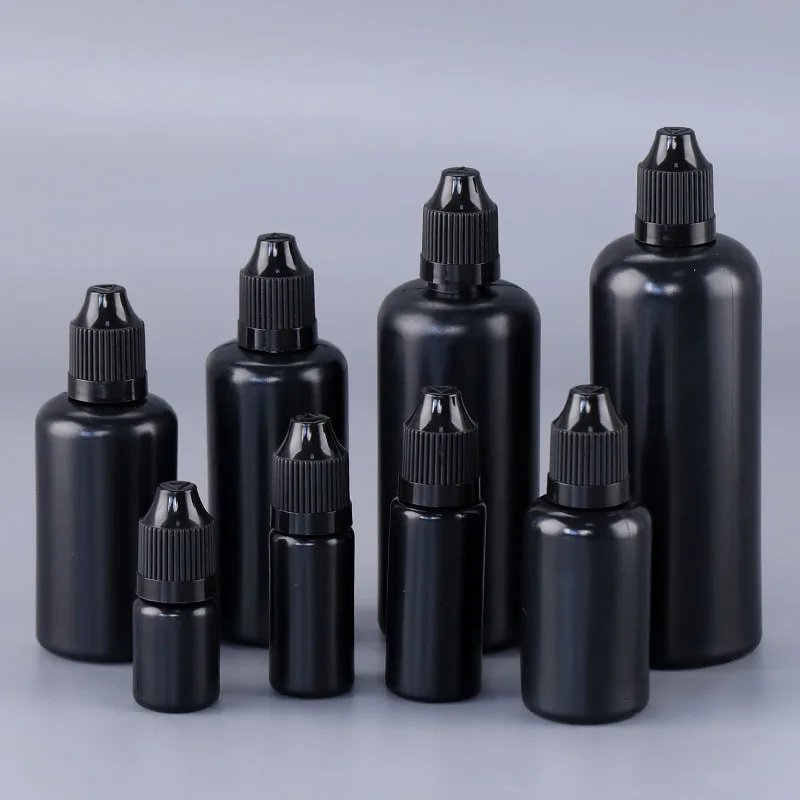
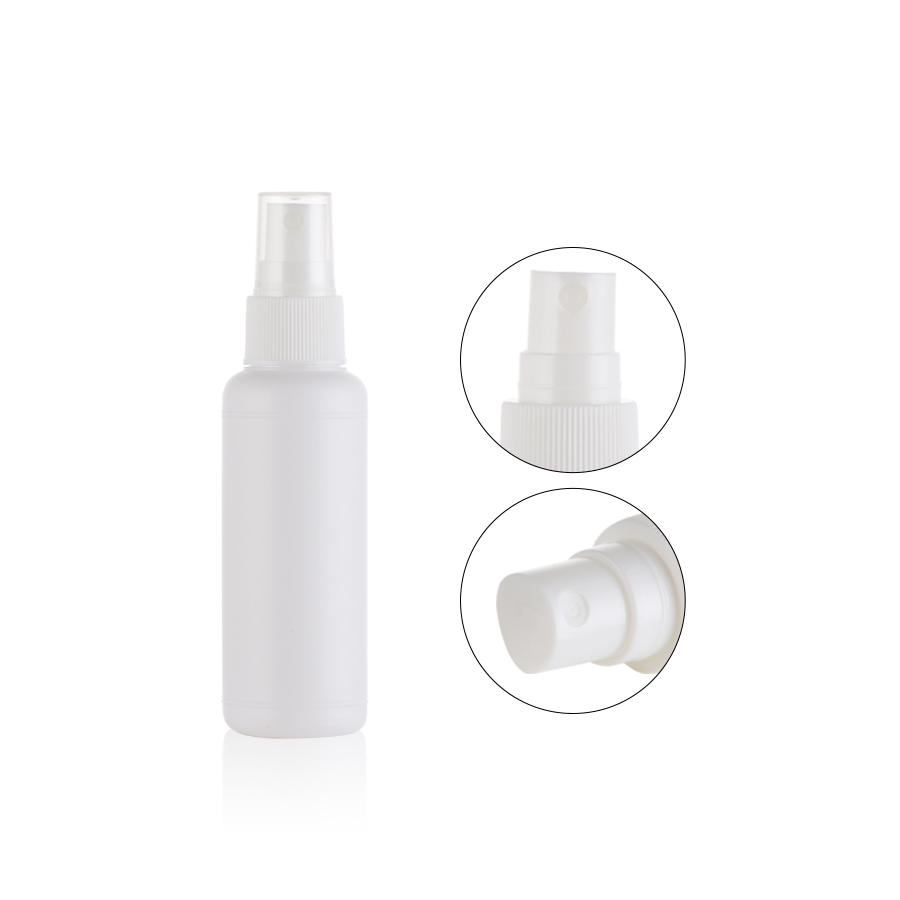
PET plastic products represent one of the most versatile and widely adopted material solutions in modern manufacturing and consumer goods industries. PET, which stands for Polyethylene Terephthalate, is a thermoplastic polymer resin belonging to the polyester family. PET plastic products are engineered to deliver exceptional performance across a broad spectrum of applications, from food and beverage packaging to textile fibers, medical devices, and industrial components. The core function of PET plastic products is to provide a lightweight, durable, and chemically resistant container or structural form that preserves the integrity of its contents while remaining cost-effective to produce at scale. From a technological standpoint, PET plastic products are manufactured through a process known as injection stretch blow molding, which allows producers to create containers with precise wall thickness, superior clarity, and outstanding mechanical strength. The molecular structure of PET enables it to form a highly effective barrier against oxygen, carbon dioxide, and moisture, making PET plastic products the preferred choice for carbonated beverages, bottled water, juices, condiments, and personal care items. Advanced grades of PET plastic products incorporate UV stabilizers, colorants, and impact modifiers that extend product life and enhance visual appeal. Recycled PET, commonly referred to as rPET, has become a cornerstone of sustainable packaging strategies, as PET plastic products can be collected, cleaned, and reprocessed into new bottles, fibers, and films with minimal loss of quality. In the textile sector, PET plastic products are transformed into polyester fibers used in clothing, upholstery, and industrial fabrics. In electronics, PET plastic products serve as insulating films and component housings. The medical industry relies on PET plastic products for sterile packaging and diagnostic equipment components. With global demand for lightweight, recyclable, and high-performance materials continuing to rise, PET plastic products stand at the forefront of material innovation, offering manufacturers and consumers alike a reliable, sustainable, and technologically advanced solution for virtually every packaging and structural need.

New Product Releases

PET plastic products deliver a range of practical benefits that make them the go-to choice for businesses and consumers across dozens of industries. Understanding these advantages helps buyers make smarter purchasing decisions and gives manufacturers a clear picture of why investing in PET plastic products pays off in the long run. First, PET plastic products are remarkably lightweight. Compared to glass or metal alternatives, PET plastic products weigh significantly less, which directly reduces shipping costs, lowers fuel consumption during transportation, and makes handling easier for workers and end users alike. A lighter package means lower logistics expenses without sacrificing protection or presentation. Second, PET plastic products offer outstanding durability. They resist impact, cracking, and shattering under normal use conditions, which means fewer damaged goods during transit and less product waste reaching the end customer. This toughness translates into real savings for distributors and retailers who deal with high-volume shipments. Third, PET plastic products provide excellent chemical resistance. They do not react with most foods, beverages, or personal care formulations, ensuring that the contents remain uncontaminated and safe for consumption or use. This makes PET plastic products a trusted material for regulatory compliance in food-grade and pharmaceutical packaging. Fourth, PET plastic products are fully recyclable. The recycling infrastructure for PET is one of the most developed in the world, meaning that used PET plastic products can be collected, sorted, and reprocessed into new packaging, polyester fibers, or industrial materials. Brands that use PET plastic products can credibly communicate their commitment to sustainability, which resonates strongly with today's environmentally conscious consumers. Fifth, PET plastic products offer superior optical clarity. Their glass-like transparency allows consumers to see the product inside, which builds trust, supports impulse purchasing, and reduces the need for elaborate secondary packaging. Sixth, PET plastic products are highly customizable. They can be molded into virtually any shape, size, or color, enabling brands to create distinctive packaging that stands out on crowded retail shelves. Custom finishes, embossing, and labeling options further expand design possibilities. Seventh, PET plastic products are cost-effective to produce. The raw material is widely available, the manufacturing process is efficient, and the tooling costs are manageable even for mid-sized production runs. This affordability makes PET plastic products accessible to startups and established enterprises alike. Eighth, PET plastic products maintain product freshness. Their barrier properties lock out oxygen and moisture, extending shelf life for food and beverage products and reducing spoilage rates. For brands competing on freshness and quality, this is a decisive advantage. Taken together, these benefits explain why PET plastic products continue to dominate global packaging markets and why demand for high-quality PET plastic products keeps growing year after year.

Practical Tips

Get a Free Quote

Our representative will contact you soon.
Email
Mobile/WhatsApp
Name
Company Name
Message
0/1000

pet plastic products

Unmatched Barrier Performance That Protects Product Quality

Unmatched Barrier Performance That Protects Product Quality

One of the most compelling reasons manufacturers and brand owners choose PET plastic products is their exceptional barrier performance. When you package a product, your primary obligation is to deliver it to the consumer in exactly the condition it left your facility. Oxygen ingress, moisture absorption, and carbon dioxide loss are the three biggest threats to product integrity in food, beverage, and personal care categories, and PET plastic products address all three with remarkable efficiency. The molecular architecture of PET creates a dense, semi-crystalline structure that physically impedes the passage of gas and vapor molecules. This means that carbonated drinks retain their fizz longer, fruit juices stay fresher without artificial preservatives, and personal care products maintain their formulation stability throughout their intended shelf life. For beverage producers, the CO2 retention capability of PET plastic products is particularly valuable. Carbonation loss not only affects taste but also signals to consumers that a product is stale or improperly sealed. PET plastic products maintain carbonation levels that meet or exceed industry standards, giving producers confidence that their product will perform consistently from the production line to the consumer's hand. For food manufacturers, the oxygen barrier provided by PET plastic products slows oxidation, which is the primary driver of rancidity, color degradation, and nutrient loss. By choosing PET plastic products with optimized barrier grades, food brands can extend shelf life, reduce preservative loads, and deliver a cleaner label product that appeals to health-conscious shoppers. The moisture barrier properties of PET plastic products are equally important for dry goods, powders, and hygroscopic formulations that would clump, degrade, or lose efficacy if exposed to ambient humidity. Pharmaceutical and nutraceutical companies rely on PET plastic products to maintain the potency and stability of their products from manufacturing through to patient use. Advanced multilayer and coated PET plastic products push barrier performance even further, incorporating EVOH layers or nano-composite coatings that achieve near-glass barrier levels while retaining all the weight and cost advantages of plastic. For brands that need to meet strict shelf-life targets without compromising on sustainability or cost, these enhanced PET plastic products represent the cutting edge of packaging technology. In summary, the barrier performance of PET plastic products is not just a technical specification. It is a direct driver of product quality, consumer satisfaction, and brand reputation.
Sustainable Design That Supports a Circular Economy

Sustainable Design That Supports a Circular Economy

Sustainability is no longer a marketing differentiator. It is a baseline expectation from consumers, retailers, and regulators worldwide. PET plastic products are uniquely positioned to meet this expectation because they are among the most recyclable packaging materials available at commercial scale today. The global recycling infrastructure for PET plastic products is mature, widespread, and continuously improving. In many markets, PET plastic products carry the highest collection and recycling rates of any packaging material, outperforming glass, aluminum, and other plastics in terms of the volume actually recovered and reprocessed. When PET plastic products are collected and recycled, they can be transformed into a wide range of valuable secondary materials. Recycled PET, or rPET, is used to manufacture new bottles, food-grade packaging, polyester clothing, carpet fibers, automotive parts, and construction materials. This closed-loop capability means that PET plastic products do not have to end their useful life in a landfill or incinerator. Instead, they re-enter the material economy as valuable inputs for new products, reducing the demand for virgin petroleum-based raw materials and lowering the overall carbon footprint of the packaging supply chain. Many leading consumer brands have committed to incorporating a minimum percentage of rPET into their PET plastic products, driven by both regulatory pressure and genuine consumer demand for greener packaging. These commitments are achievable precisely because the quality of recycled PET is high enough to meet food-contact safety standards when properly processed. This is a critical distinction. Not all recycled plastics can be safely used in food packaging, but rPET used in PET plastic products has a well-established safety profile recognized by regulatory bodies including the FDA and EFSA. Beyond recyclability, PET plastic products contribute to sustainability through their lightweight nature, which reduces the energy and emissions associated with transportation throughout the supply chain. Lightweighting initiatives in PET plastic products have progressively reduced the amount of material used per unit without compromising performance, further shrinking the environmental footprint of each package. For businesses building a credible sustainability story, choosing PET plastic products is a practical, evidence-based step that delivers measurable environmental benefits while maintaining the performance and cost efficiency that commercial operations require.
Design Flexibility That Drives Brand Differentiation

Design Flexibility That Drives Brand Differentiation

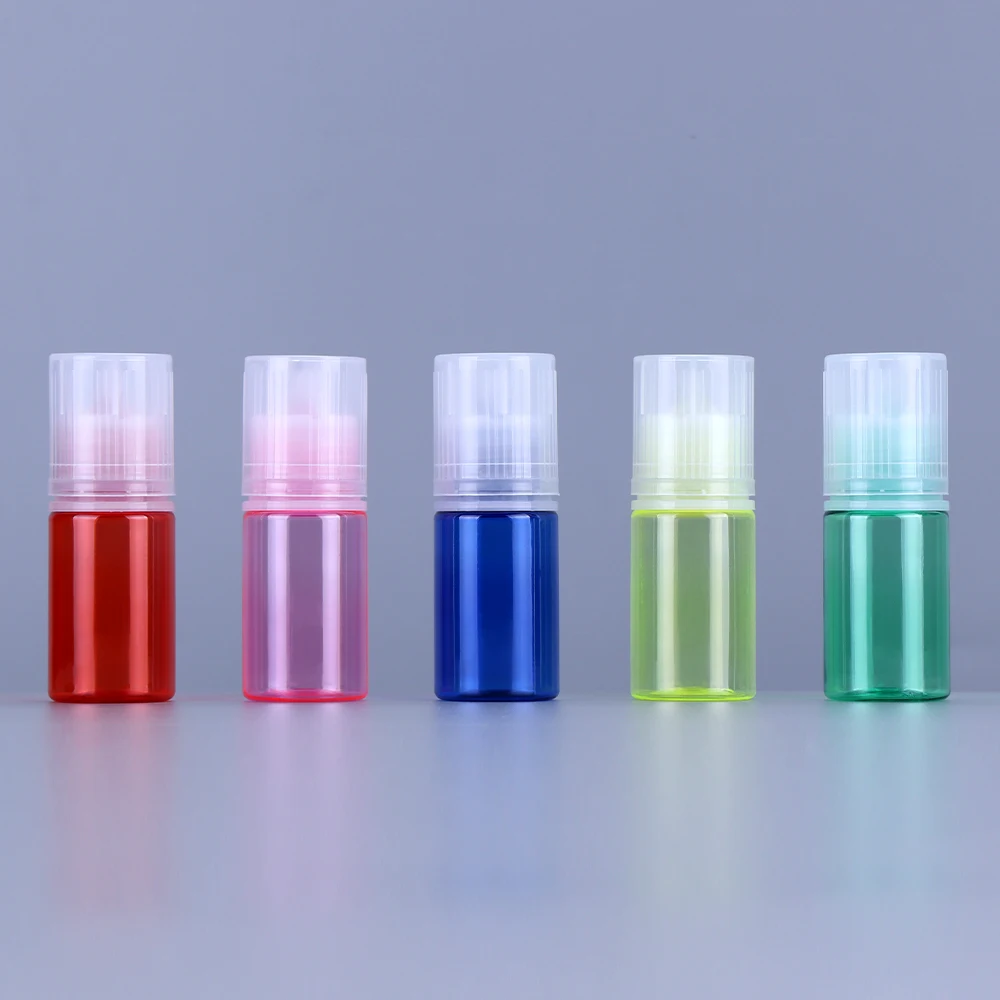
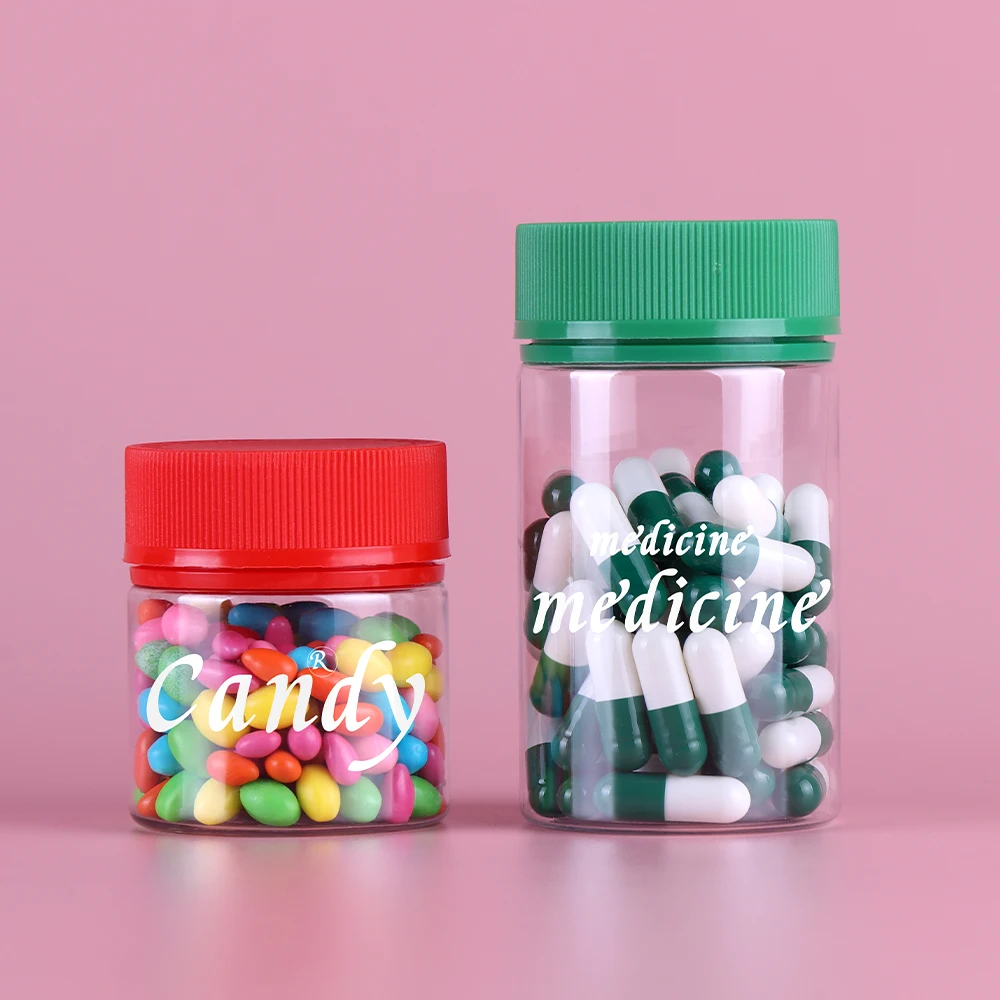
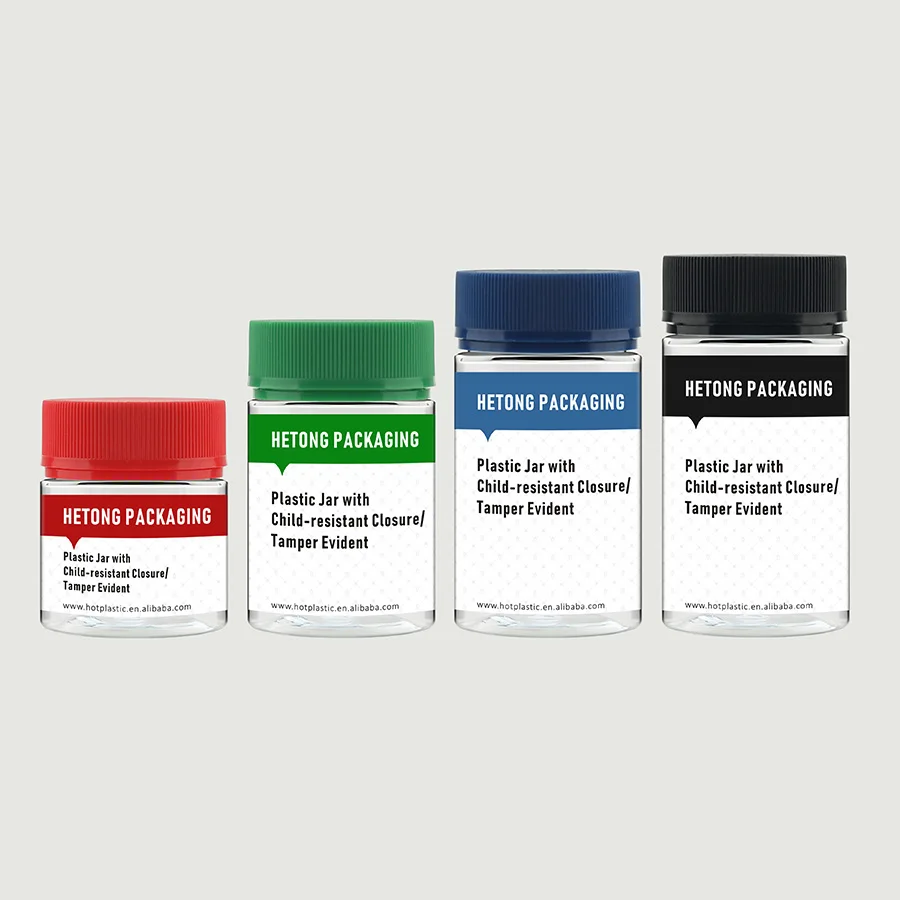
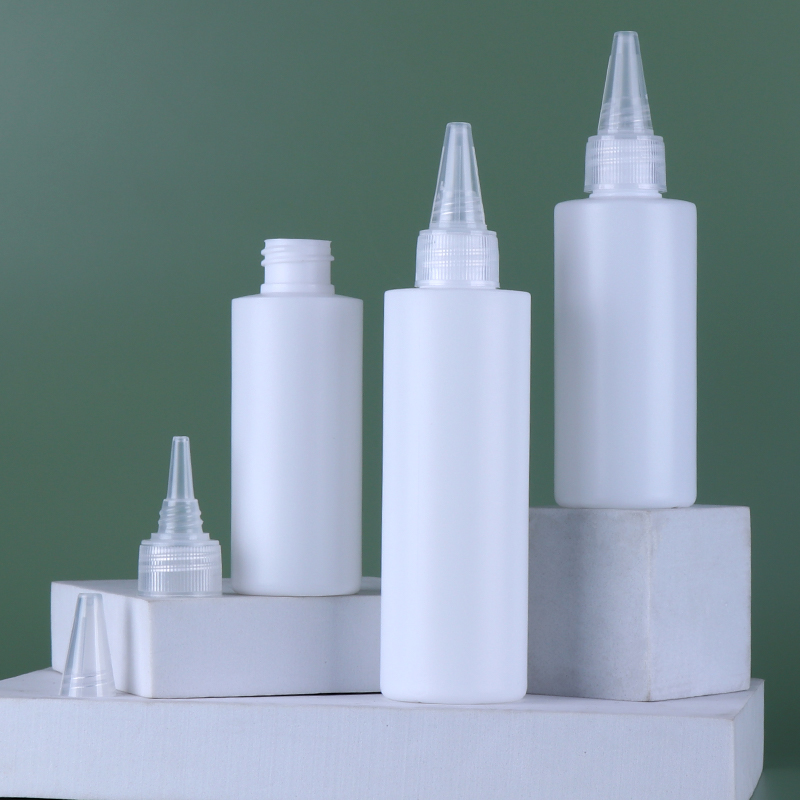
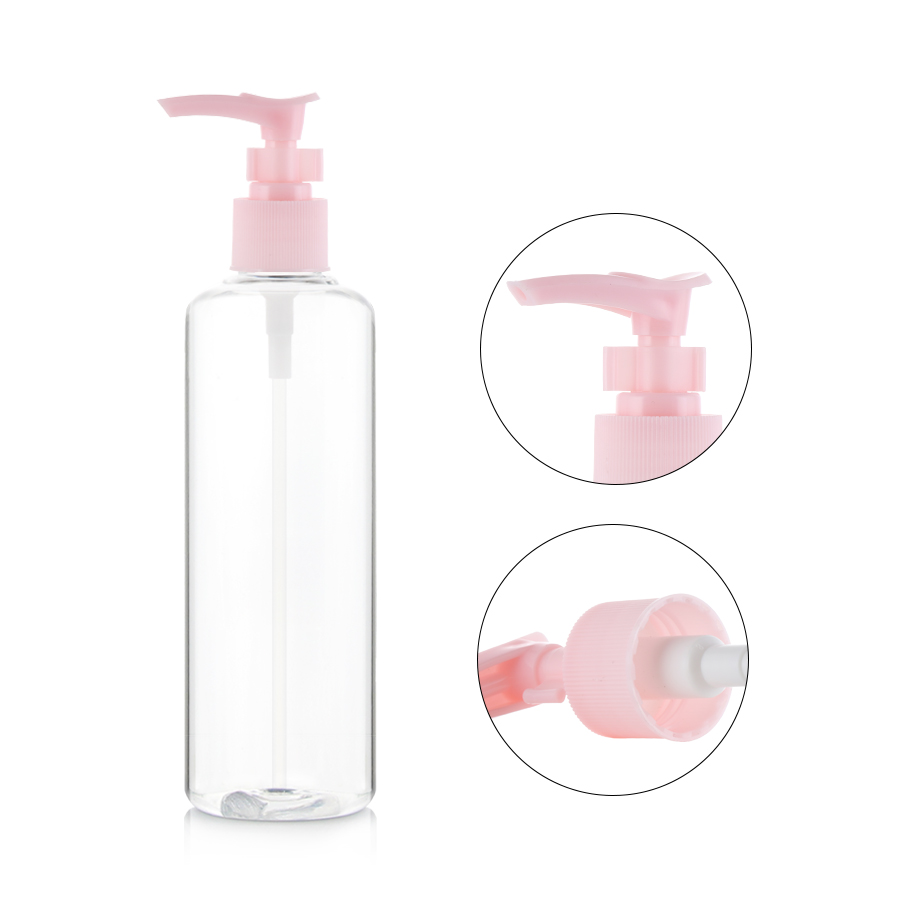
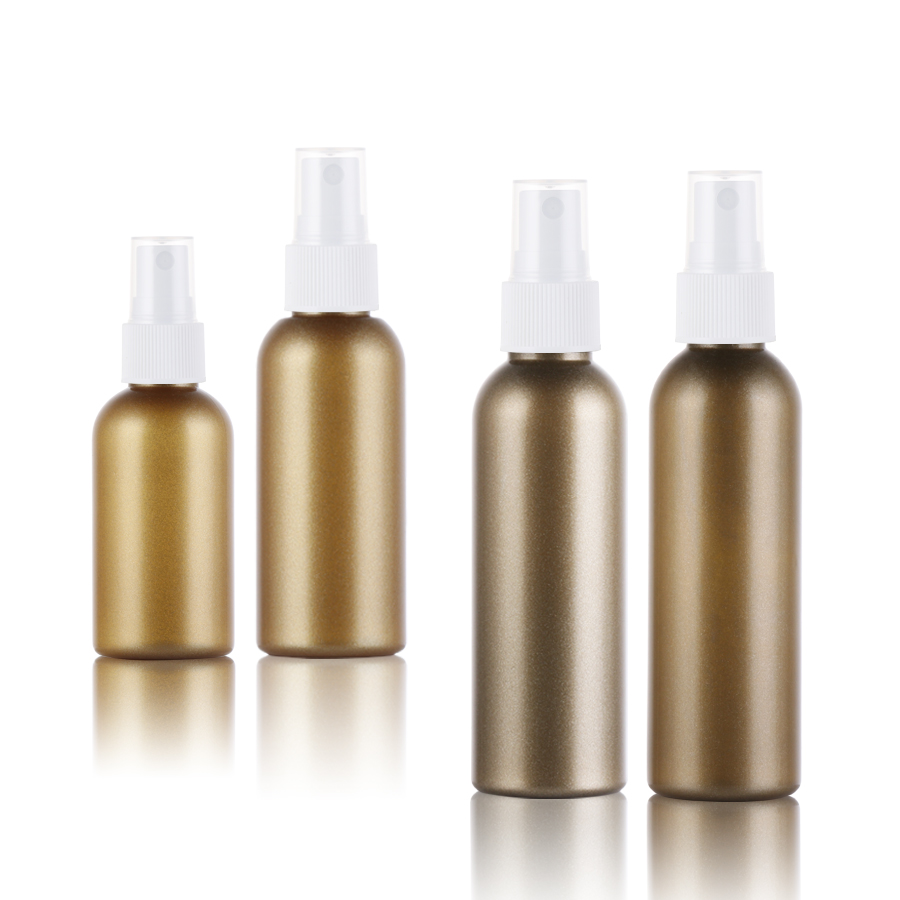
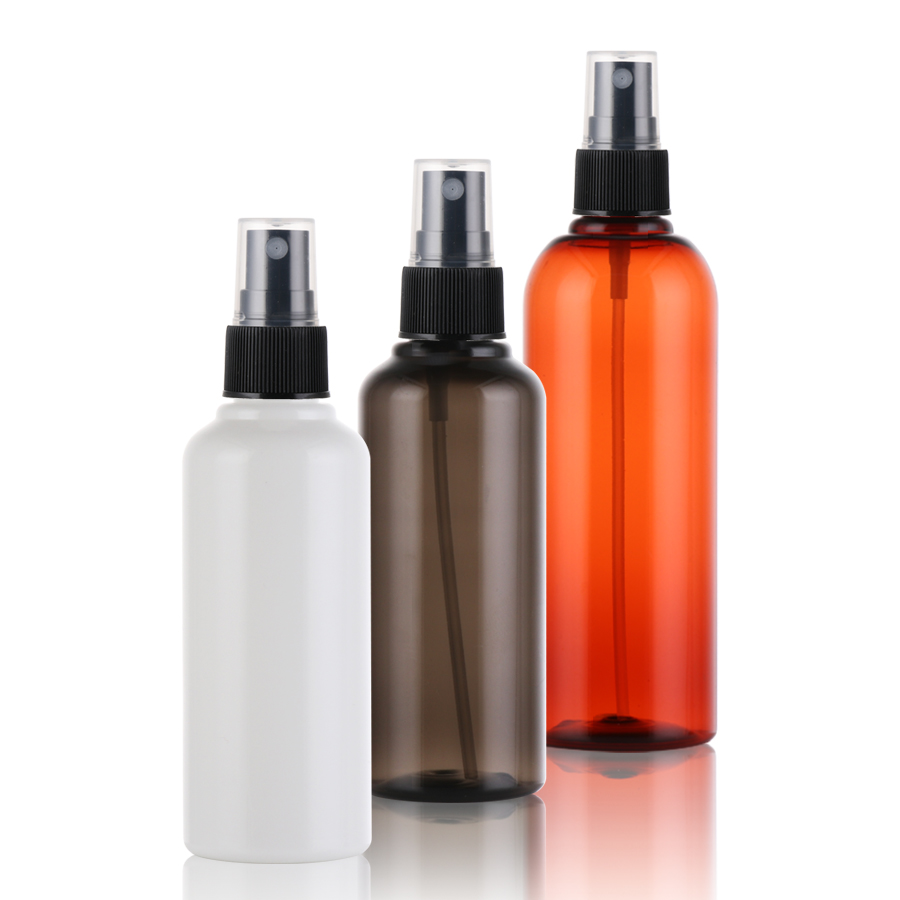
In a retail environment where consumers make purchasing decisions in seconds, packaging design is a powerful competitive tool. PET plastic products offer a level of design flexibility that few other materials can match, enabling brands to create packaging that is not only functional but also visually compelling and instantly recognizable. The thermoforming and blow molding processes used to manufacture PET plastic products allow designers to specify virtually any shape, from classic cylindrical bottles to complex ergonomic forms with integrated grip zones, tapered necks, and decorative surface textures. This geometric freedom means that a brand's packaging can be as distinctive as its logo, creating a three-dimensional brand asset that consumers recognize on the shelf and associate with quality and consistency. The optical clarity of PET plastic products is another major design asset. Unlike opaque materials, clear PET plastic products allow the product itself to become part of the visual presentation. A vibrant juice, a premium skincare serum, or a specialty condiment looks more appealing and more trustworthy when consumers can see exactly what they are buying. This transparency reduces the need for elaborate printed claims about color or texture because the product speaks for itself. PET plastic products also accept a wide range of decoration and labeling techniques. Pressure-sensitive labels, shrink sleeves, in-mold labels, and direct printing all adhere well to PET surfaces, giving brand managers maximum flexibility to update graphics, introduce limited editions, or localize packaging for different markets without retooling the container itself. Color options for PET plastic products are virtually unlimited. Transparent, tinted, opaque, pearlescent, and metallic finishes are all achievable, allowing brands to align their packaging palette with their visual identity guidelines precisely. For premium brands, the ability to achieve a glass-like aesthetic with the practical advantages of PET plastic products is particularly valuable, as it communicates quality without the weight, fragility, or cost of actual glass. Custom embossing and debossing on PET plastic products add tactile differentiation that reinforces premium positioning and makes packaging more memorable in the hands of the consumer. For businesses looking to launch new products, refresh existing lines, or enter new markets, the design flexibility of PET plastic products provides a fast, cost-effective path to packaging that performs beautifully and sells confidently.

Get a Free Quote

Our representative will contact you soon.
Email
Mobile/WhatsApp
Name
Company Name
Message
0/1000