
 EN
EN
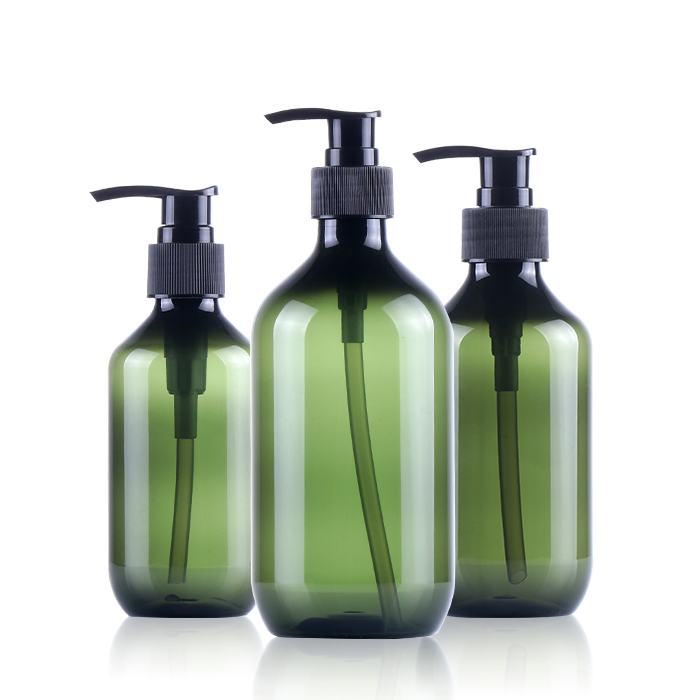
PET bottles have become a cornerstone of modern packaging logistics, revolutionizing how companies manage transportation and distribution across global supply chains. The lightweight nature of PET bottles combined with their durability creates a compelling case for businesses seeking to optimize their packaging operations. Understanding how PET bottles enhance transportation efficiency requires examining their physical properties, cost implications, and environmental benefits within the broader context of global supply chain management.
The integration of PET bottles into packaging supply chains represents a strategic decision that impacts multiple operational layers. From warehouse storage to final-mile delivery, PET bottles influence everything from transportation costs to handling efficiency. Companies that successfully implement PET bottles report measurable improvements in their logistics performance, reduced damage rates during transit, and enhanced product protection. This comprehensive guide explores the mechanisms through which PET bottles enhance transportation efficiency and how organizations can leverage these advantages in competitive global markets.
Weight Reduction and Transportation Cost Savings
How PET Bottles Lower Freight Expenses
One of the most immediate benefits of PET bottles is their remarkable weight advantage compared to traditional glass or metal containers. PET bottles weigh approximately one-third as much as equivalent glass containers, which directly translates to reduced freight costs across air, sea, and ground transportation networks. When companies switch to PET bottles, they can transport significantly more product using the same vehicle capacity or reduce fuel consumption when moving the same volume. This weight efficiency becomes exponentially valuable in international shipping scenarios where freight is charged by weight or volume, whichever is greater.
The cumulative effect of choosing PET bottles extends beyond individual shipments. A pharmaceutical distributor shipping pharmaceutical solutions in PET bottles might reduce annual transportation expenses by ten to fifteen percent simply through weight optimization. Similarly, cosmetic manufacturers utilizing PET bottles for liquid products experience measurable savings in carbon emissions per unit transported. These economics make PET bottles particularly attractive for businesses operating in margin-sensitive industries where transportation costs represent a substantial portion of total logistics expenses. Organizations implementing PET bottles often discover secondary benefits including reduced packaging material requirements and optimized pallet configurations.
Maximizing Payload Efficiency with PET Bottles
Beyond the direct weight advantage, PET bottles enable superior payload optimization throughout the supply chain. The stackability and uniform shape of PET bottles allow warehouse operators to arrange products more efficiently on pallets and in shipping containers. This geometric optimization means more units per pallet and more pallets per container, increasing the effective throughput of every transportation vehicle. Companies leveraging PET bottles report that their warehouses can achieve higher density storage configurations without compromising product safety or accessibility.
The dimensional consistency of PET bottles also simplifies logistics planning and reduces the complexity of load calculations. Warehouse management systems can predict exact space requirements and vehicle utilization rates with greater accuracy when dealing with standardized PET bottle dimensions. This predictability enables companies to consolidate shipments more effectively, reduce partial truck loads, and improve overall fleet utilization. Modern supply chain operations benefit tremendously from this standardization, as it reduces manual intervention and associated labor costs across distribution networks.
Durability and Damage Reduction During Transit
Superior Impact Resistance in PET Bottles
PET bottles demonstrate exceptional impact resistance compared to fragile alternatives, significantly reducing product loss and damage claims throughout the transportation journey. The material composition of PET bottles allows them to absorb and distribute impact forces more effectively than rigid containers, protecting contents during rough handling at distribution centers and during transit over challenging road networks. This resilience proves particularly valuable in emerging markets where transportation infrastructure may not meet developed-world standards. Companies shipping PET bottles report damage rates substantially lower than those experienced with glass or ceramic containers.
The practical implications of improved durability are substantial. Fewer damaged shipments mean fewer returns, reduced customer dissatisfaction, and lower overall supply chain friction. A beverage manufacturer distributing products through complex international channels might experience a five to seven percent reduction in damage-related losses simply by transitioning to PET bottles. These savings accumulate across multiple shipments and geographies, creating a compelling financial case for the switch. Additionally, the reduced breakage risk allows companies to handle PET bottles with less specialized equipment and fewer precautions, further reducing operational overhead.
Extended Product Shelf Life Protection
PET bottles offer superior protection against oxygen permeation and light exposure compared to many alternative materials, extending product shelf life during extended transit periods common in global supply chains. This protection is particularly critical for pharmaceutical solutions, vitamins, essential oils, and other products sensitive to environmental degradation. When shipping products across multiple time zones or through multiple distribution centers, the extended protection window provided by PET bottles becomes a competitive advantage. Products arriving at final destinations maintain their integrity and potency, reducing waste and ensuring customer satisfaction.
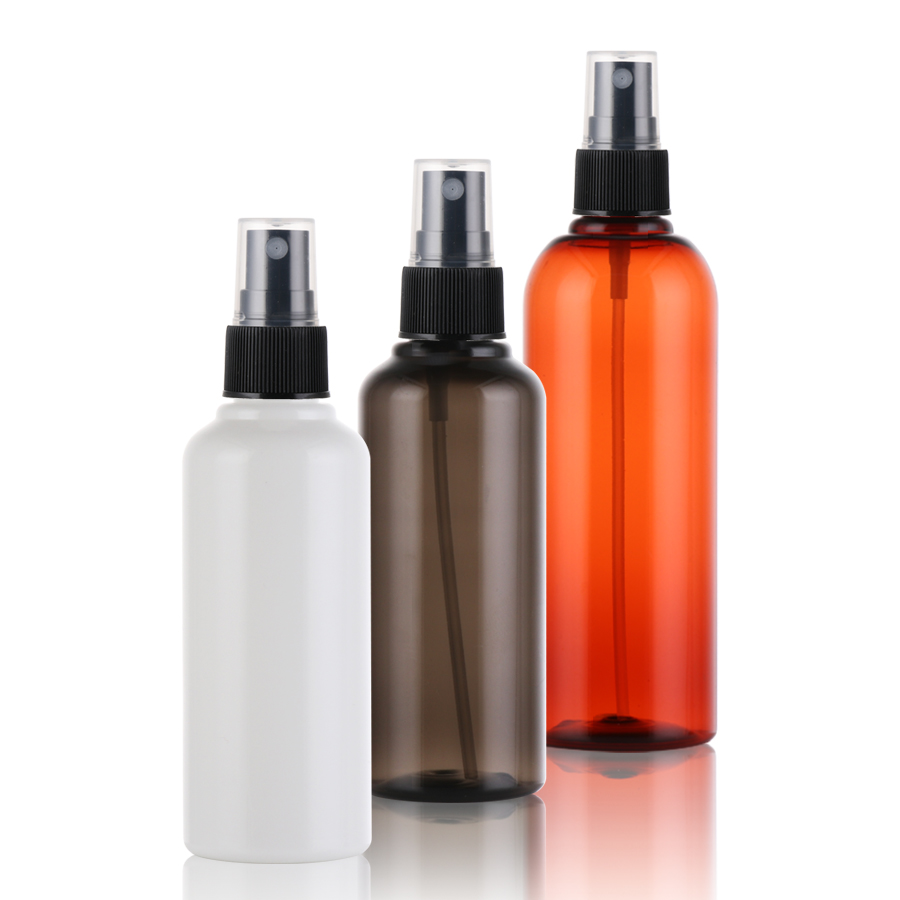
The enhanced protection characteristics of PET bottles reduce the need for expensive secondary packaging and protective measures. Companies can potentially eliminate additional padding materials or specialized containers when utilizing appropriate PET bottle specifications. This simplification of packaging strategy reduces costs while maintaining superior product protection. For temperature-sensitive shipments, PET bottles maintain consistent performance across typical transportation environments, eliminating complications associated with temperature fluctuations that might compromise other container types.
Supply Chain Scalability and Standardization
Global Standardization Benefits of PET Bottles
The widespread availability and standardized specifications of PET bottles create remarkable advantages for companies operating across multiple countries and regions. Unlike specialized containers that require different suppliers or modifications for different markets, PET bottles offer consistent specifications that simplify procurement, inventory management, and logistics planning worldwide. This standardization means companies can negotiate volume discounts across their entire global operation while maintaining identical packaging specifications. Procurement teams can work with fewer suppliers, reducing complexity and improving supply chain resilience.
When organizations use the same PET bottles across all distribution regions, warehouse operators require minimal training adaptation and logistics software requires fewer configuration variables. This operational simplification translates directly to lower administrative costs and fewer opportunities for errors. Additionally, standardized PET bottle specifications enable companies to implement automated handling systems more cost-effectively, further optimizing transportation and distribution efficiency across their network.
Flexibility for Future Scaling
PET bottles provide inherent flexibility for companies anticipating growth or market expansion in global supply chains. As market demands change or new geographic regions require servicing, the established relationships with PET bottle suppliers and the proven logistics infrastructure create a foundation for rapid scaling. Companies need not reinvent their packaging strategy or renegotiate complex supplier relationships when entering new markets or increasing production volume. This scalability advantage becomes increasingly valuable in industries experiencing rapid growth or market consolidation.
The versatility of PET bottle specifications means companies can adapt container sizes, closures, and features without requiring completely new logistics solutions. Whether scaling from domestic distribution to international export or increasing product line complexity, PET bottles accommodate these transitions smoothly. This adaptive capacity reduces implementation risks associated with major supply chain changes and enables companies to respond quickly to competitive threats or market opportunities. Organizations that master PET bottle utilization in their supply chains gain a sustainable competitive advantage through operational flexibility and responsiveness.
FAQ
How significantly do PET bottles reduce transportation costs in global supply chains?
PET bottles typically reduce transportation costs by ten to twenty percent depending on product type, shipping distance, and existing infrastructure. The weight advantage alone creates immediate savings, while optimization of payload efficiency through better stacking and container utilization generates additional benefits. Long-distance international shipments experience the greatest cost reductions because freight charges accumulate across extended distances.
What specific industries benefit most from PET bottles in supply chain operations?
Pharmaceutical, cosmetic, beverage, and nutraceutical industries see substantial benefits from PET bottles due to the combination of weight savings, durability requirements, and shelf life protection. These sectors often operate in global markets with complex distribution networks where transportation efficiency directly impacts profitability. Additionally, temperature-sensitive products benefit significantly from PET bottle protection properties.
Are there environmental advantages associated with using PET bottles in transportation?
Yes, PET bottles reduce carbon emissions per unit shipped due to weight efficiency and reduced fuel consumption during transportation. Additionally, PET bottles are recyclable, supporting circular economy objectives. Many companies utilizing PET bottles report lower overall environmental impact from their supply chain operations, particularly when factoring in reduced damage rates and associated product waste.