
 EN
EN
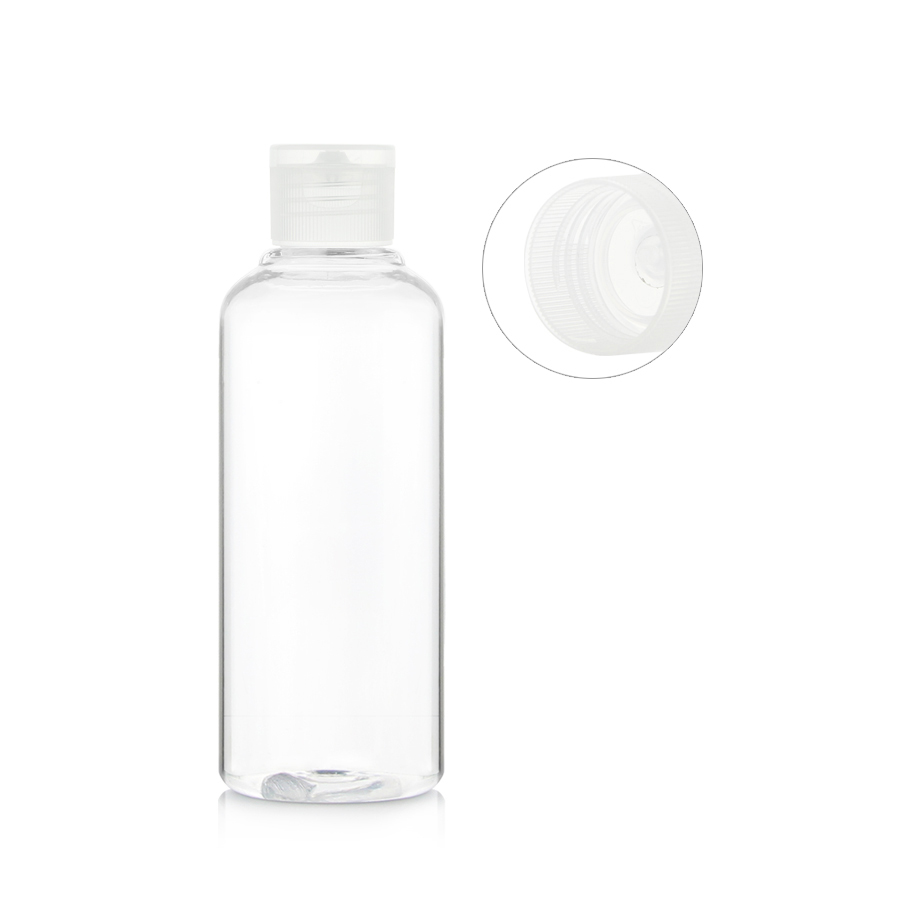
Pet bottles represent a critical component in modern automated filling production environments. Understanding how pet bottle performance in high-speed filling systems operates is essential for manufacturers seeking to optimize throughput, reduce downtime, and maintain product quality. The demands placed on pet bottles during high-speed filling differ significantly from standard packaging applications, requiring careful evaluation of material properties, structural integrity, and operational compatibility.
The performance of pet bottles in high-speed filling environments directly influences production efficiency and cost-effectiveness. When pet bottle performance in high-speed filling systems meets or exceeds operational requirements, facilities can maintain consistent cycle times, minimize product spillage, and reduce equipment strain. This article explores the multifaceted aspects of pet bottle behavior during automated filling processes, examining material characteristics, mechanical stresses, and practical solutions for maximizing reliability.
Material Properties and Structural Integrity
Polymer Characteristics Impact on Filling Speed
Pet bottle performance in high-speed filling systems depends heavily on the inherent properties of polyethylene terephthalate resin. The crystallinity level, molecular weight distribution, and thermal history of the plastic material determine how well bottles withstand rapid fill rates and pressure variations. High-quality pet bottle performance in high-speed filling systems requires resin that maintains dimensional stability even when subjected to repeated mechanical impacts from filling nozzles and conveyor systems. The wall thickness uniformity achieved during the injection molding or blow-molding process critically affects whether pet bottle performance in high-speed filling systems remains consistent across an entire production run.
Stress Points and Deformation Prevention
During high-speed operations, pet bottles experience concentrated stress at specific zones including the neck finish, shoulder region, and bottom base. Pet bottle performance in high-speed filling systems deteriorates if these stress concentrations exceed the material's yield strength. The design geometry of the container influences stress distribution; bottles with properly engineered radius transitions demonstrate superior pet bottle performance in high-speed filling systems compared to those with sharp corners. Manufacturing defects such as internal stress concentrations or wall thickness variations can compromise pet bottle performance in high-speed filling systems, leading to unexpected failures during production runs.
Filling System Compatibility and Operational Dynamics
Nozzle Engagement and Fill Tube Interaction
Pet bottle performance in high-speed filling systems involves precise interaction between the fill nozzle and the bottle opening. The neck diameter, thread design, and cap interface must accommodate rapid engagement and disengagement cycles without generating excessive stress. When pet bottle performance in high-speed filling systems is optimized for nozzle compatibility, filling heads can position accurately and maintain consistent contact pressure. Poorly designed neck geometry can cause misalignment issues that degrade pet bottle performance in high-speed filling systems, resulting in spills, misdirected flow, and mechanical damage to the container walls.
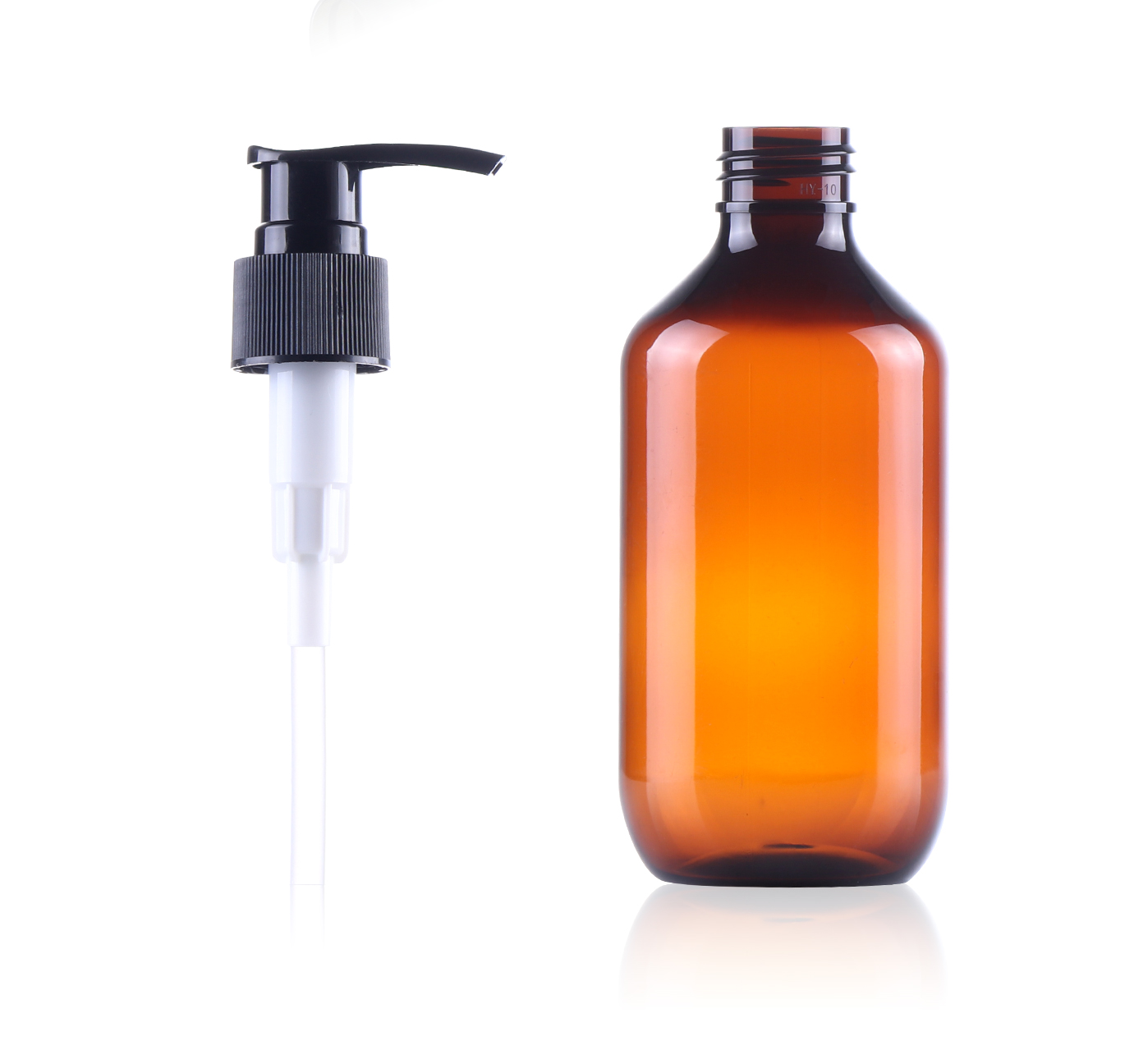
Pressure Management and Thermal Effects
High-speed filling introduces both hydrostatic pressure and thermal stress to pet bottles. Pet bottle performance in high-speed filling systems requires materials that resist softening when exposed to liquids at elevated temperatures, particularly for hot-fill applications. The internal pressure generated during rapid liquid injection can reach levels that test the limits of pet bottle performance in high-speed filling systems. Thermal expansion coefficients of the plastic material and the filling liquid must remain compatible to prevent seal failures or container deformation that would indicate inadequate pet bottle performance in high-speed filling systems.
Production Optimization and Performance Enhancement
Throughput Considerations and Cycle Time Requirements
Manufacturers operating at speeds exceeding 300 bottles per minute must ensure that pet bottle performance in high-speed filling systems remains reliable under sustained production conditions. Bottle design modifications, including optimized wall thickness profiles and reinforced structural zones, directly enhance pet bottle performance in high-speed filling systems. The relationship between fill rate and container stability becomes critical; when pet bottle performance in high-speed filling systems is properly engineered, bottles can accommodate faster liquid entry without requiring system speed reductions. Regular monitoring of fill accuracy, container integrity, and equipment wear patterns reveals whether pet bottle performance in high-speed filling systems is meeting production targets or degrading over time.
Quality Control and Defect Detection
Consistent pet bottle performance in high-speed filling systems requires systematic quality control protocols. Incoming inspection procedures must verify that each batch of pet bottles meets dimensional specifications critical to high-speed operations. Testing methodologies such as pressure decay testing, drop impact evaluation, and dimensional consistency checks validate that pet bottle performance in high-speed filling systems will not compromise production continuity. Automated vision systems can detect wall thickness variations, stress concentrations, and defects that would indicate suboptimal pet bottle performance in high-speed filling systems before containers enter the filling line.
FAQ
What factors most significantly impact pet bottle performance in high-speed filling systems?
The most critical factors affecting pet bottle performance in high-speed filling systems include resin quality and molecular weight, wall thickness uniformity, neck finish design, and thermal properties of the plastic material. Environmental conditions such as ambient temperature and humidity during storage also influence how well pet bottles perform under high-speed filling stress. Equipment settings including fill pressure, nozzle engagement speed, and conveyor velocity directly interact with bottle design characteristics to determine overall pet bottle performance in high-speed filling systems.
How can manufacturers test whether pet bottles will perform adequately in their specific filling systems?
Manufacturers can conduct bench-top simulations of filling conditions using sample bottles before full production implementation. Pressure testing equipment can measure how much stress pet bottles can withstand without deformation or failure, directly correlating to expected pet bottle performance in high-speed filling systems. Trial runs at actual line speeds provide real-world validation of pet bottle performance in high-speed filling systems. Dynamic testing that simulates repeated fill cycles offers insights into long-term durability and potential failure modes under continuous operation.
What design modifications enhance pet bottle performance in high-speed filling systems?
Strategic wall thickness increases in high-stress zones such as the shoulder and base regions strengthen pet bottle performance in high-speed filling systems. Improved radius transitions between the neck and shoulder minimize stress concentration points that could compromise structural integrity. Enhanced neck finish designs with optimized thread profiles and tighter dimensional tolerances support reliable nozzle engagement and superior pet bottle performance in high-speed filling systems. Some manufacturers incorporate reinforcement ribs or textured surfaces that increase rigidity without significantly increasing plastic material costs, thereby improving overall pet bottle performance in high-speed filling systems.