 EN
EN
Præcisionskonstruktion og avanceret produktionsteknologi
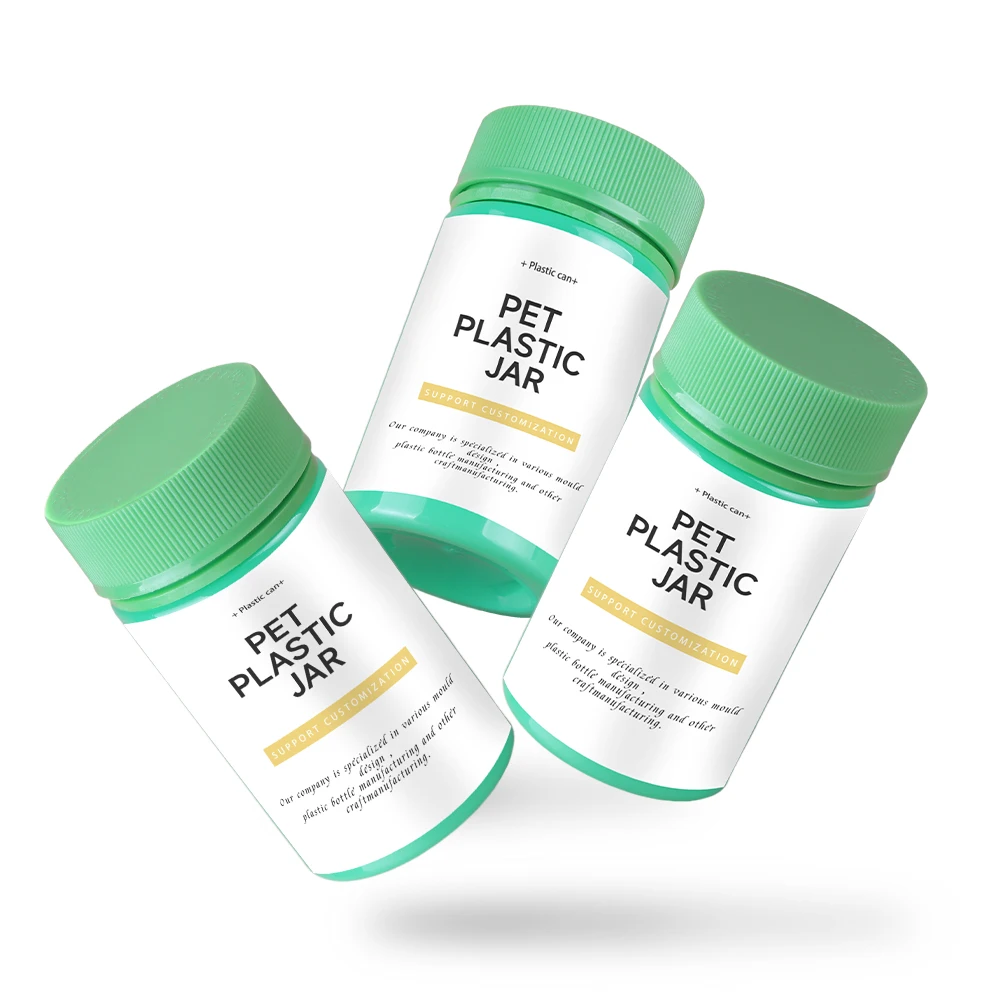
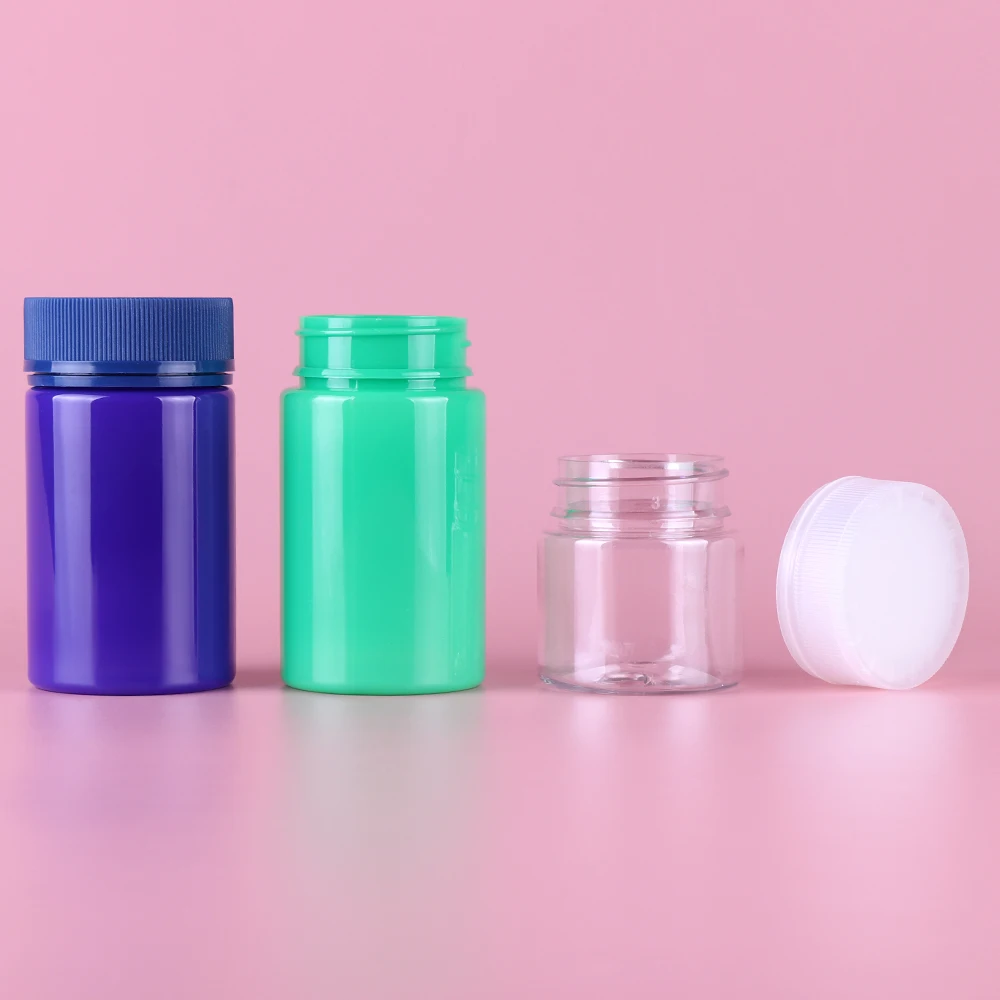
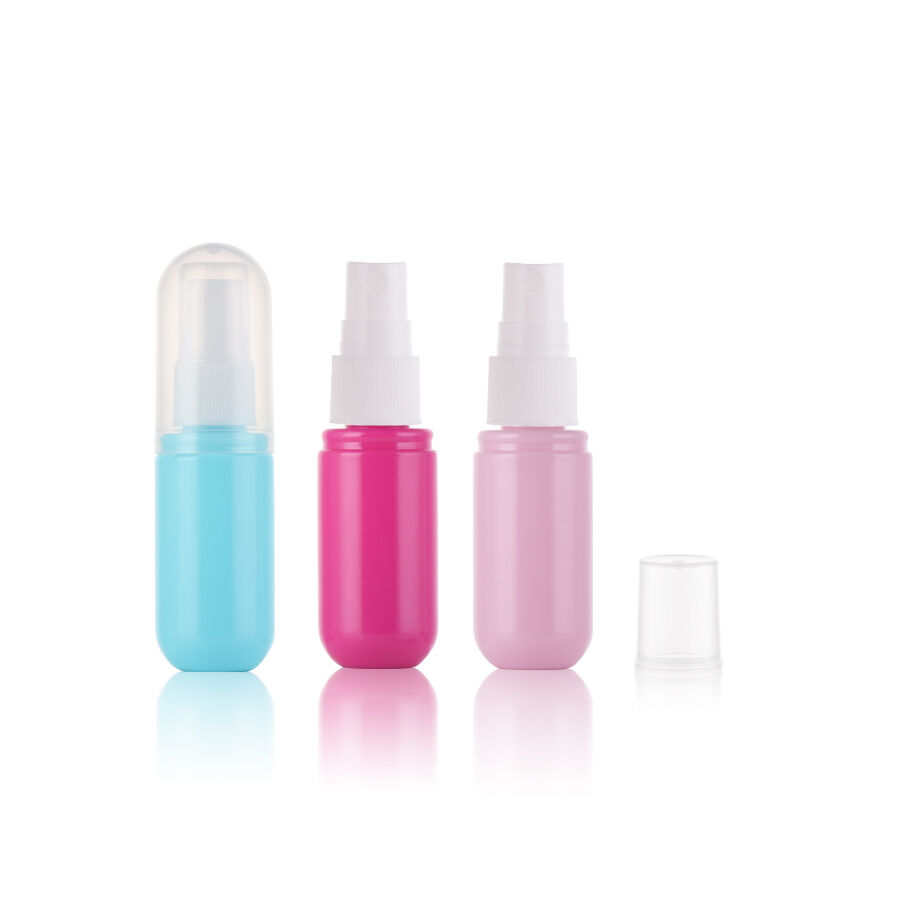
En af de vigtigste ting, der adskiller en højtydende producent af PET-plastikkaraffiner fra en grundlæggende leverandør, er præcisionsteknikken, der indgår i hver produktionsfase. Når du køber karaffiner fra en producent, der seriøst investerer i teknologi, køber du ikke blot en beholder – du køber resultatet af sofistikeret formdesign, nøje kontrollerede procesparametre og løbende kvalitetsverifikation, som tilsammen sikrer en karaffin, der opfylder de mest krævende ydelseskrav. Fremstillingsprocessen starter med formdesign, hvor software til computerstøttet design anvendes til at modellere hver kurve, gevind og vægsektion af karaffinen, inden der forarbejdes et enkelt gram harpiks. Denne digitale prototyppetid giver ingeniører mulighed for at simulere, hvordan karaffinen vil opføre sig under tryk, hvordan den vil interagere med lukkesystemer og hvordan den vil fungere på højhastighedsfyldelinjer. At opdage designproblemer i denne fase undgår dyre revisioner af værktøjer senere og sikrer, at det endelige produkt fungerer præcis som tiltænkt. Når formerne er fremstillet, bygger produktionsprocessen enten på strekblæsningsformning eller injektionsformning, afhængigt af karaffinens specifikationer. Disse processer styres af programmerbare logikstyringer, der overvåger temperatur, tryk og cykeltid i realtid. Enhver afvigelse fra de indstillede parametre udløser enten en automatisk justering eller markerer partiet til inspektion. Denne proceskontrol er, hvad der gør det muligt for en producent af PET-plastikkaraffiner at opretholde dimensionelle tolerancer målt i brøkdele af en millimeter over millioner af produktionscyklusser. Kvalitetssikring stopper ikke ved maskinen. Færdige karaffiner gennemgår automatiserede visioninspektionssystemer, der tjekker for overfladedefekter, variationer i vægtykkelse og dimensionel nøjagtighed. Kun karaffiner, der består alle kontrolpunkter, fortsætter i forsyningskæden. For kunder betyder dette færre produktionsstop, færre forkastede partier og en emballagekomponent, de kan stole på. Den praktiske værdi af denne præcision føles igennem hele din virksomhed – fra indkøb til endelig forbruger.