PET Bottle Material: Lightweight, Recyclable and High-Performance Packaging Solution

All Categories

Get a Free Quote

Our representative will contact you soon.
Email
Mobile/WhatsApp
Name
Company Name
Message
0/1000

pet bottle material

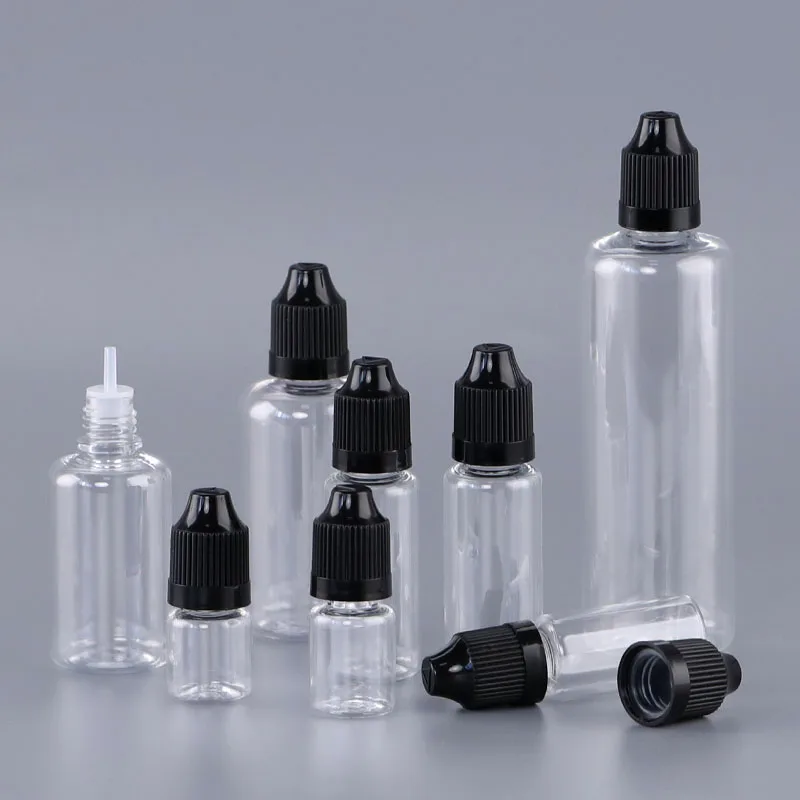
PET bottle material, short for polyethylene terephthalate, is one of the most widely used thermoplastic polymers in the world today. As a pet bottle material, it serves as the backbone of modern packaging across a broad range of industries, from food and beverage to personal care, pharmaceuticals, and household chemicals. Its unique molecular structure gives it a remarkable combination of strength, clarity, and chemical resistance that few other materials can match. The primary function of pet bottle material is to safely contain and preserve liquid and solid products while maintaining product integrity from the point of manufacture all the way to the end consumer. It acts as a reliable barrier against moisture, oxygen, and contaminants, which is critical for extending shelf life and ensuring product safety. From a technological standpoint, pet bottle material is produced through a process called injection stretch blow molding, which allows manufacturers to create bottles of virtually any shape, size, or wall thickness with exceptional dimensional accuracy. The material can be engineered to meet specific performance requirements, including enhanced barrier properties through multilayer co-extrusion or the addition of oxygen scavengers. One of the most significant technological features of pet bottle material is its recyclability. It is classified under resin identification code 1, making it one of the most recycled plastics globally. Advanced recycling technologies now allow pet bottle material to be converted back into food-grade resin, supporting a true circular economy model. In terms of applications, pet bottle material is used to produce containers for carbonated soft drinks, water, juices, edible oils, condiments, detergents, shampoos, and a wide variety of other consumer goods. Its versatility, combined with its lightweight nature and cost efficiency, makes pet bottle material the preferred choice for packaging engineers and brand owners who demand both performance and sustainability in their packaging solutions.

New Product Recommendations

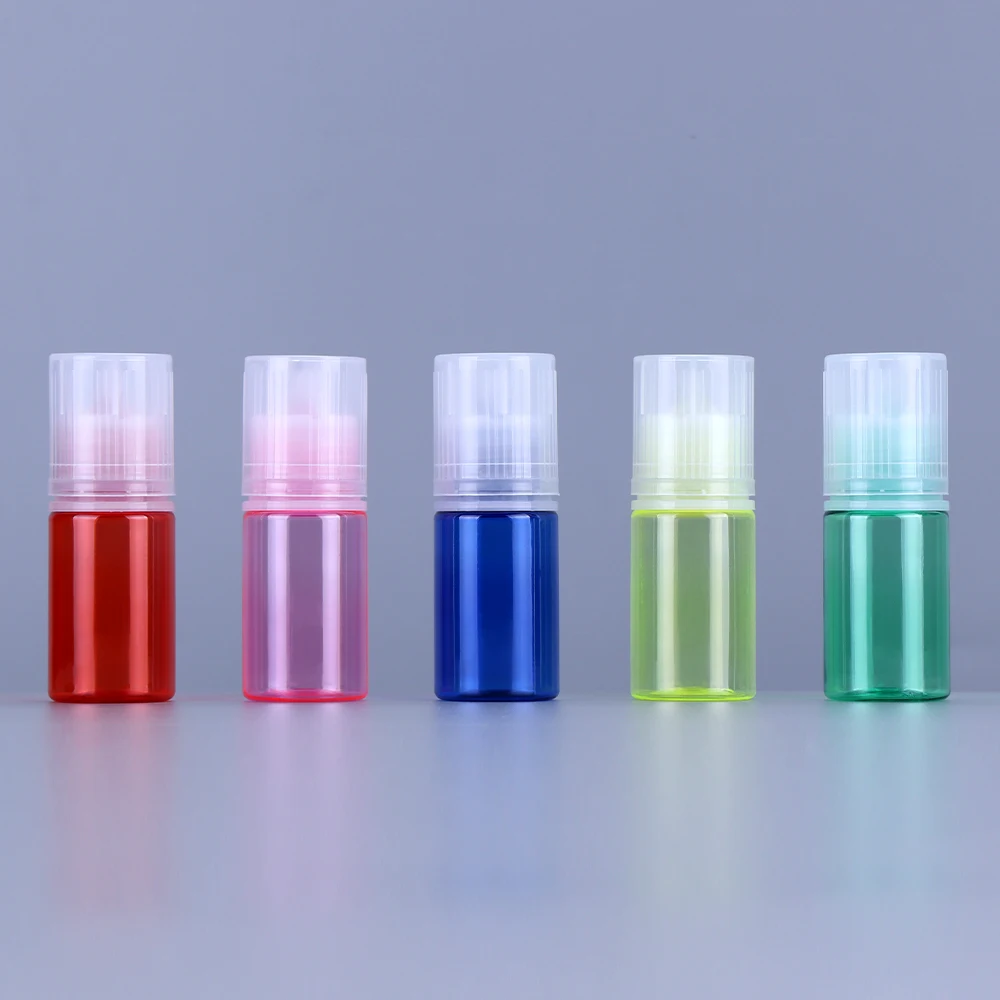
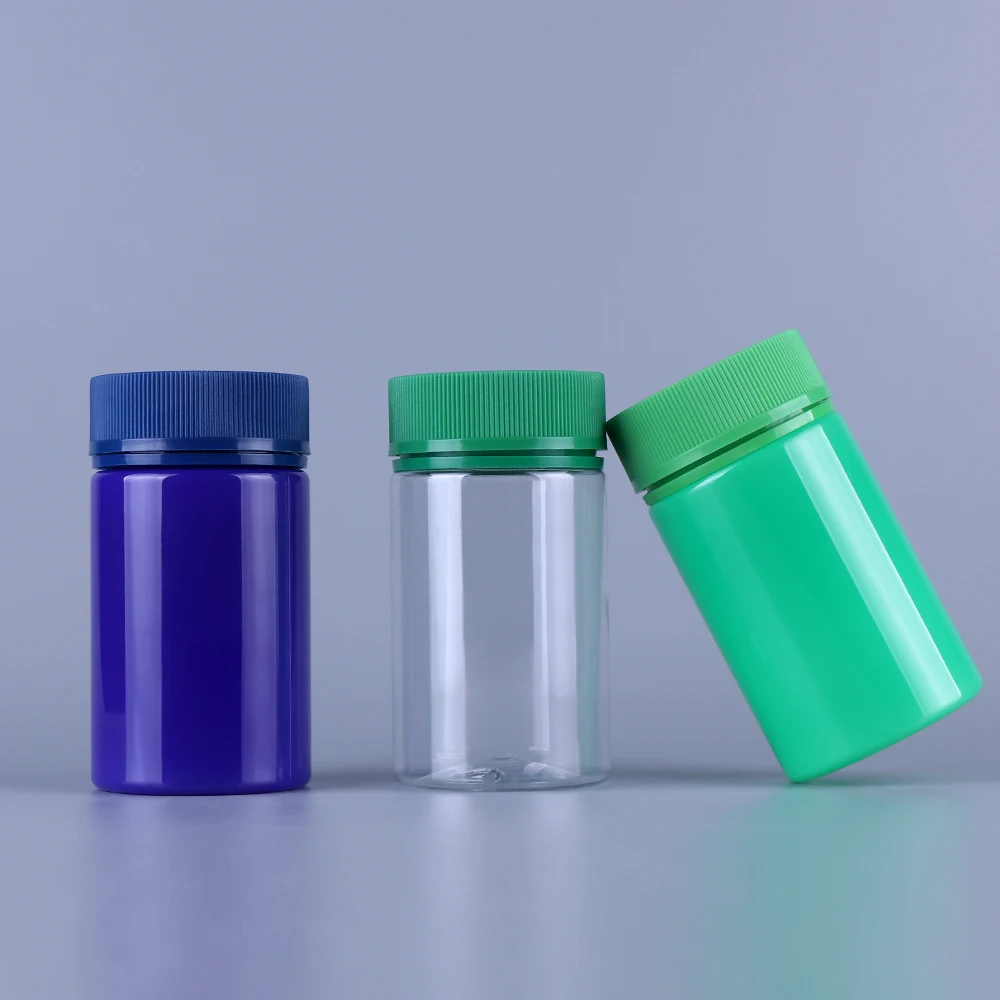
When you choose pet bottle material for your packaging needs, you are making a practical decision that delivers real, measurable benefits at every stage of your supply chain. Here is a straightforward look at why pet bottle material stands out from the competition and why it continues to be the go-to choice for businesses around the world. First, pet bottle material is incredibly lightweight. Compared to glass and many other rigid packaging options, bottles made from pet bottle material weigh significantly less. This directly reduces your shipping costs, lowers your carbon footprint during transportation, and makes your products easier for consumers to handle and carry. For high-volume operations, the weight savings add up quickly and translate into meaningful cost reductions over time. Second, pet bottle material offers outstanding clarity. Bottles produced from this material are crystal clear, giving consumers a full, unobstructed view of the product inside. This transparency builds consumer trust and enhances shelf appeal, which can directly influence purchasing decisions. Whether you are packaging a premium juice, a specialty water, or a high-end personal care product, the visual quality that pet bottle material delivers is hard to beat. Third, pet bottle material is tough and impact resistant. Unlike glass, it does not shatter when dropped, which reduces product loss, minimizes safety hazards in retail environments, and cuts down on damage claims during shipping and handling. This durability makes pet bottle material a safer and more economical choice for both retailers and consumers. Fourth, pet bottle material provides excellent chemical resistance. It does not react with a wide range of food-grade liquids, acids, and bases, which means your product stays pure and uncontaminated from the moment it is filled to the moment it is opened. This is especially important for food, beverage, and pharmaceutical applications where product integrity is non-negotiable. Fifth, pet bottle material is fully recyclable and increasingly made from recycled content. Consumers and regulators alike are demanding more sustainable packaging, and pet bottle material answers that call directly. Its established recycling infrastructure means that used bottles can be collected, processed, and turned into new packaging or other products, reducing waste and supporting your brand's sustainability commitments. Sixth, pet bottle material is cost effective to produce and fill. Its compatibility with high-speed filling lines, automated capping systems, and standard labeling equipment means you can run efficient, high-output production without costly modifications to your existing infrastructure. The combination of low material cost, fast production cycles, and minimal waste makes pet bottle material one of the most economical packaging choices available today. Seventh, pet bottle material is highly versatile in design. It can be molded into an almost unlimited variety of shapes, sizes, and colors, giving your brand the creative freedom to stand out on the shelf. Custom embossing, unique bottle profiles, and integrated handles are all achievable with pet bottle material, allowing you to create packaging that is both functional and visually distinctive.

Tips And Tricks

Get a Free Quote

Our representative will contact you soon.
Email
Mobile/WhatsApp
Name
Company Name
Message
0/1000

pet bottle material

Superior Barrier Performance That Protects Product Quality

Superior Barrier Performance That Protects Product Quality

One of the most compelling reasons to choose pet bottle material is its exceptional barrier performance. When you are packaging products that are sensitive to oxygen, moisture, or carbon dioxide, the integrity of your container is everything. Pet bottle material delivers a robust physical barrier that keeps external contaminants out and preserves the freshness, flavor, and potency of your product throughout its entire shelf life. For carbonated beverages, the ability of pet bottle material to retain carbon dioxide is critical. A bottle that allows CO2 to escape will result in a flat, unappetizing product that disappoints consumers and damages your brand reputation. Pet bottle material is engineered to minimize gas permeation, ensuring that carbonated drinks stay fizzy and refreshing from the production line to the moment the consumer takes their first sip. For oxygen-sensitive products like juices, edible oils, and certain pharmaceutical formulations, pet bottle material can be enhanced with specialized barrier technologies. Multilayer structures incorporating EVOH or nylon layers, as well as active oxygen-scavenging additives blended directly into the pet bottle material, can dramatically reduce oxygen transmission rates. This means longer shelf life, fewer preservatives needed, and a cleaner label that resonates with today's health-conscious consumers. The moisture barrier properties of pet bottle material are equally impressive. Products that absorb moisture can degrade in quality, lose potency, or develop microbial contamination. By packaging these products in containers made from pet bottle material, you create a reliable shield against humidity and moisture ingress, maintaining product quality even in challenging storage and distribution environments. Beyond gas and moisture barriers, pet bottle material also resists the migration of flavors and odors. This is particularly important for products with delicate flavor profiles, as packaging that absorbs or transmits off-flavors can ruin the consumer experience. The chemical inertness of pet bottle material ensures that what goes into the bottle stays pure and true to its intended character. In practical terms, the superior barrier performance of pet bottle material translates directly into reduced product waste, lower return rates, extended distribution reach, and stronger consumer satisfaction scores. For brand owners and packaging engineers who are serious about protecting their products and their reputations, the barrier capabilities of pet bottle material represent a genuine competitive advantage that is difficult to replicate with alternative materials.
Lightweight Strength That Drives Down Costs Across Your Supply Chain

Lightweight Strength That Drives Down Costs Across Your Supply Chain

The combination of low weight and high mechanical strength is one of the defining characteristics of pet bottle material, and it has profound implications for your bottom line. Every gram you remove from your packaging is a gram you do not have to pay to ship, and when you are moving millions of units per year, those grams add up to significant savings. Pet bottle material achieves a strength-to-weight ratio that is genuinely impressive. Despite being remarkably light, bottles made from pet bottle material can withstand the compressive forces of stacking, the impact stresses of drop events, and the internal pressure of carbonated products without failing. This means you can reduce wall thickness and overall bottle weight without sacrificing the structural integrity your products and your supply chain demand. The lightweight nature of pet bottle material also benefits consumers directly. Lighter bottles are easier to carry, pour, and handle, which improves the overall user experience and can be a meaningful differentiator in competitive retail categories. For elderly consumers or those with limited hand strength, a lightweight pet bottle material container can make a real difference in daily usability. From a logistics perspective, the low density of pet bottle material means you can fit more product into each truck, container, or pallet, improving load efficiency and reducing the number of shipments required to move a given volume of product. This not only cuts transportation costs but also reduces fuel consumption and greenhouse gas emissions, supporting your sustainability goals and helping you meet increasingly stringent environmental regulations. The impact resistance of pet bottle material further reduces costs by minimizing breakage and product loss during shipping, warehousing, and retail handling. Unlike glass, which shatters on impact and creates safety hazards and cleanup costs, pet bottle material absorbs and distributes impact energy, surviving drops and collisions that would destroy alternative packaging formats. For retailers, this means fewer damaged goods on the shelf and lower shrinkage rates. For manufacturers, it means fewer insurance claims and less product liability exposure. The durability of pet bottle material also extends to its performance on high-speed filling lines, where bottles must withstand the mechanical stresses of automated handling, filling, capping, and labeling without deforming or failing. Pet bottle material consistently delivers the dimensional stability and mechanical resilience needed to run at maximum line speeds with minimal downtime, making it the preferred choice for high-volume production environments.
Recyclability and Sustainability That Meet Modern Market Demands

Recyclability and Sustainability That Meet Modern Market Demands

Sustainability is no longer a nice-to-have feature in packaging. It is a business imperative driven by consumer expectations, retailer requirements, and government regulations. Pet bottle material is uniquely positioned to help your brand meet these demands because it is one of the most recyclable packaging materials in existence. The recycling infrastructure for pet bottle material is more developed and more widespread than for virtually any other plastic packaging format. Collection programs, sorting facilities, and reprocessing plants capable of handling pet bottle material exist in countries around the world, making it genuinely practical for consumers to recycle their used containers. This established infrastructure means that choosing pet bottle material is not just a theoretical sustainability commitment. It is a practical one that delivers real environmental outcomes. When pet bottle material is collected and recycled, it can be reprocessed into a wide range of valuable products, including new food-grade packaging, polyester fiber for clothing and carpets, strapping, and industrial components. The ability to recycle pet bottle material back into food-grade resin is particularly significant, as it enables a true closed-loop circular economy where packaging material is continuously recovered and reused rather than ending up in landfills or the natural environment. Advances in chemical recycling technology are further expanding the sustainability credentials of pet bottle material. Processes such as glycolysis, methanolysis, and enzymatic depolymerization can break pet bottle material down to its chemical building blocks, which can then be used to produce virgin-quality resin with a significantly lower carbon footprint than conventionally produced material. This means that the sustainability story of pet bottle material will only get stronger as these technologies scale up and become more widely adopted. For brand owners, the recyclability of pet bottle material provides a powerful marketing platform. Consumers respond positively to packaging that they know can be recycled, and clear on-pack communication about the recyclability of pet bottle material can enhance brand perception, build consumer loyalty, and support premium pricing strategies. Regulatory trends are also moving strongly in favor of recyclable packaging formats, with extended producer responsibility schemes and mandatory recycled content requirements becoming more common in major markets. By committing to pet bottle material now, you are positioning your brand ahead of these regulatory curves and reducing the risk of costly packaging redesigns in the future.

Get a Free Quote

Our representative will contact you soon.
Email
Mobile/WhatsApp
Name
Company Name
Message
0/1000