
 EN
EN
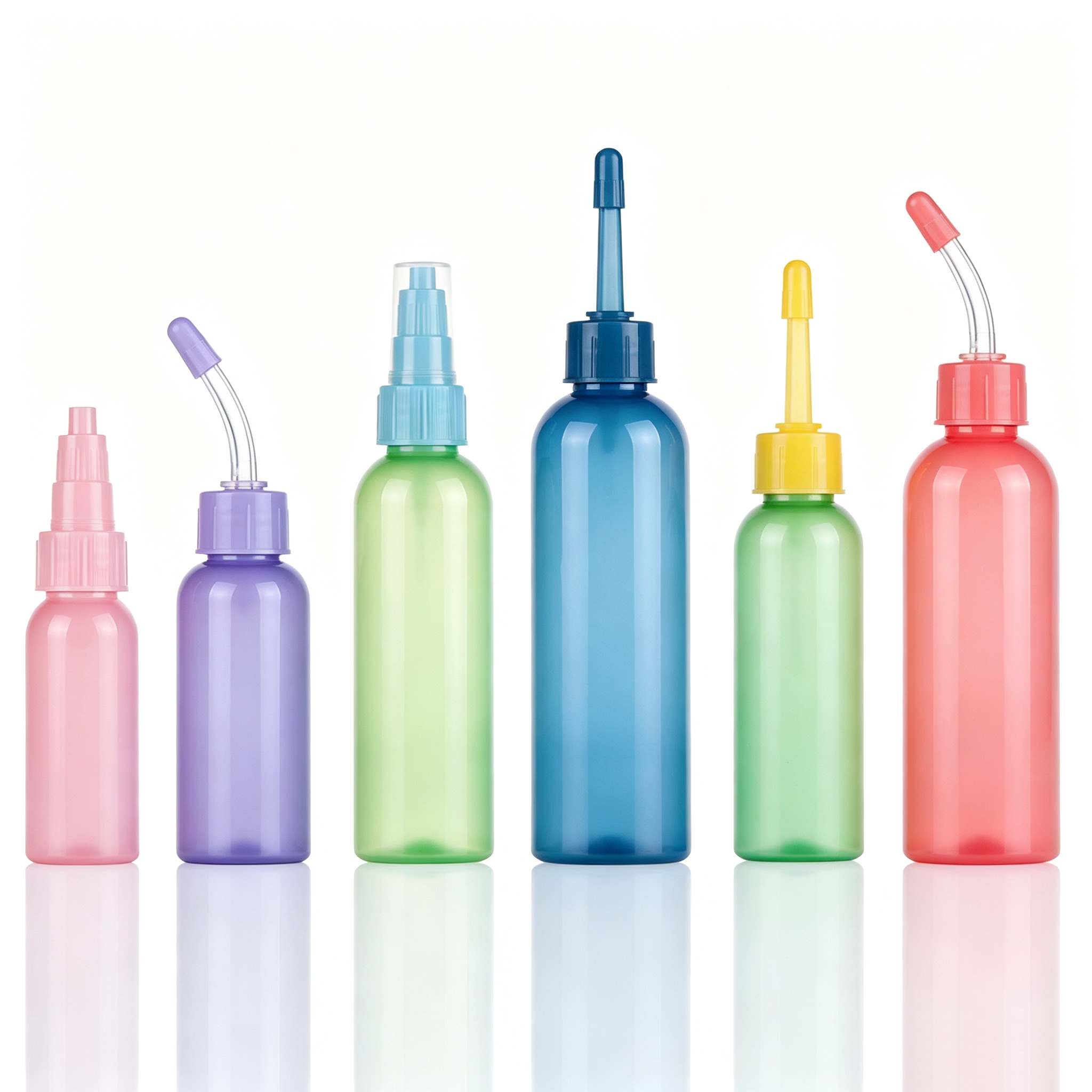
The pet ear drop bottle has become an essential component in modern commercial animal medicine supply chains, serving veterinarians, animal healthcare facilities, and pharmaceutical distributors worldwide. Understanding how a pet ear drop bottle is applied throughout these complex distribution networks is critical for stakeholders who must ensure product integrity, compliance, and therapeutic efficacy. A pet ear drop bottle represents far more than a simple container; it is a precision delivery system designed to meet strict pharmaceutical standards while providing practical functionality in clinical settings.
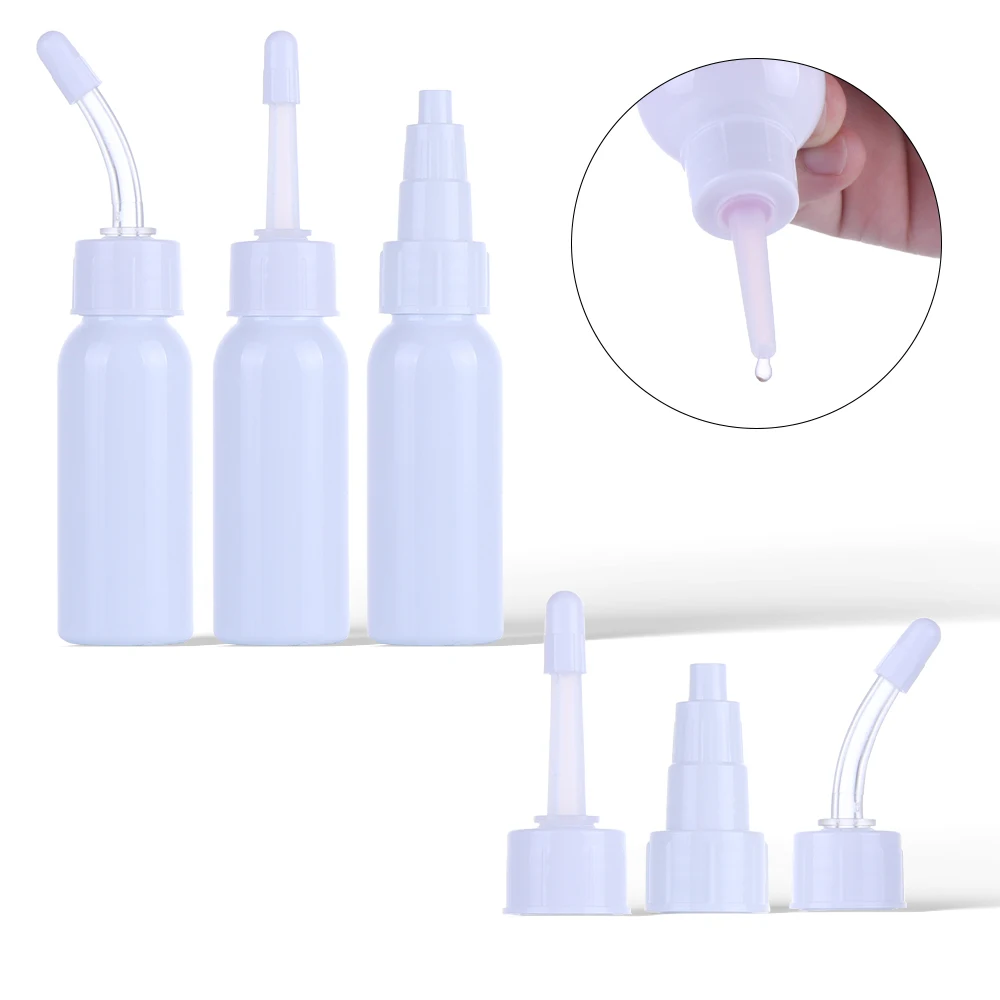
Commercial animal medicine supply chains rely on the pet ear drop bottle to deliver medications with precision and safety. When a pet ear drop bottle enters the supply chain, it undergoes rigorous quality checks, storage protocols, and handling procedures that directly impact treatment outcomes. The application of a pet ear drop bottle in veterinary clinics, animal hospitals, and retail pharmacy networks requires understanding its design specifications, material compatibility, and regulatory compliance requirements.
Supply Chain Integration and Handling Protocols
Receiving and Quality Verification
When a pet ear drop bottle arrives at a distribution center or veterinary facility, initial quality verification is paramount. Inspectors examine the pet ear drop bottle for manufacturing defects, seal integrity, and proper labeling compliance. The pet ear drop bottle must meet pharmaceutical-grade standards, including accurate volume measurements, sterile design, and compatibility with active pharmaceutical ingredients. Warehousing personnel must verify that each pet ear drop bottle has undergone stability testing and maintains proper storage temperatures to preserve medication efficacy.
Storage conditions directly influence how long a pet ear drop bottle maintains its therapeutic properties. The pet ear drop bottle requires climate-controlled environments with consistent temperature ranges, typically between 15°C and 25°C, depending on formulation requirements. Humidity control is equally critical; excessive moisture can compromise the pet ear drop bottle's squeeze mechanism and degrade the enclosed medication. Supply chain managers must implement inventory rotation systems to ensure older pet ear drop bottle units are dispensed first, preventing expired stock accumulation.
Distribution to Veterinary Facilities
Once released from distribution centers, the pet ear drop bottle travels through various channels to reach end-users. Large animal hospitals receive the pet ear drop bottle in bulk shipments, requiring dedicated pharmaceutical storage areas with proper shelving and temperature monitoring. Small veterinary clinics typically order pet ear drop bottle units individually or in smaller quantities, necessitating reliable wholesale suppliers and consistent delivery timelines. The pet ear drop bottle must be transported in protective packaging to prevent damage during transit, as even minor structural compromise can affect medication sterility and dosage accuracy.
Tracking systems follow each pet ear drop bottle through the distribution network, enabling recall capabilities if safety concerns emerge. Pharmaceutical companies maintaining the pet ear drop bottle supply chains implement barcode systems and digital inventory management to optimize stock levels and prevent shortages. Veterinary facilities must maintain detailed records of pet ear drop bottle receipt dates, lot numbers, and expiration timelines to ensure compliance with regulatory audits and animal healthcare standards.
Clinical Application and Dosage Administration
Pre-Treatment Assessment and Setup
Before veterinary professionals administer medication using a pet ear drop bottle, comprehensive animal assessment occurs. The veterinarian examines the pet's ear canal condition, identifying inflammation, discharge, or foreign objects that might contraindicate immediate treatment. The pet ear drop bottle must be selected based on medication type, whether antibacterial, antifungal, or corticosteroid formulations. Veterinary staff verifies the pet ear drop bottle matches the prescribed medication, checks expiration dates, and confirms the pet owner has received proper handling instructions for post-treatment care.
The pet ear drop bottle design facilitates precise application through its specialized squeeze mechanism, which allows controlled release of measured doses. Veterinarians position the pet appropriately, typically with the affected ear facing upward, before gently squeezing the pet ear drop bottle to deliver the specified number of drops. The squeeze design of a pet ear drop bottle prevents over-application and medication waste, critical factors in cost management and therapeutic consistency. Training programs educate veterinary staff on proper pet ear drop bottle handling techniques to maximize treatment efficacy and minimize animal stress during administration.
Dosage Precision and Measurement
The pet ear drop bottle engineering incorporates graduated delivery mechanisms that ensure consistent drop size and volume control. Each squeeze of the pet ear drop bottle releases approximately 0.05 milliliters, allowing veterinarians to administer precise dosages tailored to individual animal needs. Medication formulations developed for use with a pet ear drop bottle account for this specific delivery volume, ensuring pharmacokinetic profiles align with clinical trial data. The pet ear drop bottle design prevents cross-contamination by isolating medication from external environments while maintaining sterility throughout its shelf life and application period.
Documentation of pet ear drop bottle application is essential for medical records and treatment outcome tracking. Veterinary clinics record the specific lot number of the pet ear drop bottle used, administration date, quantity administered, and observed patient responses. This traceability transforms individual pet ear drop bottle usage into actionable data for pharmaceutical safety monitoring and efficacy validation. Pet owners receive instructions on how to continue pet ear drop bottle treatment at home, including frequency, duration, and signs requiring veterinary follow-up.
Regulatory Compliance and Quality Standards
Pharmaceutical Certification Requirements
Every pet ear drop bottle distributed through commercial animal medicine supply chains must meet pharmaceutical manufacturing standards established by regulatory agencies. The pet ear drop bottle undergoes biocompatibility testing to ensure materials do not interact with active ingredients or release harmful substances. Sterilization protocols validate that the pet ear drop bottle maintains sterile conditions from manufacturing through clinical application. Stability testing confirms the pet ear drop bottle preserves medication integrity across its entire shelf life, accounting for temperature fluctuations and light exposure common in real-world storage scenarios.
Manufacturing facilities producing the pet ear drop bottle implement rigorous quality control systems, including material inspection, dimensional verification, and pressure testing. The pet ear drop bottle squeeze mechanism undergoes durability testing to confirm it maintains functionality through multiple applications without mechanical failure. Labeling on the pet ear drop bottle must include precise medication information, dosage instructions, contraindications, and storage requirements in compliance with veterinary pharmaceutical regulations. Each pet ear drop bottle batch receives certification documentation, demonstrating compliance with international standards and enabling supply chain traceability.
Safety and Adverse Event Monitoring
The pet ear drop bottle itself can occasionally cause application-related issues, such as accidental over-application if the squeeze mechanism becomes damaged or overly sensitive. Pharmacovigilance programs monitor reported incidents involving the pet ear drop bottle to identify design improvements or manufacturing defects. Supply chain professionals maintain communication channels with veterinary facilities to gather feedback on pet ear drop bottle performance, functionality, and any usability concerns observed during clinical practice. This collaborative approach ensures the pet ear drop bottle continuously improves to meet evolving veterinary needs.
Recalls affecting the pet ear drop bottle supply chain require rapid coordination among manufacturers, distributors, and veterinary facilities. Alert systems notify supply chain participants when a specific pet ear drop bottle lot requires removal from circulation due to safety concerns. Detailed documentation allows pharmaceutical companies to trace which facilities received particular pet ear drop bottle batches, enabling targeted recalls that minimize disruption to patient care. The pet ear drop bottle supply chain's resilience depends on establishing clear communication protocols and maintaining accurate inventory records throughout distribution networks.
FAQ
What materials are used in manufacturing a pet ear drop bottle?
Modern pet ear drop bottles are typically manufactured from pharmaceutical-grade plastics such as polyethylene or polypropylene, selected for their chemical compatibility with ear medications and resistance to degradation. The squeeze mechanism often incorporates elastomer materials that maintain flexibility over time while resisting medication interaction. Glass alternatives are less common due to breakage risks in clinical environments, though glass options exist for specific formulations requiring maximum chemical inertness. All materials undergo biocompatibility testing to ensure safety when used with animal products and prevent adverse reactions.
How are pet ear drop bottles stored in veterinary facilities?
Veterinary facilities maintain dedicated pharmaceutical storage areas with climate control systems that maintain temperatures between 15°C and 25°C, protecting pet ear drop bottles from heat and cold exposure that could compromise medication stability. Shelving systems organize bottles by medication type, expiration date, and frequency of use, enabling efficient inventory management and preventing expired stock usage. Storage areas must be locked and accessible only to authorized personnel to prevent medication diversion and ensure security. Regular temperature monitoring and humidity control are documented to demonstrate compliance with pharmaceutical storage standards during regulatory inspections.
Can pet ear drop bottles be reused after medication is dispensed?
Pet ear drop bottles should not be reused for different medications or refilled by veterinary facilities, as this practice risks cross-contamination and compromises sterility that manufacturers establish during production. Single-use design principles ensure medication integrity and prevent pharmaceutical errors that could arise from residual medication in the bottle. Facilities should establish disposal protocols for used pet ear drop bottles, following environmental and pharmaceutical waste regulations applicable in their jurisdiction. This single-use approach maintains the highest safety standards for animal patients and simplifies supply chain management for pharmaceutical distributors.