
 EN
EN
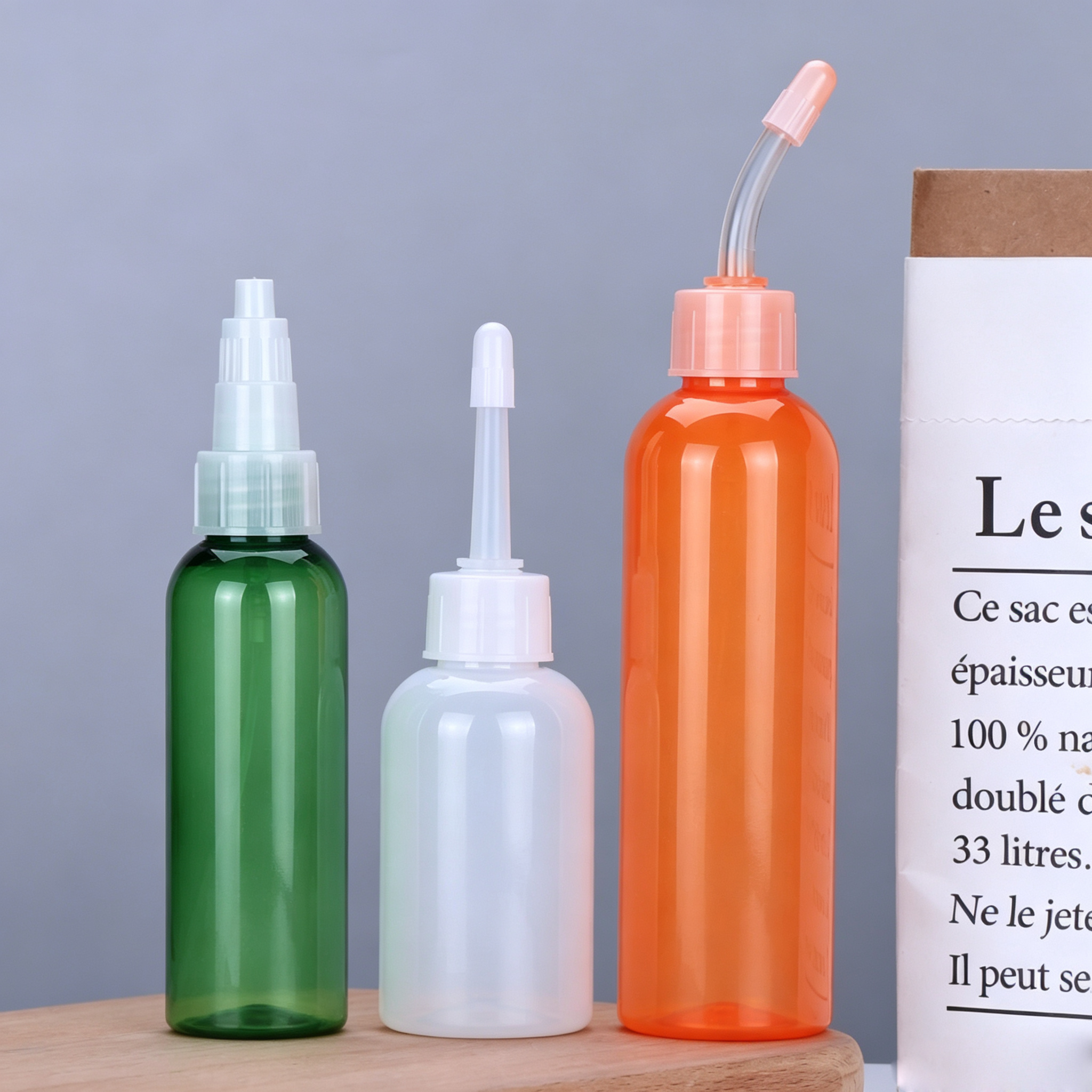
The selection of appropriate packaging for veterinary pharmaceuticals represents a critical decision that directly impacts product efficacy, regulatory compliance, and end-user satisfaction. A pet ear drop bottle has emerged as a specialized solution within OEM veterinary pharmaceutical packaging projects, offering manufacturers and veterinary distributors a reliable mechanism for delivering topical ear medications to companion animals. This focused packaging approach addresses specific clinical requirements while maintaining the integrity of sensitive formulations throughout the supply chain and storage lifecycle.
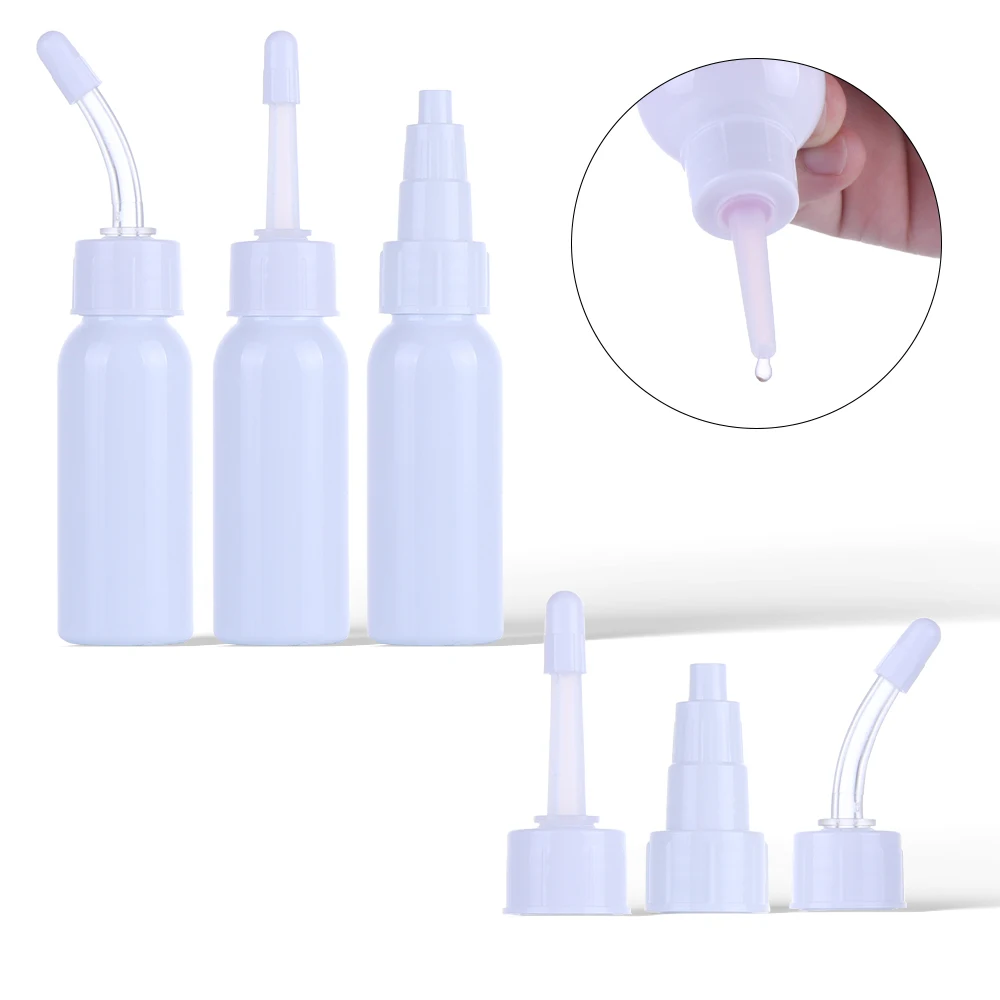
The pet ear drop bottle has become instrumental in OEM veterinary projects because it combines precision dosing, ease of application, and compatibility with pharmaceutical formulations. Understanding the strategic value of this packaging choice helps OEM partners make informed decisions about product format, regulatory positioning, and market differentiation within competitive veterinary channels.
Precision Dosing and Pharmaceutical Integrity
Accurate Medication Delivery in Pet Healthcare
Veterinary ear medications require exacting precision to ensure therapeutic efficacy and minimize overdosing risks. A pet ear drop bottle delivers medication in controlled, measurable quantities that veterinarians and pet owners can administer with confidence. The design of a professional pet ear drop bottle incorporates graduated measurements and squeeze mechanisms engineered to dispense consistent drop volumes, reducing variability between applications. This precision becomes particularly important for potent formulations where even minor dosing errors can compromise treatment outcomes or trigger adverse reactions in sensitive animal patients.
Maintaining Chemical Stability During Storage
Pharmaceutical-grade pet ear drop bottle materials protect contents from environmental degradation, light exposure, and oxidative reactions that compromise efficacy. OEM veterinary projects benefit from packaging that extends shelf life, reduces product waste, and maintains therapeutic potency from manufacture through end-use. The selection of appropriate resin formulations and closure systems ensures that a pet ear drop bottle preserves active ingredients without requiring additional chemical preservatives that might irritate sensitive ear tissues. This protective function becomes a key selling point in OEM negotiations with veterinary pharmaceutical manufacturers seeking to extend product viability and reduce market returns.
Regulatory Compliance and Market Access
Meeting Veterinary Pharmaceutical Standards
OEM veterinary pharmaceutical packaging projects must align with regulatory frameworks governing animal health products across multiple jurisdictions. A pet ear drop bottle engineered to comply with FDA, EMA, and regional veterinary pharmaceutical standards provides manufacturers with a compliant packaging platform that accelerates regulatory approval timelines. Packaging specifications including material composition, label capacity, closure integrity, and childproof mechanisms are pre-engineered into professional pet ear drop bottle designs, reducing the burden of custom qualification studies. OEM partners leveraging standardized pet ear drop bottle platforms can redirect resources toward formulation development and market positioning rather than extensive packaging validation.
Differentiation Through Specialized Design Features
The pet ear drop bottle format allows OEM projects to incorporate value-added design elements that differentiate products within veterinary distribution channels. Ergonomic squeeze mechanisms, color-coded caps for dosing clarity, tamper-evident seals, and applicator tips integrated directly into packaging strengthen brand perception among veterinarians and pet owners. These design considerations transform a pet ear drop bottle from basic functional packaging into a therapeutic delivery system that enhances the customer experience and supports premium positioning. OEM manufacturers working with specialized packaging partners can develop proprietary pet ear drop bottle configurations that create competitive barriers and strengthen customer loyalty.
Supply Chain Efficiency and Cost Optimization
Scalability Within OEM Manufacturing Networks
OEM veterinary pharmaceutical projects benefit from pet ear drop bottle designs optimized for high-volume, automated production environments. Standardized pet ear drop bottle dimensions, closure threads, and labeling surfaces integrate seamlessly with existing fill-and-finish equipment, reducing capital investments and production bottlenecks. The scalability inherent in professional pet ear drop bottle platforms enables OEM partners to rapidly scale production from pilot volumes to commercial distribution without redesigning packaging infrastructure. This operational flexibility becomes particularly valuable for manufacturers responding to seasonal demand fluctuations or unexpected market expansion opportunities within veterinary channels.
Cost Structure and Market Competitiveness
The pet ear drop bottle represents a cost-effective packaging solution that balances material expenses, manufacturing overhead, and market-acceptable pricing within veterinary distribution channels. OEM projects leveraging established pet ear drop bottle manufacturing processes benefit from economies of scale, reduced per-unit packaging costs, and improved gross margins compared to custom-engineered solutions. Transparent cost structures associated with standard pet ear drop bottle production enable OEM partners to build predictable financial models, negotiate volume-based pricing agreements, and maintain competitive positioning across veterinary product categories. The financial efficiency of pet ear drop bottle platforms allows manufacturers to allocate resources toward marketing, clinical education, and channel development activities that drive revenue growth.
Application Scenarios and Market Positioning
Therapeutic Indications and Treatment Protocols
Veterinary ear conditions affecting dogs and cats represent significant treatment categories where a specialized pet ear drop bottle delivers measurable clinical and commercial value. Conditions including otitis externa, fungal infections, bacterial infections, and inflammation-related discomfort are managed through topical ear medications that require precise, repeated applications over multi-week treatment periods. A pet ear drop bottle engineered for these clinical scenarios supports treatment compliance by simplifying administration protocols and reducing application variability. OEM manufacturers developing proprietary formulations for ear conditions gain competitive advantage through packaging that visibly enhances the therapeutic experience for both veterinary professionals and pet owners navigating complex treatment regimens.
Distribution Channel Alignment and Customer Requirements
Veterinary pharmaceutical distributors, veterinary clinics, and online pet health retailers maintain specific packaging requirements that influence OEM product development decisions. A pet ear drop bottle format appeals to multiple distribution channels because it accommodates diverse delivery models including over-the-counter sales, prescription fulfillment, and direct-to-consumer veterinary telemedicine platforms. OEM projects aligned with channel-specific requirements regarding packaging sizing, labeling compliance, and functional features maximize market accessibility and reduce channel conflict. Understanding how a pet ear drop bottle fits within veterinary practice workflows and pet owner home administration patterns enables OEM partners to design packaging that supports adoption and repeat purchases across diverse customer segments.
FAQ
What are the key material specifications for a professional pet ear drop bottle used in OEM veterinary projects?
A professional pet ear drop bottle typically utilizes pharmaceutical-grade high-density polyethylene, polypropylene, or specialized copolymer resins selected for chemical compatibility with ear medications and long-term stability. Material selection considers factors including alcohol content in formulations, essential oil compatibility, preservative interactions, and temperature stability across storage conditions. Closure systems commonly incorporate foam-lined or rubber-coated caps designed to maintain hermetic seals while accommodating repeated opening cycles during treatment protocols. OEM specifications should verify USP and Ph.Eur. material compliance to ensure regulatory acceptance across international markets and veterinary pharmacy standards.
How does a pet ear drop bottle contribute to improved treatment compliance in veterinary practice?
A pet ear drop bottle design that simplifies application mechanics, provides clear dosing guidance, and minimizes mess directly supports treatment compliance among pet owners managing chronic ear conditions. Ergonomic squeeze mechanisms require minimal hand strength, making administration accessible to elderly pet owners or those with limited manual dexterity. Visual dosing markers and integrated applicator tips reduce administration errors and uncertainty, increasing confidence in treatment delivery. OEM manufacturers who recognize that pet ear drop bottle design influences real-world compliance outcomes can position packaging as a therapeutic tool that extends beyond functional containment to active support of veterinary clinical protocols.
What regulatory considerations should OEM partners evaluate when selecting a pet ear drop bottle platform for new product development?
OEM veterinary projects must verify that pet ear drop bottle packaging meets FDA animal drug container requirements, including material composition declarations, antimicrobial efficacy testing for closure systems, and label space availability for required veterinary product information. Regional variations in packaging regulations for animal pharmaceuticals require evaluation of specific requirements in target markets, including childproof mechanisms for household locations where pets receive treatment. Toxicology documentation demonstrating material safety for repeated contact with animal tissues should be maintained and available for regulatory submissions. Engaging experienced OEM packaging partners familiar with veterinary regulatory pathways ensures that pet ear drop bottle selection accelerates product approval timelines and reduces compliance-related development delays.
Table of Contents
- Precision Dosing and Pharmaceutical Integrity
- Regulatory Compliance and Market Access
- Supply Chain Efficiency and Cost Optimization
- Application Scenarios and Market Positioning
-
FAQ
- What are the key material specifications for a professional pet ear drop bottle used in OEM veterinary projects?
- How does a pet ear drop bottle contribute to improved treatment compliance in veterinary practice?
- What regulatory considerations should OEM partners evaluate when selecting a pet ear drop bottle platform for new product development?