Plastic Glue Bottles: Precision Dispensing Solutions for Every Application

All Categories

Get a Free Quote

Our representative will contact you soon.
Email
Mobile/WhatsApp
Name
Company Name
Message
0/1000

plastic glue bottles

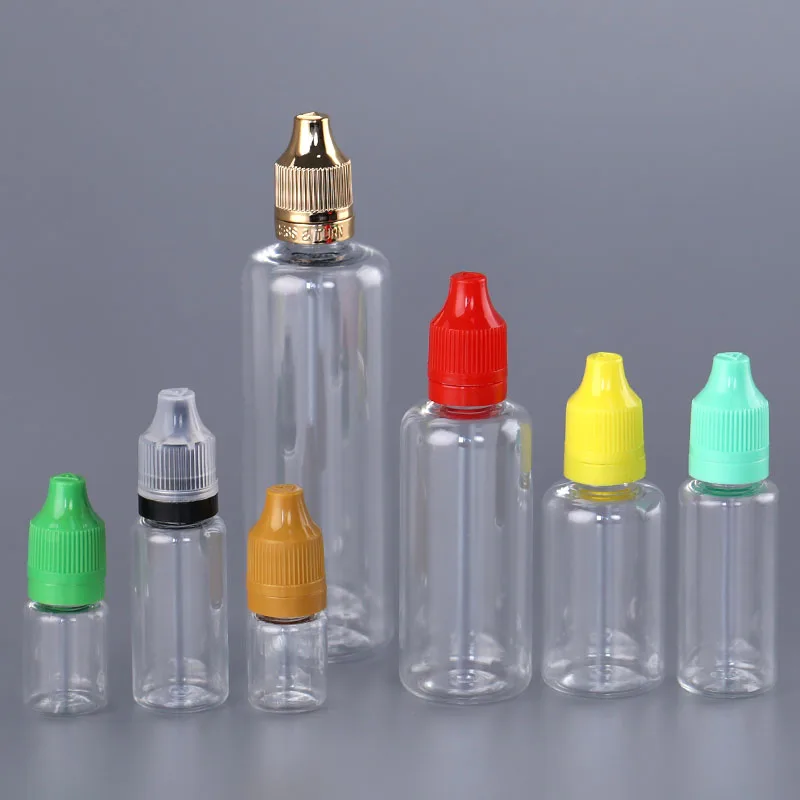
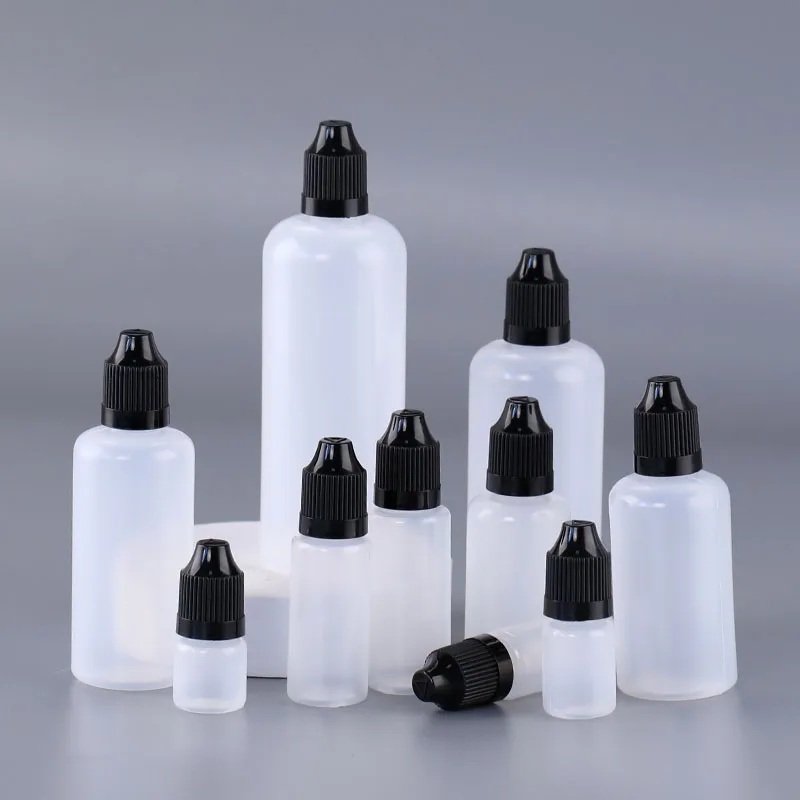
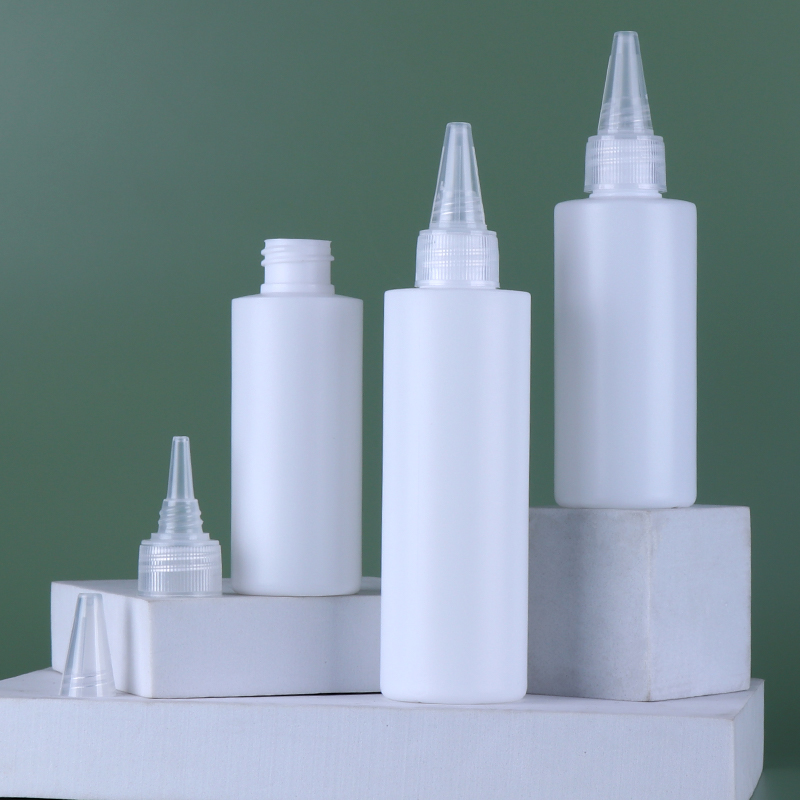
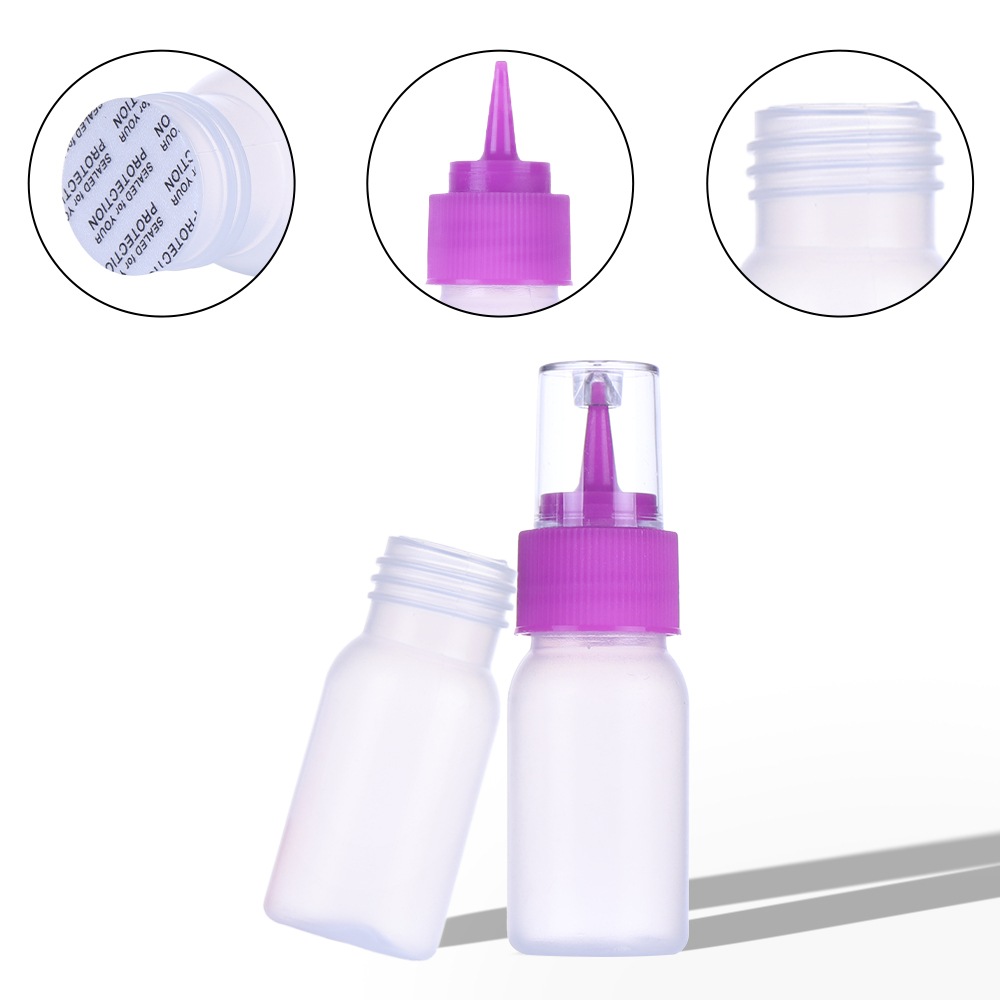
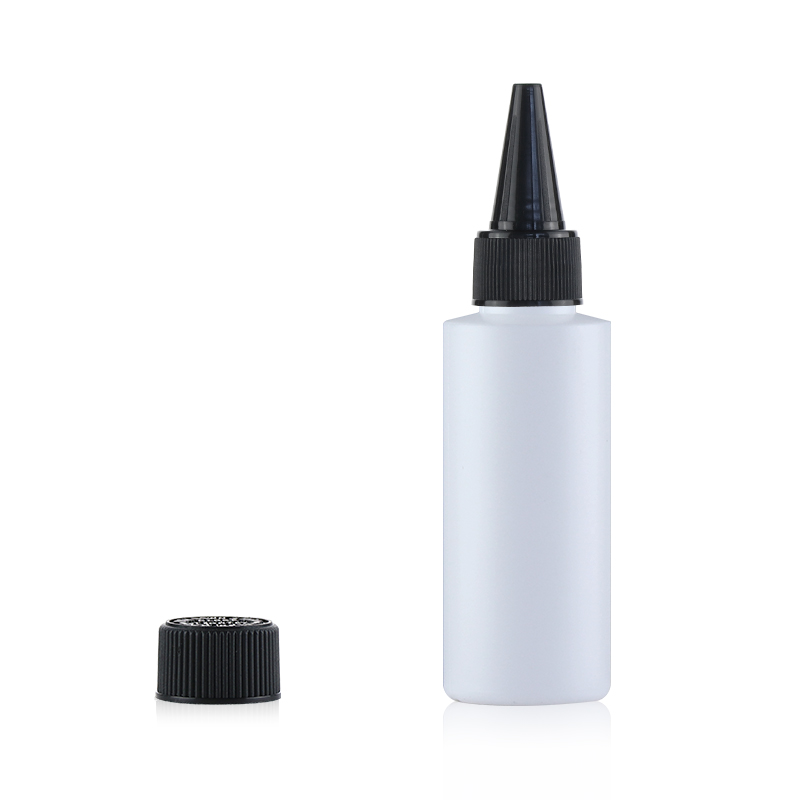
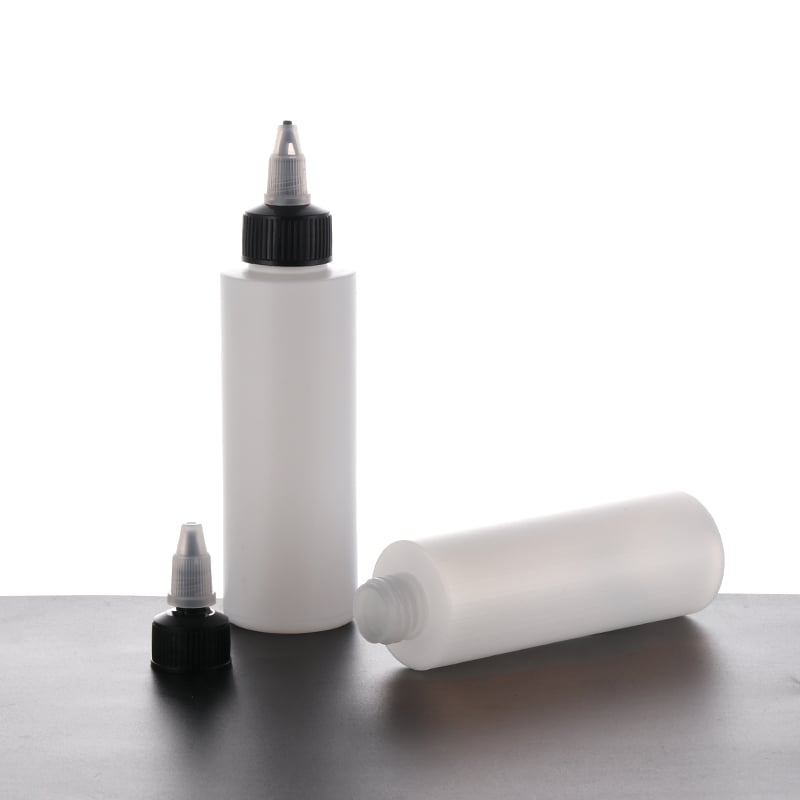
Plastic glue bottles are purpose-built dispensing containers designed to store, protect, and precisely deliver adhesive substances across a wide range of professional and consumer applications. These bottles serve as the critical interface between the adhesive formulation and the surface it bonds, making their design and material composition just as important as the glue itself. Constructed from high-density polyethylene, polypropylene, or other chemically resistant plastics, plastic glue bottles are engineered to withstand prolonged contact with solvents, resins, and reactive adhesive compounds without degrading, leaching, or deforming. This chemical compatibility ensures that the adhesive inside retains its original viscosity, potency, and shelf life throughout the product's usable period. The primary function of plastic glue bottles is controlled dispensing. Whether the application demands a fine bead, a broad spread, or a single precise drop, the bottle's tip geometry, wall flexibility, and cap mechanism work together to give the user consistent, repeatable control. Needle-tip variants allow micro-precision for electronics assembly and jewelry repair, while wide-mouth applicator tips suit craft projects and woodworking tasks that require broader coverage. Technologically, modern plastic glue bottles incorporate several advanced features. Anti-drip valve systems prevent unwanted leakage between uses, reducing waste and keeping workspaces clean. Translucent or semi-transparent body materials allow users to monitor fill levels at a glance without opening the container. Ergonomic squeeze bodies with calibrated wall thickness deliver uniform pressure response, so users can modulate flow with minimal effort. Tamper-evident and child-resistant cap designs add a layer of safety for household environments. Applications for plastic glue bottles span virtually every industry and hobby. In manufacturing and assembly lines, they deliver structural adhesives with speed and accuracy. In schools and offices, they dispense craft and paper glues safely. In medical device production, specialized plastic glue bottles handle UV-cure and cyanoacrylate adhesives under strict contamination controls. Hobbyists, model builders, florists, and DIY enthusiasts rely on them daily. Their lightweight construction, low cost, and compatibility with a vast spectrum of adhesive chemistries make plastic glue bottles an indispensable tool wherever bonding precision and reliability matter.

New Product Recommendations

Plastic glue bottles give you real, everyday advantages that make your work faster, cleaner, and more cost-effective. Here is a straightforward look at why so many professionals and hobbyists choose plastic glue bottles over alternative dispensing methods. First, plastic glue bottles put you in control of how much adhesive you apply. The flexible body responds directly to the pressure you apply with your hand, so you decide whether a tiny dot or a generous line comes out. This level of control cuts down on over-application, which means you use less glue per project and your materials last longer. Less waste translates directly into lower costs over time, and that matters whether you run a production facility or manage a household craft drawer. Second, plastic glue bottles keep your adhesive fresh. The tight-sealing caps and chemically resistant walls create a protective environment that slows down the curing and drying process that would otherwise ruin an open container. You open the bottle when you need it, use what you need, seal it back up, and the remaining adhesive stays ready for next time. This is a practical benefit that saves money and reduces the frustration of reaching for your glue only to find it has hardened inside the container. Third, plastic glue bottles are lightweight and easy to handle. You can carry them in a toolbox, a craft bag, or a work apron pocket without adding meaningful weight to your load. Their compact form factor means they fit into tight storage spaces and travel well to job sites or classrooms. The ergonomic squeeze body reduces hand fatigue during extended use, which is a genuine comfort advantage for anyone who works with adhesives for long stretches. Fourth, plastic glue bottles work with a wide variety of adhesive types. Whether you are working with white craft glue, wood glue, contact cement, cyanoacrylate, epoxy components, or specialty industrial adhesives, there is a plastic glue bottle formulation and tip configuration suited to that chemistry. This versatility means you do not need a different dispensing system for every adhesive in your toolkit. Fifth, plastic glue bottles are affordable and widely available. The low unit cost makes it practical to keep multiple bottles on hand for different adhesive types or different tip configurations, so you are always ready for the task at hand without cross-contaminating your adhesives. Sixth, the transparent or translucent body of most plastic glue bottles lets you see exactly how much product remains. You will never be caught mid-project with an unexpectedly empty bottle because you can check the fill level with a quick glance. This visibility supports better inventory management in both professional and home settings. Seventh, plastic glue bottles reduce mess. The precision tip and controlled flow mean adhesive goes where you intend it to go, not on your fingers, your workbench, or the surrounding material. Cleaner application means less cleanup time and a better-looking finished product. Taken together, these advantages make plastic glue bottles a smart, practical choice for anyone who values efficiency, economy, and clean results in their bonding work.

Practical Tips

Get a Free Quote

Our representative will contact you soon.
Email
Mobile/WhatsApp
Name
Company Name
Message
0/1000

plastic glue bottles

Precision Dispensing Technology That Puts You in Control

Precision Dispensing Technology That Puts You in Control

One of the most valuable features of plastic glue bottles is their ability to deliver adhesive with a level of precision that other dispensing methods simply cannot match. This precision is not accidental. It is the result of deliberate engineering decisions made at every stage of the bottle's design, from the flexibility of the body wall to the internal diameter of the tip orifice and the geometry of the nozzle exit. When you squeeze a plastic glue bottle, the force you apply translates directly into flow rate. A gentle squeeze produces a slow, thin bead. A firmer squeeze increases the flow for broader coverage. Release the pressure and the flow stops almost immediately, especially in bottles equipped with anti-drip or self-sealing tip valves. This responsive, pressure-sensitive behavior gives you real-time control over adhesive placement in a way that a brush, a spatula, or a bulk pump system cannot replicate. For professionals working in electronics assembly, the ability to place a micro-dot of adhesive on a circuit board component without contaminating adjacent contacts is not a luxury. It is a requirement. Plastic glue bottles with needle-tip nozzles make this possible without the need for expensive automated dispensing equipment. For woodworkers, the ability to run a consistent bead along a joint line without flooding the surrounding wood grain saves finishing time and improves bond quality. For crafters and hobbyists, precise dispensing means cleaner projects, less rework, and a more satisfying creative experience. The tip configurations available for plastic glue bottles are extensive. Fine needle tips, angled applicator tips, wide flat tips, and multi-hole tips each serve a specific application need. Many plastic glue bottles are sold with interchangeable tips, allowing a single bottle to serve multiple roles depending on the task. The body material itself contributes to precision. High-density polyethylene and polypropylene offer a consistent elastic response, meaning the bottle returns to its original shape predictably after each squeeze. This consistency prevents the uneven pressure buildup that can cause sudden surges of adhesive, a common problem with lower-quality dispensing containers. In summary, the precision dispensing capability of plastic glue bottles is a core feature that delivers measurable value across professional trades, manufacturing environments, and creative hobbies. It reduces material waste, improves bond quality, and gives the user a level of control that directly impacts the quality of the finished work.
Superior Chemical Resistance That Protects Your Adhesive Investment

Superior Chemical Resistance That Protects Your Adhesive Investment

The material science behind plastic glue bottles is what makes them compatible with such a broad range of adhesive chemistries. Not every plastic can hold every adhesive. Some solvents attack container walls, causing them to soften, swell, or crack. Some reactive adhesives interact with certain polymers, triggering premature curing or contaminating the adhesive with leached compounds. Plastic glue bottles designed for professional and industrial use are manufactured from polymers specifically selected for their resistance to the adhesives they are intended to hold. High-density polyethylene is the most common choice for general-purpose plastic glue bottles because it resists a wide spectrum of organic solvents, acids, and bases while remaining flexible enough for squeeze dispensing. Polypropylene offers higher temperature resistance and is preferred for adhesives that are stored or used in warm environments. Low-density polyethylene provides a softer, more pliable body for applications where very gentle squeeze pressure is needed. For cyanoacrylate adhesives, which are among the most reactive and fast-curing adhesives in common use, plastic glue bottles are made from materials that do not initiate polymerization on contact. This is critical because a container that reacts with cyanoacrylate will cure the adhesive inside the bottle, rendering the entire contents unusable. The right plastic glue bottle keeps cyanoacrylate stable and ready to use for the full shelf life of the product. Chemical resistance also extends to the cap and tip components. A bottle body that resists the adhesive is only as good as its closure system. Quality plastic glue bottles use cap materials that match the chemical resistance profile of the body, ensuring that the entire container system protects the adhesive from the moment it is filled to the moment the last drop is dispensed. This comprehensive chemical compatibility is what allows plastic glue bottles to serve as reliable long-term storage and dispensing solutions rather than single-use containers. For businesses that purchase adhesives in bulk and transfer them into smaller dispensing bottles for line use, the chemical integrity of the plastic glue bottle directly affects product quality, worker safety, and operational efficiency. Choosing the right plastic glue bottle for your specific adhesive is an investment that pays back in reduced waste, consistent performance, and fewer production interruptions.
Versatile Design That Adapts to Every Application Environment

Versatile Design That Adapts to Every Application Environment

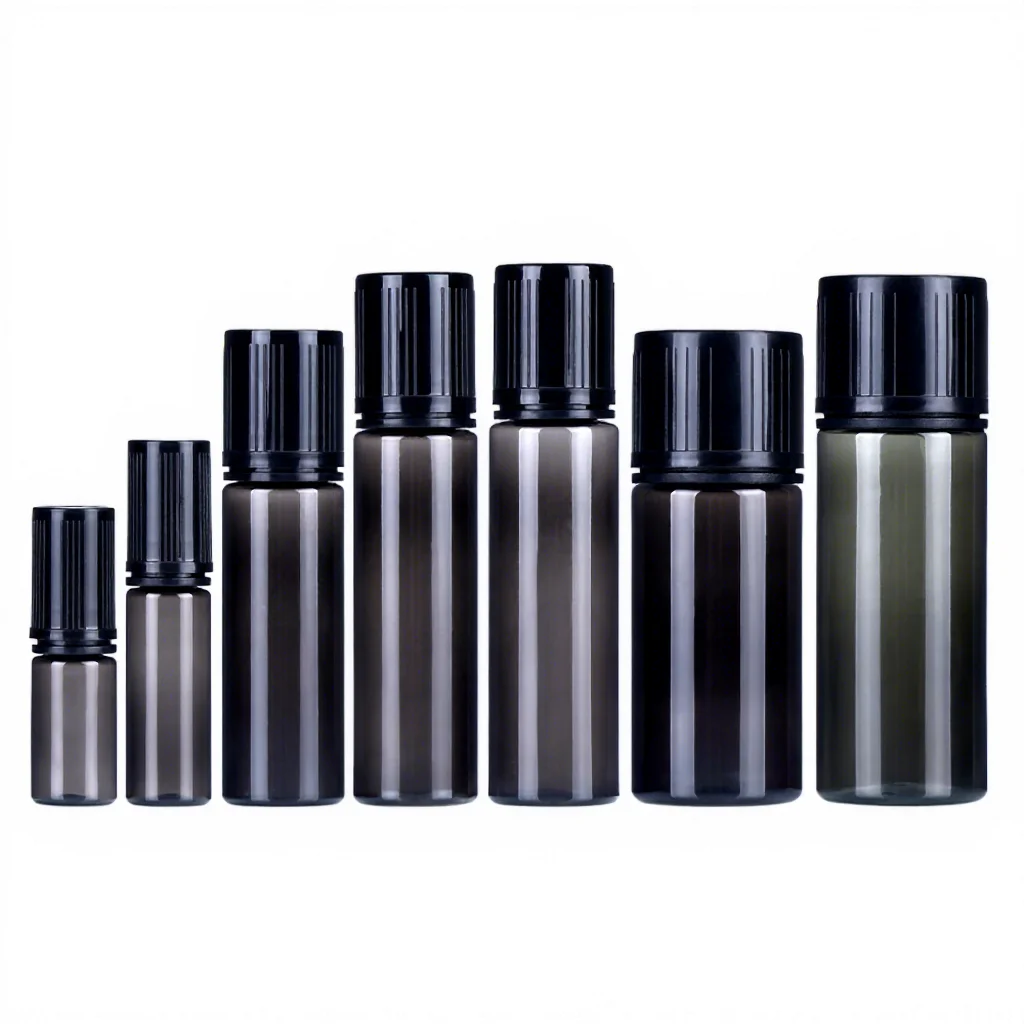
Plastic glue bottles are not a one-size-fits-all product, and that is precisely what makes them so widely adopted across such different industries and use cases. The design versatility built into the plastic glue bottle category means that whether you are running a high-volume manufacturing line, teaching an elementary school art class, repairing delicate jewelry, or assembling scale models at home, there is a plastic glue bottle configuration engineered for your specific environment and requirements. Size versatility is one of the most immediately practical dimensions of this adaptability. Plastic glue bottles are available in volumes ranging from a few milliliters for precision micro-dispensing applications up to multiple liters for high-consumption industrial settings. This range means you can match the bottle size to your actual usage rate, minimizing the time the adhesive spends in an opened container and reducing the risk of premature curing or contamination. In a school setting, small plastic glue bottles give children manageable, safe containers that limit over-application and reduce spills. In a furniture manufacturing plant, larger plastic glue bottles keep production lines supplied without constant refilling interruptions. Cap and closure design is another dimension of versatility. Flip-top caps allow one-handed operation, which is essential when your other hand is holding a workpiece in position. Screw caps provide a more secure seal for long-term storage. Precision needle caps with integrated plugs prevent tip clogging between uses, extending the functional life of the bottle and reducing the frustration of clearing blocked tips before each use. Tamper-evident seals and child-resistant closures make plastic glue bottles appropriate for retail sale and household use where safety is a priority. The labeling and identification options available for plastic glue bottles also support versatility in multi-adhesive environments. Color-coded caps, printed labels, and embossed body markings help users quickly identify the correct bottle in a busy workspace, reducing the risk of using the wrong adhesive for a given application. For private-label manufacturers and industrial buyers, custom-printed plastic glue bottles reinforce brand identity and provide a professional presentation at the point of use. All of these design dimensions combine to make plastic glue bottles a genuinely adaptable tool that grows with your needs, scales with your operation, and fits naturally into virtually any bonding workflow.

Get a Free Quote

Our representative will contact you soon.
Email
Mobile/WhatsApp
Name
Company Name
Message
0/1000