
 EN
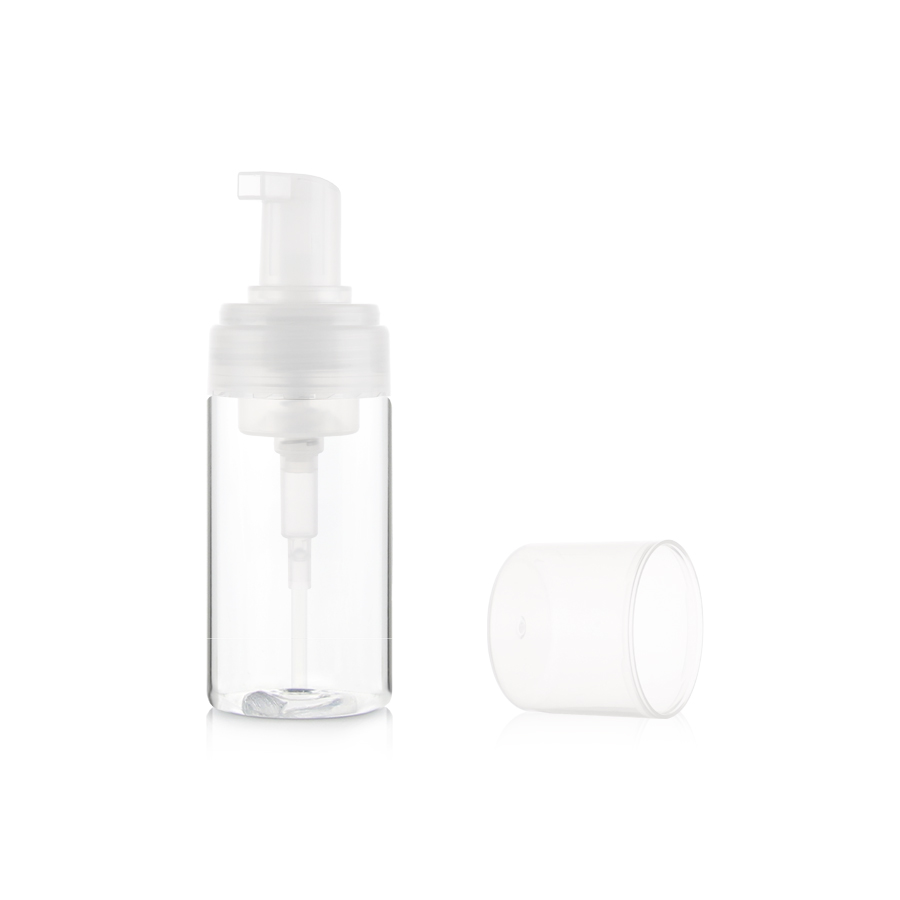
The demand for sustainable packaging solutions has intensified across consumer goods industries, with brands increasingly seeking ways to reduce environmental impact while maintaining product protection and shelf appeal. A foam bottle represents an innovative approach to meeting these dual objectives, offering lightweight construction, superior insulation properties, and potential for integration into refillable packaging systems. Organizations pursuing eco-friendly product lines recognize that foam bottle technology can deliver meaningful sustainability credentials without compromising functional performance or consumer experience.

The viability of foam bottle solutions within refillable packaging ecosystems depends on material selection, structural integrity, refill cycle durability, and alignment with circular economy principles. Understanding how foam bottle design parameters influence long-term performance, consumer adoption, and environmental outcomes is essential for brands committed to building genuinely sustainable packaging infrastructure that resonates with environmentally conscious consumers.
Material Selection and Sustainability Performance
Biodegradable and Recyclable Foam Options
The material composition of a foam bottle fundamentally determines its environmental footprint and suitability for refillable systems. Modern foam bottle manufacturing increasingly incorporates biodegradable polymers such as polylactic acid (PLA) and polyhydroxyalkanoates (PHA), which decompose naturally within industrial composting environments while maintaining structural performance comparable to conventional foam materials. These advanced foam bottle substrates reduce petroleum dependency and offer end-of-life pathways that align with circular packaging frameworks.
Recyclability represents another critical dimension of foam bottle sustainability. When engineered from recycled content or recyclable materials, a foam bottle supports closed-loop manufacturing systems that minimize virgin resource extraction and reduce landfill burden. Brands implementing refillable foam bottle systems benefit from consumer confidence that empty containers will enter established recycling streams, creating tangible environmental value across packaging lifecycles.
Durability and Refill Cycle Viability
A foam bottle must withstand multiple refill cycles to justify the infrastructure investments and consumer behavior changes required for refillable systems. Superior material engineering ensures that each foam bottle maintains structural integrity through repeated handling, filling, sealing, and transportation without degradation or leakage. This durability characteristic directly reduces the per-use environmental impact, as a single foam bottle effectively replaces numerous single-use alternatives.
The insulation properties inherent to foam construction provide additional functional benefits within refillable systems. A foam bottle naturally regulates temperature fluctuations for temperature-sensitive products such as cosmetics, beverages, and pharmaceuticals, reducing the need for supplementary protective packaging and enhancing product shelf stability. This functional superiority reinforces the business case for foam bottle adoption within premium and eco-focused product categories.
Design Integration for Refillable Packaging Ecosystems
Standardization and Compatibility Frameworks
Successful foam bottle implementation within refillable packaging networks requires standardized dimensions, cap interfaces, and fill-point specifications that facilitate seamless exchange across retail and service channels. A standardized foam bottle design enables brands to establish collection and refill infrastructure without requiring consumers to maintain multiple incompatible container formats. This standardization reduces friction in adoption while creating operational efficiencies that lower the total cost of ownership for refillable systems.
Technical specifications for a foam bottle should incorporate features that minimize contamination risk during refill processes, such as integrated cleaning access points and design elements that support high-temperature sterilization. When a foam bottle accommodates commercial refill protocols seamlessly, brand operators can confidently scale refillable systems without introducing quality or safety liabilities that might undermine consumer trust or regulatory compliance.
Aesthetic and Functional Design Optimization
Consumer adoption of refillable systems depends significantly on perceived product quality and visual appeal. A foam bottle design that conveys premium positioning while maintaining lightweight sustainability messaging creates psychological alignment with eco-conscious purchasing values. Advanced finishing techniques applied to foam bottle surfaces enable customization, branding integration, and aesthetic differentiation that supports margin preservation across refillable product lines.
Functional design elements such as ergonomic grip surfaces, clear volume indicators, and intuitive refill mechanisms integrated into foam bottle construction directly influence consumer convenience and system utilization rates. When refillable foam bottle systems are thoughtfully engineered to enhance user experience alongside sustainability objectives, adoption barriers decrease and retention within refillable programs improves measurably.
Environmental Impact and Circular Economy Alignment
Lifecycle Assessment and Carbon Reduction
Comprehensive lifecycle assessment of foam bottle systems reveals measurable environmental benefits across refillable use scenarios. The lightweight nature of foam bottle construction reduces transportation energy requirements compared to heavier single-use alternatives, lowering emissions from logistics networks. When a single foam bottle replaces dozens of single-use containers across its serviceable lifespan, cumulative carbon reduction becomes substantial and quantifiable for sustainability reporting purposes.
A foam bottle engineered from renewable or recycled material inputs amplifies environmental gains by displacing virgin resource extraction and associated upstream environmental costs. Brands communicating these lifecycle benefits transparently build consumer confidence that refillable foam bottle programs deliver authentic sustainability outcomes rather than superficial green marketing positioning. This substantiated environmental value strengthens loyalty among consumers increasingly scrutinizing corporate sustainability claims.
Integration with Extended Producer Responsibility Programs
Regulatory landscapes increasingly mandate extended producer responsibility (EPR) for packaging, creating compliance obligations that foam bottle systems can efficiently support. A foam bottle designed for end-of-life recyclability or composting enables producers to fulfill EPR requirements while minimizing cost exposure to extended waste management obligations. Refillable foam bottle systems reduce absolute container volumes entering waste streams, directly improving EPR compliance metrics and reducing associated financial liabilities.
As regulatory frameworks tighten globally, brands adopting foam bottle technology for refillable systems position themselves advantageously within evolving compliance landscapes. A foam bottle platform that generates verifiable data on container reuse cycles and end-of-life disposition provides documentary evidence supporting compliance demonstrations and regulatory audits. This proactive positioning protects revenue streams against future regulatory tightening while establishing competitive differentiation within sustainability-conscious market segments.
Implementation Considerations and Practical Pathway
Infrastructure and Supply Chain Development
Establishing refillable foam bottle systems requires coordinated development across multiple supply chain dimensions including reverse logistics networks, cleaning and refill facilities, consumer education campaigns, and retail partnership strategies. Organizations successfully implementing foam bottle refillable programs invest systematically in geographic collection infrastructure that makes participation convenient for consumers, recognizing that accessibility barriers significantly undermine adoption rates. A well-designed foam bottle system architecture leverages existing retail channels and municipal collection infrastructure to minimize incremental deployment costs.
Quality assurance protocols specific to foam bottle refill processes must ensure consistent product performance and consumer safety across multiple use cycles. Investment in automated inspection systems and material compatibility testing for refilled foam bottle containers protects brand reputation and prevents quality degradation that might discourage long-term consumer participation. These operational investments, while material, distribute across the extended service life of each foam bottle unit, creating attractive unit economics at scale.
Consumer Engagement and Market Education
Successful adoption of refillable foam bottle systems depends on consumer understanding of convenience benefits, environmental impact, and participation mechanisms. Brands should develop transparent communication materials that educate target audiences about how foam bottle refillable systems function, demonstrate authentic sustainability credentials through verifiable data, and address practical participation questions. When consumers perceive tangible value and environmental authenticity in foam bottle refillable programs, adoption accelerates and retention improves significantly.
Strategic pricing for refillable foam bottle systems should reflect sustainability value while maintaining consumer accessibility. Discount structures rewarding repeat refills with the same foam bottle container create positive incentive loops that drive participation and system loyalty. Over time, these pricing mechanisms combined with demonstrated environmental impact create self-reinforcing adoption momentum within target consumer segments prioritizing sustainability alongside product quality.
FAQ
Can foam bottle systems reduce overall packaging costs in refillable models?
Yes, refillable foam bottle systems can achieve cost reduction when calculated across extended service lifecycles despite higher per-unit manufacturing costs. A single durable foam bottle displacing dozens of single-use containers substantially reduces material costs per consumer serving. Additional savings materialize through reduced freight expenses attributable to lightweight foam bottle construction and simplified supply chains optimized for reuse cycles. Break-even analysis typically demonstrates attractive ROI within 18–36 months of program launch, depending on consumer adoption rates and reverse logistics efficiency.
What regulatory certifications should foam bottle refillable systems obtain?
Refillable foam bottle systems should obtain certifications confirming food-contact safety, material composition compliance, and recyclability or compostability status appropriate to target markets. International standards such as ISO 14855 (compostability), ISO 14644 (cleanroom compatibility for refill operations), and relevant food packaging regulations establish credibility and ensure market acceptance. A foam bottle system specifically engineered for cosmetics or pharmaceutical applications requires additional compliance with product-specific regulations governing material interactions and sterility assurance protocols.
How do foam bottle systems compare to glass refillable alternatives?
A foam bottle offers significant advantages over glass alternatives in lightweight transportation efficiency, consumer safety through shatter resistance, and lower manufacturing energy requirements. Glass maintains superior aesthetic positioning and long-term durability across unlimited refill cycles, making it suitable for premium segment applications. Foam bottle systems excel in mid-market segments where sustainability, convenience, and cost efficiency drive purchasing decisions more strongly than ultra-premium positioning, enabling brands to scale refillable systems cost-effectively across broader consumer audiences than glass-centric approaches.