
 EN
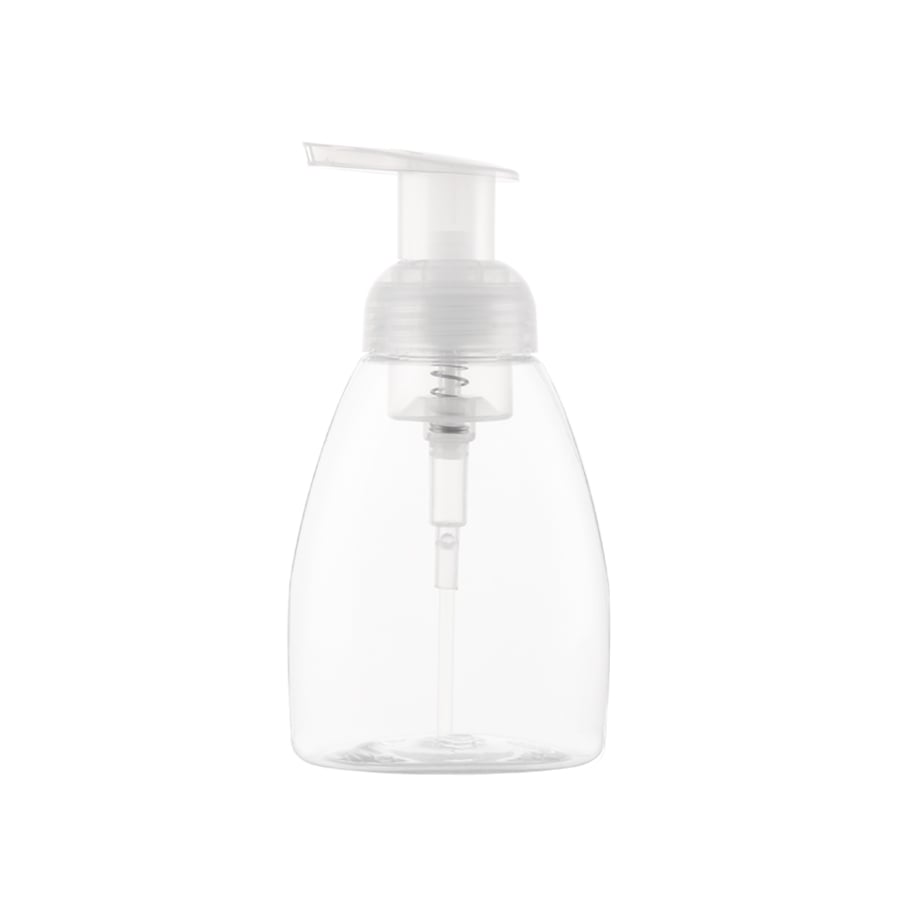
The foam bottle represents a modern packaging solution that has gained significant traction in the hand soap and sanitizer manufacturing industry. If your production facility is evaluating whether a foam bottle is suitable for your hand soap and sanitizer packaging lines, understanding its technical compatibility, operational benefits, and integration requirements is essential. A foam bottle transforms liquid formulations into a stable foam at the point of dispensing, which offers distinct advantages over traditional liquid packaging for both manufacturers and end consumers.
Hand soap and sanitizer manufacturers face increasing consumer demand for products that are easier to use, more economical, and deliver visible product value. The foam bottle directly addresses these market expectations by dispensing pre-foamed soap that appears to offer more coverage per use while reducing product consumption. For production line operators, integrating a foam bottle into your facility requires understanding equipment compatibility, regulatory compliance, and formulation adjustments that ensure consistent performance and quality output.
Technical Compatibility of Foam Bottle Systems
Mechanical Integration with Existing Lines
A foam bottle operates through a unique pump mechanism that aerates liquid soap through internal chambers and mesh screens. When integrating a foam bottle into your hand soap production line, you must ensure that your filling, capping, and packaging equipment can accommodate the specific dimensional requirements and sealing specifications of the foam bottle design. The foam bottle pump assembly requires precise torque application during capping to maintain airtight seals without damaging internal components. Most modern filling lines can adapt to foam bottle packaging with minor adjustments to gripper settings and cap-application pressure controls, though some older equipment may require more significant modifications.
Your sanitizer and hand soap production facility should verify that existing conveyor systems can handle the foam bottle weight and dimensions without slowing line throughput. The foam bottle is typically slightly heavier than standard liquid bottles due to the pump mechanism, which affects line speed and energy consumption. Quality assurance teams should also confirm that labeling equipment produces accurate placement on the curved surfaces of most foam bottle designs, ensuring regulatory compliance and brand consistency across batches.
Formulation Adjustments for Foam Bottle Performance
Hand soap and sanitizer formulations designed for traditional liquid dispensing often require modification to work optimally with a foam bottle system. The foam bottle mechanism depends on precise viscosity levels, and your formulation must balance flow rate with foam stability. If your current hand soap or sanitizer formulation is too thick, the foam bottle pump will struggle to pull product through the intake tube, reducing dispense consistency. Conversely, formulations that are too thin may produce excessive foam with insufficient stability, leading to product collapse before the user applies it.
Testing your hand soap and sanitizer recipes through foam bottle prototypes before full line integration is critical. The foam bottle performs best with formulations that contain appropriate surfactant concentrations, water ratios, and stabilizing agents. Work with your suppliers to adjust active ingredient percentages while maintaining efficacy claims. This adjustment phase typically requires three to six weeks of laboratory and pilot-scale testing to ensure that your foam bottle production batches meet both performance standards and regulatory requirements for hand soap and sanitizer products.
Production Line Efficiency and Cost Considerations
Product Yield and Consumption Economics
One of the primary advantages of a foam bottle for hand soap manufacturers is dramatic product yield improvement. A single pump of foam bottle-dispensed soap typically requires 65 to 75 percent less product than an equivalent liquid dispense, which directly reduces your cost per unit. If your hand soap production facility processes high volumes, this yield advantage translates into substantial savings across raw materials and packaging. For sanitizer lines, the foam bottle advantage is similarly compelling, as consumers perceive foam products as more luxurious and effective, which supports premium pricing despite lower material consumption.
However, the foam bottle requires investment in specialized pump mechanisms and may involve slightly higher per-unit packaging costs compared to standard bottles. Calculate your total cost of ownership by factoring in the foam bottle pump assembly price, any line modification expenses, formulation development costs, and the material savings achieved through improved yield. For most hand soap and sanitizer producers running monthly volumes exceeding 50,000 units, the foam bottle economics favor conversion within a 12 to 18 month payback period.
Line Speed and Throughput Impact
Integrating a foam bottle into your hand soap and sanitizer packaging line may affect overall throughput depending on existing equipment specifications and the complexity of your line modifications. The foam bottle capping process requires slightly longer dwell time than standard bottle capping due to the precision torque requirements for pump seals. Most modern filling lines can accommodate this adjustment by reducing line speed by 5 to 15 percent without significant production impact. Your facility should conduct a detailed time-motion analysis of the foam bottle integration process to establish realistic speed expectations and identify any bottlenecks.
Pre-production trials with the foam bottle on your actual equipment are essential before committing to full-scale conversion. Run test batches of your hand soap and sanitizer through the complete production cycle, measuring fill accuracy, capping consistency, and defect rates. These trials reveal whether additional equipment adjustments, operator training, or process refinements are necessary to achieve your target throughput with the foam bottle system. Many facilities find that after the initial learning curve, foam bottle lines achieve efficiencies comparable to or exceeding liquid packaging lines due to reduced product weight and handling requirements.
Regulatory Compliance and Consumer Safety
Product Safety and Foam Bottle Design Validation
Hand soap and sanitizer products packaged in a foam bottle must meet all applicable safety regulations and performance standards, with particular attention to the foam bottle pump mechanism's integrity and reliability. The foam bottle dispenses aerated product, which requires validation that foam stability and antimicrobial efficacy remain intact throughout the product shelf life. For hand soap lines, verify that foaming does not affect active ingredient delivery or consumer experience. For sanitizer products, confirm that alcohol content and active antimicrobial agents maintain effectiveness when aerated through the foam bottle pump.
Conduct shelf-life studies with your hand soap and sanitizer formulations in the specific foam bottle design you plan to use. Test for foam stability degradation, product separation, and pump performance consistency over the intended shelf period under various storage conditions. Work with your foam bottle supplier to obtain technical documentation confirming that materials used in the pump mechanism are compatible with your hand soap and sanitizer chemistry, including alcohol content and preservative systems. Document all compatibility testing results for regulatory submission and quality assurance records.
Labeling and Regulatory Documentation
Your hand soap and sanitizer products packaged in a foam bottle require accurate labeling that identifies the product as foam format and provides clear usage instructions. The foam bottle dispense mechanism means that standard liquid product labeling may mislead consumers about appropriate dosing. Ensure that all foam bottle-packaged products include usage directions specifying that one pump typically provides adequate coverage, distinguishing the product from traditional liquid formulations. Review all regulatory requirements in your target markets to confirm that foam bottle designation, usage claims, and antimicrobial efficacy statements align with local labeling standards.
Maintain comprehensive documentation of your foam bottle formulation testing, equipment compatibility validation, and production process for regulatory compliance and traceability. This documentation supports regulatory approvals and demonstrates that your hand soap and sanitizer production facility has exercised appropriate due diligence in adopting the foam bottle packaging format. Having robust records of foam bottle integration decisions helps protect your facility during audits and strengthens your quality management system.
FAQ
Can any hand soap formulation work with a foam bottle?
No, hand soap formulations must be specifically adjusted for foam bottle compatibility. The foam bottle requires optimized viscosity, surfactant balance, and stabilizer ratios to ensure proper aeration and foam quality. Most existing hand soap formulations will need modification before successful implementation in a foam bottle production line. Work with your formulation team or supplier to test and adjust your current products.
What is the typical payback period for foam bottle production line investment?
For hand soap and sanitizer producers with monthly volumes exceeding 50,000 units, the foam bottle typically achieves payback within 12 to 18 months due to material cost savings from reduced product consumption. Smaller production facilities may require 24 to 36 months. The exact payback timeline depends on your current formulation costs, existing equipment modification expenses, and the premium pricing you can achieve with foam bottle-packaged products.
Does foam bottle packaging affect hand soap efficacy or sanitizer antimicrobial performance?
When properly formulated and tested, foam bottle packaging does not compromise hand soap cleaning effectiveness or sanitizer antimicrobial performance. However, aeration through the foam bottle pump mechanism requires validation that your specific hand soap and sanitizer active ingredients maintain stability and efficacy. Conduct shelf-life studies with your actual formulation in the foam bottle to confirm no performance degradation occurs over the intended product lifespan.