
 EN
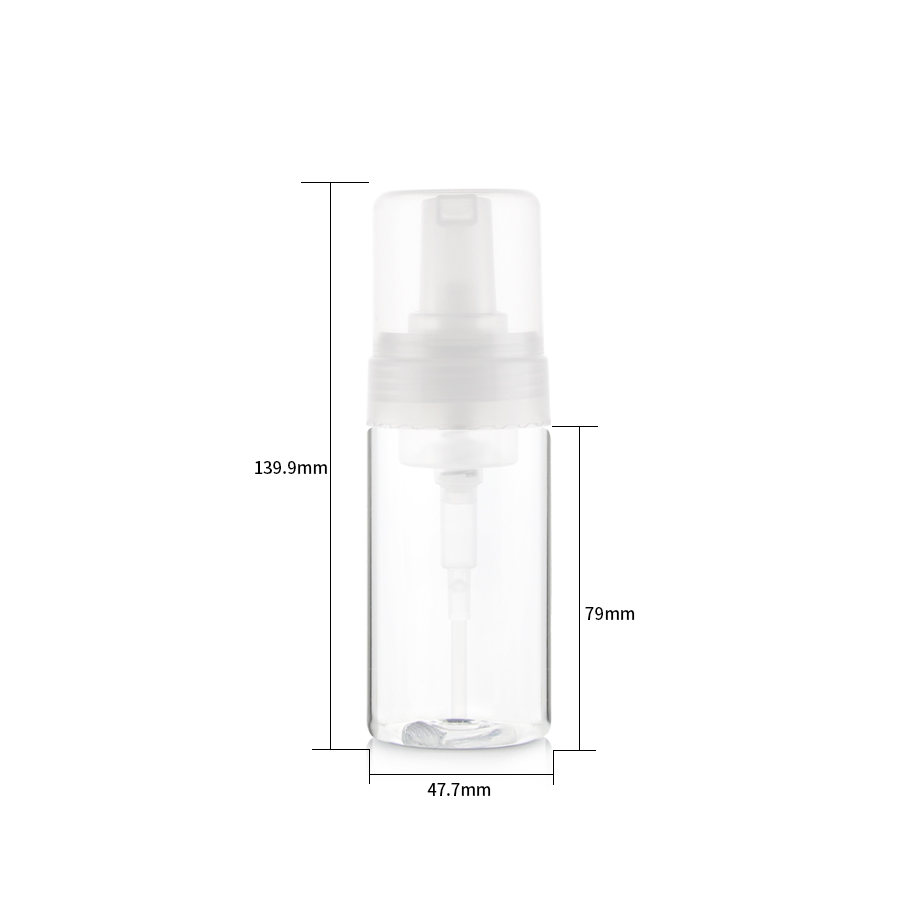
The foam bottle has become an indispensable component in modern household cleaning product packaging, transforming how consumers interact with cleaning solutions. A foam bottle is specifically designed to dispense a controlled amount of foaming cleaning agent, mixing air with the liquid concentrate to create an expanded foam that covers surfaces more effectively while using less product. Understanding how a foam bottle is applied in household cleaning foam product packaging is essential for manufacturers seeking to optimize product performance, reduce costs, and enhance consumer satisfaction. This comprehensive guide explores the practical applications, design considerations, and implementation strategies that make foam bottles an effective choice for cleaning product packaging.
The foam bottle mechanism operates through a simple yet effective principle where water and cleaning concentrate are mixed in precise ratios as the product is dispensed. When a consumer presses the pump mechanism on a foam bottle, it draws liquid from the reservoir and forces it through an internal mixing chamber where air is introduced, creating the characteristic foam texture. This foam bottle application in household cleaning foam product packaging delivers multiple benefits including reduced product consumption, improved coverage area, and enhanced user experience. The foam bottle design has proven particularly popular in markets where sustainability and cost-effectiveness are purchasing drivers.
Structural Design and Mechanical Function
Core Components of a Foam Bottle System
A foam bottle consists of several critical components that work together to deliver the foaming action that defines its performance in household cleaning foam product packaging. The pump head houses the pressurized spring mechanism that generates the force needed to dispense product, while the internal tube extends into the liquid reservoir to ensure consistent suction throughout the product lifecycle. The foam bottle's aerating chamber is the centerpiece where water and cleaning concentrate converge, introducing atmospheric air into the mixture at a controlled rate. The nozzle design on a foam bottle determines spray pattern consistency, with most household cleaning foam product packaging featuring a wide, even mist pattern that maximizes surface coverage. Understanding these components helps manufacturers select the right foam bottle for their specific cleaning formulation and target market requirements.
Material Selection and Durability Considerations
The foam bottle material composition directly impacts product shelf life, chemical compatibility, and consumer perception in household cleaning foam product packaging. Most modern foam bottle designs utilize high-density polyethylene or polypropylene for the main container body, chosen for their resistance to common cleaning chemicals including acids, bases, and surfactants. The foam bottle trigger mechanism often incorporates reinforced thermoplastic materials to withstand repeated use over months of product deployment. When selecting materials for a foam bottle in household cleaning foam product packaging, manufacturers must consider the specific pH range of their formulation, as certain cleaning agents can degrade lower-grade plastics. Premium foam bottle packaging options may include UV-resistant components to protect against degradation when products are displayed in retail environments with fluorescent or natural lighting.
Application Techniques and Implementation Strategies
Filling and Preparation Methods for Foam Bottle Systems
Implementing a foam bottle in household cleaning foam product packaging requires precise filling protocols to ensure consistent product performance across every unit produced. The foam bottle must be filled with a specific ratio of cleaning concentrate to water, typically ranging from 1:5 to 1:7 depending on the desired foam density and cleaning intensity. Manufacturers employing a foam bottle system must account for air chamber space within the container, as this void allows the foam bottle pump mechanism to function properly during the entire product usage period. Quality control procedures for foam bottle filling operations should include viscosity testing to verify that the concentrate flows freely through internal channels without clogging the aerating mechanism. Modern foam bottle production lines utilize automated filling equipment with level sensors to maintain consistent liquid fill heights, ensuring that every foam bottle performs identically when consumers begin using household cleaning foam product packaging.
Testing and Performance Optimization
A foam bottle requires rigorous testing protocols to validate performance consistency and reliability throughout the product's shelf life in household cleaning foam product packaging. Manufacturers should conduct foam density testing to measure the volume of foam produced per pump stroke, ensuring that the foam bottle delivers an economical dose that provides adequate surface coverage without excessive product waste. Spray pattern analysis for each foam bottle design helps identify any inconsistencies in mist distribution that could reduce cleaning effectiveness or create uneven application patterns. Durability testing of the foam bottle mechanism involves thousands of simulated pump cycles to detect any deterioration in spring tension, seal integrity, or aerating chamber function that might develop during extended consumer use. Chemical compatibility testing ensures that the specific cleaning formulation being packaged will not react with any foam bottle components, preventing premature degradation or contamination that could compromise product safety or efficacy.
Market Advantages and Consumer Adoption Drivers
Economic and Sustainability Benefits
The foam bottle has emerged as a preferred choice for household cleaning foam product packaging because it delivers significant economic advantages for both manufacturers and consumers. By incorporating air into the foam bottle dispensing mechanism, manufacturers can deliver equivalent cleaning performance using 20 to 40 percent less active cleaning concentrate per application compared to traditional liquid spray bottles. This reduced product consumption makes foam bottle-based household cleaning foam product packaging more attractive to environmentally conscious consumers seeking to minimize their ecological footprint and chemical usage. The foam bottle mechanism also reduces packaging waste on a per-application basis, as fewer refills are required when consumers use the foam bottle system for their regular cleaning tasks. Retailers appreciate foam bottle solutions because they occupy less shelf space while offering faster inventory turnover, making household cleaning foam product packaging with foam bottles a win for distribution channels across all retail segments.
Consumer Experience and Cleaning Performance
End-users consistently report higher satisfaction with household cleaning foam product packaging that features a foam bottle compared to traditional liquid spray alternatives. The foam bottle creates visible foam on surfaces, providing immediate visual confirmation that the cleaning agent has been applied, which enhances consumer confidence in product effectiveness. Foam bottle application ensures more uniform coverage across sink surfaces, bathroom tiles, and other household cleaning targets, as the foam bottle disperses product across a wider area per pump stroke compared to concentrated liquid spray. The reduced dripping and runoff associated with foam bottle dispensing means less product waste on floors and fewer slips hazards in bathrooms and kitchens where household cleaning foam product packaging is typically used. Parents and households with children particularly value foam bottle systems because the expanded foam is gentler on hands when children help with cleaning tasks, reducing the concentration of active cleaning agents in direct contact with skin.
FAQ
What cleaning formulations work best with foam bottle dispensing systems?
Foam bottle systems perform optimally with formulations that incorporate mild surfactants, citric acid or other safe acids for descaling, and essential oil-based fragrances that remain stable in diluted foam. Manufacturers should avoid using highly viscous concentrates or formulations containing thick thickening agents in their foam bottle products, as these ingredients can clog the aerating chamber and prevent proper foam bottle function. The ideal foam bottle concentrate maintains a pH between 3 and 11, falling within the tolerance range of most standard foam bottle materials used in household cleaning foam product packaging applications.
How does a foam bottle reduce environmental impact compared to traditional spray bottles?
A foam bottle minimizes environmental impact through reduced product consumption, as the foam bottle mechanism delivers 20 to 40 percent less concentrate per application than conventional spray bottles dispensing liquid solutions. This efficiency means fewer refills are needed annually, directly reducing plastic packaging waste generated from household cleaning foam product packaging. Additionally, foam bottle use decreases the volume of cleaning chemicals entering wastewater systems, as consumers apply less total product when using the foam bottle compared to traditional spray bottles for equivalent cleaning results.
What maintenance is required to keep a foam bottle functioning properly over extended use?
A foam bottle requires minimal maintenance, though periodic flushing with clean water through the foam bottle pump mechanism helps prevent concentrate residue buildup that could reduce aerating chamber efficiency. Users should ensure the air intake vent on the foam bottle remains unobstructed, as blockages prevent the foam bottle from drawing air necessary for proper foam generation. For household cleaning foam product packaging designed to last through multiple refill cycles, replacing the internal seals and spring components of the foam bottle pump every 12 to 18 months of regular use ensures continued optimal foam bottle performance and reliability.