
 EN

In high-volume commercial liquid packaging operations, the performance of a spray bottle becomes a critical factor in operational efficiency, product quality, and cost management. The spray bottle serves as more than a simple delivery mechanism; it functions as a precision tool that must withstand demanding production environments while maintaining consistent output and reliability. Understanding how a spray bottle performs under these conditions is essential for businesses that rely on rapid, accurate product dispensing across multiple applications.
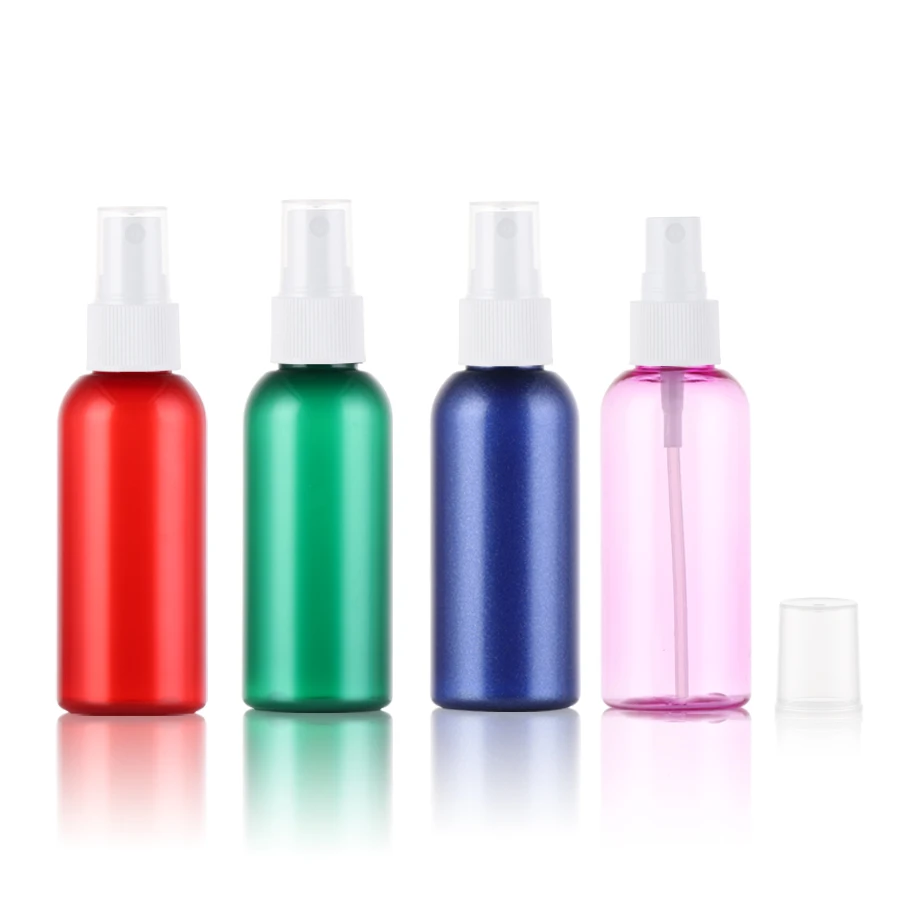
The spray bottle is engineered to deliver consistent, fine mist coverage while handling thousands of cycles per day in industrial settings. Commercial packaging operations demand spray bottles that can maintain accuracy, durability, and performance integrity throughout extended production runs. When selecting or evaluating a spray bottle for high-volume use, businesses must consider multiple performance dimensions including nozzle consistency, material resilience, trigger response, and long-term reliability under continuous operation.
Spray Bottle Mechanical Durability in Commercial Environments
Material Composition and Structural Integrity
High-volume commercial operations expose spray bottles to extreme mechanical stress that typical consumer products cannot withstand. The spray bottle must feature robust material construction, typically utilizing high-density polyethylene or polypropylene, to resist repeated compression cycles without cracking or warping. Industrial-grade spray bottles incorporate reinforced trigger mechanisms and strengthened pump housings designed to endure hundreds of thousands of actuations without performance degradation. The internal components of a spray bottle, including the piston rod, spring assemblies, and valve seats, must maintain their dimensional tolerances despite constant wear from rapid-fire dispensing cycles.
The spray bottle container itself requires exceptional wall thickness and structural design to prevent deformation during high-pressure liquid containment. In commercial packaging operations, containers filled with cleaning agents, disinfectants, or specialty liquids experience cumulative stress that can compromise inferior products. A premium spray bottle incorporates impact-resistant polymers and ergonomic design elements that distribute mechanical loads evenly, extending service life significantly beyond standard consumer alternatives. Testing for material compatibility is essential, as certain chemical formulations can degrade plastic components or cause seal degradation in lower-quality spray bottles.
Trigger and Pump System Performance
The trigger mechanism represents the most critical wear point in any spray bottle used in high-volume applications. A commercial-grade spray bottle features a precision-engineered trigger that delivers consistent resistance and smooth actuation across millions of cycles. The pump system within the spray bottle must generate sufficient pressure to atomize liquid into a fine, controlled mist while minimizing fatigue on the operator's hand. In packaging operations where workers may operate spray bottles for extended periods, trigger ergonomics and mechanical efficiency directly impact worker productivity and reduce repetitive strain injuries.
The internal pump of a spray bottle contains multiple precision components including intake tubes, discharge tubes, check valves, and atomizing nozzles that work in synchronized harmony. Each component of the spray bottle pump system must tolerate chemical exposure without swelling, hardening, or losing elasticity. High-volume commercial spray bottles incorporate advanced valve design that prevents backflow, eliminates siphoning, and maintains consistent spray patterns even after prolonged use. Regular maintenance and component replacement protocols for spray bottles become essential in industrial environments where downtime directly impacts production schedules.
Spray Bottle Output Consistency and Precision in Production
Nozzle Performance and Spray Pattern Control
The nozzle of a spray bottle determines application accuracy, coverage uniformity, and product consistency in high-volume packaging operations. Commercial spray bottles must deliver uniform droplet size and spray angle across the entire operational range of the container, from full to nearly empty. The spray bottle nozzle undergoes rapid clogging risks from mineral deposits, chemical residues, or particulates suspended in packaged liquids. Advanced spray bottle designs incorporate self-cleaning nozzle features, removable tip assemblies, and internal filter systems that maintain consistent performance throughout extended production cycles.
In commercial liquid packaging, the spray bottle serves quality control functions by enabling workers to apply products with precision and consistency. The spray bottle must produce droplets within a specific size range to meet product application standards and customer expectations. Variations in spray bottle nozzle performance can result in product waste, inconsistent application, and potential quality issues that compromise brand reputation. High-performance spray bottles undergo rigorous testing to ensure nozzle consistency across pressure variations, temperature fluctuations, and extended storage periods.
Pressure Maintenance and Liquid Delivery
Maintaining stable internal pressure is fundamental to spray bottle performance in commercial operations that demand consistent output. The spray bottle reservoir must create and maintain sufficient pressure differential to propel liquid through the nozzle as a fine mist rather than irregular streams. As liquid levels decrease within the spray bottle, pressure dynamics change, requiring the pump mechanism to compensate automatically. Industrial packaging operations often utilize large-capacity spray bottles or multi-unit dispensing systems where a spray bottle's ability to maintain consistent pressure across the entire liquid volume becomes critical for product consistency.
The spray bottle valve system includes check valves and sealing surfaces that must prevent pressure loss while allowing smooth, controllable liquid flow. Temperature variations common in industrial facilities can affect the air density within a spray bottle, potentially compromising pressure stability. Commercial-grade spray bottles incorporate precision-engineered seals and valve components manufactured to exacting tolerances that ensure pressure consistency even across challenging environmental conditions. Worker training regarding proper spray bottle operation—including technique, refilling procedures, and maintenance—significantly impacts the realized performance benefits in high-volume packaging environments.
Spray Bottle Reliability and Operational Efficiency
Maintenance Requirements and Lifecycle Cost
The total cost of ownership for a spray bottle in high-volume commercial operations extends beyond the initial purchase price to include maintenance, component replacement, and potential downtime costs. Industrial spray bottles designed for continuous operation require scheduled maintenance protocols that include nozzle cleaning, seal inspection, and pressure verification. The spray bottle investment decision should account for replacement intervals, component availability, and supplier support quality. Facilities managing large numbers of spray bottles benefit from standardized models that simplify inventory management and ensure component interchangeability across production areas.
The spray bottle reliability directly impacts production scheduling and worker efficiency in high-volume operations. Frequent malfunctions, inconsistent performance, or premature failure of commercial spray bottles create operational disruptions that extend beyond simple replacement costs. Strategic selection of premium-quality spray bottles reduces reactive maintenance incidents and enables predictive maintenance scheduling that minimizes production interruption. Organizations implementing robust spray bottle management programs track performance metrics, failure patterns, and component longevity to optimize procurement decisions and operational efficiency across their packaging facilities.
Scalability and Integration with Production Systems
High-volume commercial packaging operations often integrate spray bottles into automated or semi-automated production systems where performance consistency becomes paramount. The spray bottle must maintain reliable performance when operated by automated dispensing equipment, human operators, or hybrid systems combining both approaches. Integration of precision spray bottles into production workflows enables consistent product application, faster cycle times, and reduced labor requirements per unit processed. The spray bottle selected for integration must communicate its performance characteristics clearly through standardized specifications including flow rates, pressure requirements, and nozzle geometry compatibility.
As packaging operations scale to meet increased demand, spray bottle selection becomes more strategic and performance-critical. Bulk purchasing of standardized spray bottles provides cost advantages while ensuring uniform performance across production lines. The spray bottle supplier's technical support, quality consistency, and product development responsiveness become increasingly important for large-volume commercial accounts. Organizations evaluating spray bottles for high-volume deployment should conduct pilot testing with representative production batches to validate real-world performance before committing to full-scale deployment across their operations.
FAQ
What spray bottle specifications matter most in high-volume commercial packaging?
The most critical spray bottle specifications include trigger mechanism durability, nozzle consistency across the full container range, material chemical compatibility, and pressure stability. In commercial operations, spray bottles must deliver millions of cycles reliably, so trigger responsiveness, pump component quality, and seal longevity directly impact operational success. Additionally, spray bottle capacity should match your production line requirements, and nozzle design should produce the specific droplet pattern required for your packaged liquid application. Purchasing specifications for spray bottles should require independent testing documentation demonstrating performance consistency across full operational ranges.
How frequently should spray bottles be replaced in industrial packaging operations?
Replacement frequency for spray bottles depends on usage intensity, chemical exposure, maintenance protocols, and component quality. A high-quality spray bottle in typical commercial operations may perform reliably for 6 to 12 months of continuous use, though some components like nozzles or seals may require replacement more frequently. Facilities tracking spray bottle performance metrics can develop data-driven replacement schedules that balance cost control with reliability requirements. Establishing relationships with spray bottle suppliers who provide maintenance support and component replacement programs helps optimize lifecycle economics while ensuring consistent production quality.
Can standard consumer spray bottles perform adequately in high-volume commercial operations?
Consumer-grade spray bottles lack the mechanical durability, pressure consistency, and performance reliability required for high-volume commercial packaging operations. A spray bottle designed for household use typically fails after thousands of cycles, while industrial spray bottles withstand millions of actuations without significant performance degradation. Commercial spray bottles incorporate superior materials, precision engineering, and rigorous quality control that justify premium pricing through extended service life and operational reliability. Attempting to operate consumer spray bottles in industrial environments typically results in frequent failures, production downtime, and ultimately higher total costs compared to investing in proper industrial-grade spray bottles.