
 EN
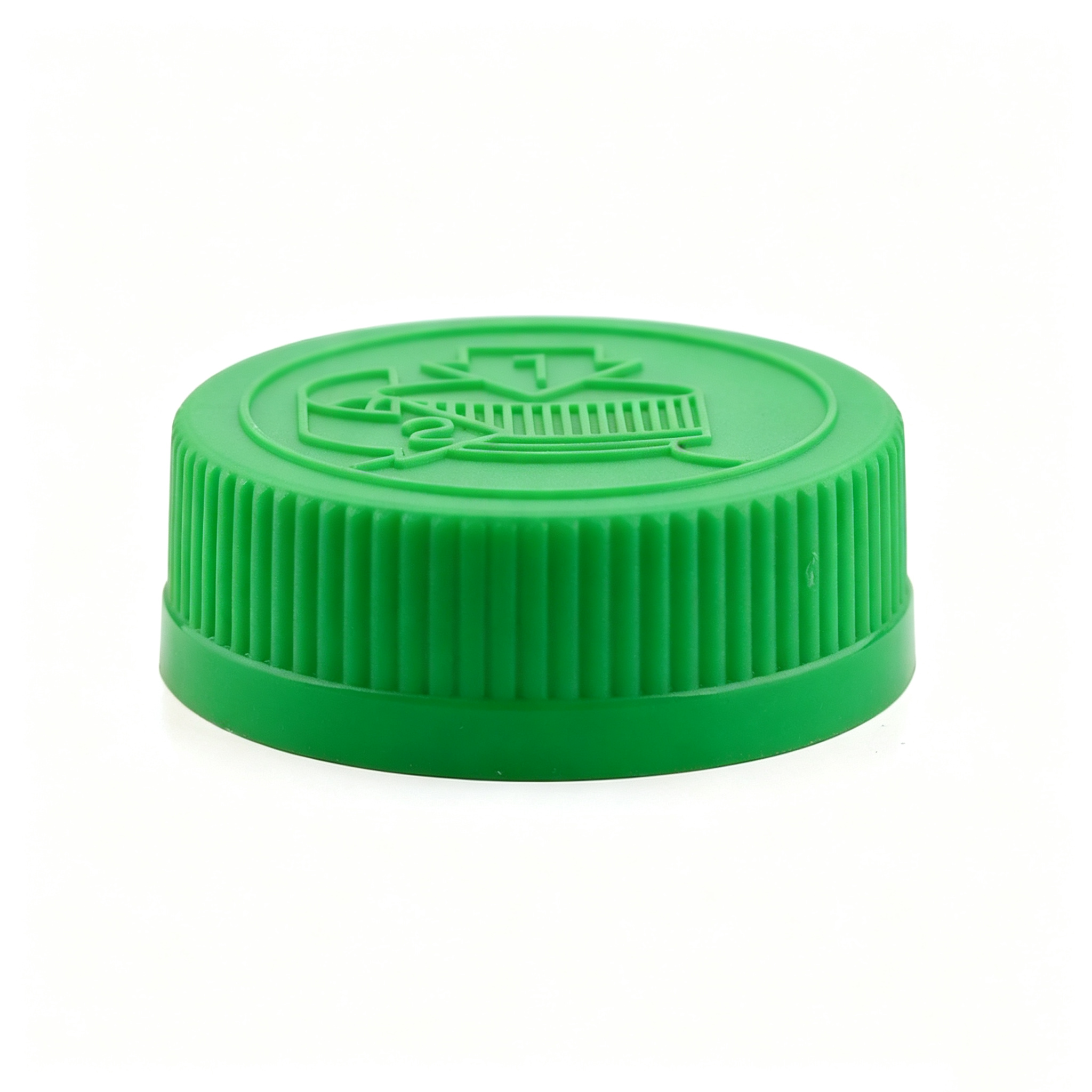
Long-term storage protection remains one of the most critical challenges in packaging sensitive products across pharmaceuticals, cosmetics, chemicals, and food industries. A crc cap represents a proven sealing solution designed to maintain product integrity over extended storage periods. The question many manufacturers ask is whether a crc cap can truly deliver the protection level required for sensitive items that demand airtight conditions, moisture resistance, and tamper evidence. Understanding the capabilities and limitations of a crc cap helps businesses make informed decisions about packaging investments that directly impact product shelf life, regulatory compliance, and customer satisfaction.
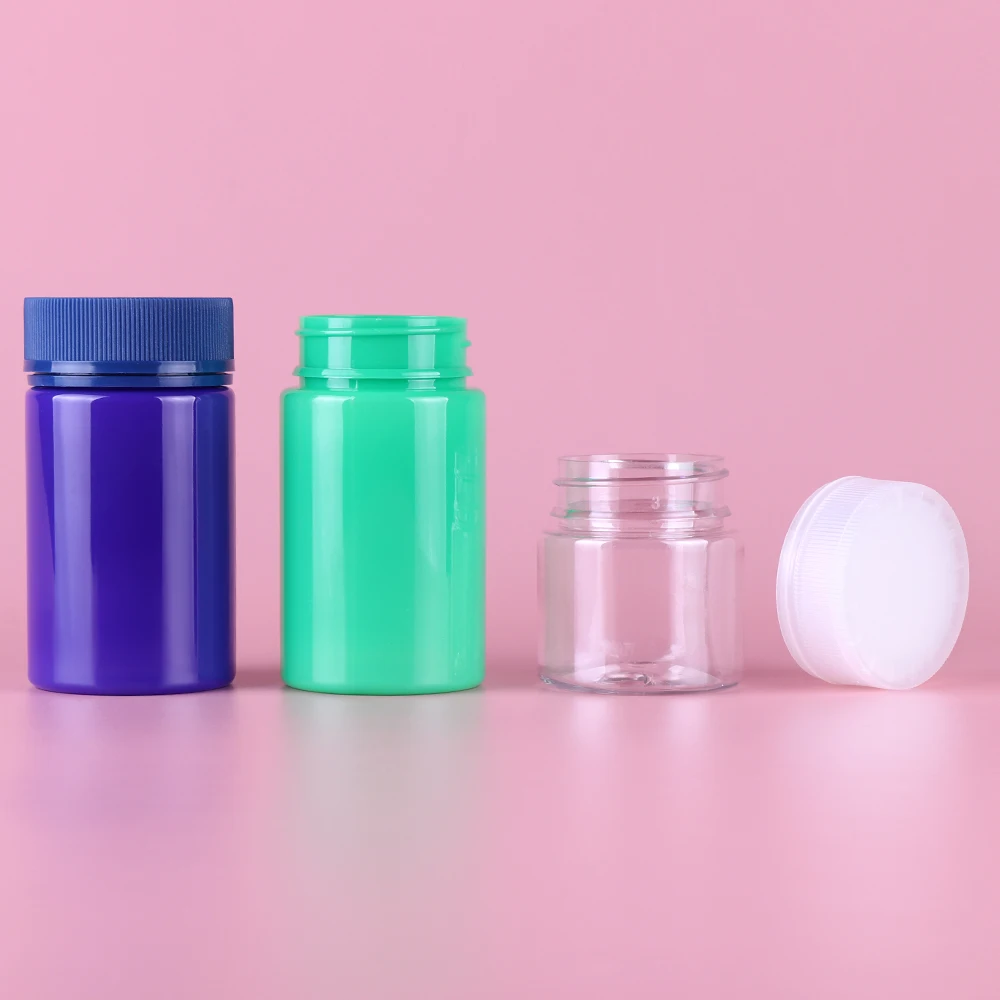
The answer is affirmative, though success depends on selecting the right crc cap specification, quality standard, and application methodology. A properly manufactured crc cap provides sealed containment that protects products from environmental exposure, oxygen ingress, moisture penetration, and microbial contamination. When integrated into a comprehensive packaging strategy that considers container material compatibility, storage conditions, and regulatory requirements, a crc cap becomes a cornerstone of effective long-term storage protection.
How CRC Cap Design Supports Extended Storage Life
Sealing Mechanism and Barrier Properties
A crc cap functions through a child-resistant and tamper-evident locking mechanism combined with an induction seal or foam liner that creates a hermetic barrier. The crc cap design ensures that once sealed, the container remains isolated from external environmental factors that degrade product quality. The inner sealing surface of a crc cap must maintain consistent contact with the container opening to prevent micro-gaps where air, moisture, or contaminants could enter. When manufactured to ISO and FDA standards, a crc cap delivers gas transmission rates and moisture vapor transmission rates that meet pharmaceutical and cosmetic storage requirements.
The structural integrity of a crc cap directly influences its long-term performance. A high-quality crc cap resists creep, stress relaxation, and material embrittlement that naturally occur over months or years of storage. The resin composition, wall thickness, and thread geometry of a crc cap all contribute to its ability to maintain sealing pressure without deformation. Materials like polypropylene used in premium crc cap production resist environmental stress cracking and maintain their barrier properties across wide temperature ranges typical of warehouses and retail environments.
Environmental Protection During Storage
Products stored with a crc cap remain protected from light exposure, oxygen absorption, and humidity fluctuations that commonly compromise sensitive formulations. Vitamins, oils, active pharmaceutical ingredients, and volatile chemicals all benefit from the environmental barrier that a crc cap provides. The closed system created by a crc cap prevents both product loss through evaporation and unwanted gain of moisture or air. For temperature-controlled environments, a crc cap maintains its sealing effectiveness without cracking or warping, while specialized crc cap variants can tolerate thermal cycling in cold storage or refrigerated applications.
Material Compatibility and Regulatory Alignment for CRC Cap Selection
Container-Cap Interaction and Chemical Stability
The interaction between container material and a crc cap liner material is fundamental to long-term storage success. When a crc cap sits atop a polypropylene, glass, or PET container, the sealing surface must remain chemically compatible with the specific product stored inside. Certain aggressive solvents, essential oils, or concentrated chemicals may interact with the liner material of a crc cap, compromising the seal over time. Selecting a crc cap with the appropriate liner—whether polyethylene, foam, or specialized polymer formulations—ensures that both the cap and container remain stable throughout the entire shelf life period.
Pharmaceutical and cosmetic manufacturers must validate container-closure systems that include their chosen crc cap model. This validation process confirms that a crc cap maintains its barrier properties without leachates migrating into the product or vice versa. Documentation of a crc cap compatibility testing becomes essential for regulatory submissions to health authorities worldwide. A properly selected crc cap eliminates the risk of unexpected interactions that could render an expensive batch of sensitive product unusable.
Standards Compliance and Quality Assurance
Regulatory bodies including the FDA, EMA, and various pharmacopoeias specify requirements for closures used in product packaging. A crc cap meeting USP, EP, and FDA guidelines ensures that manufacturers maintain compliance for pharmaceutical, nutraceutical, and OTC products. These standards address crc cap materials, dimensions, performance testing, and safety criteria that protect consumers and ensure product efficacy. A crc cap from certified suppliers includes documentation of material certificates of analysis, microbial testing, and closure integrity validation.
Quality assurance protocols for a crc cap involve testing batch consistency, dimensional accuracy, and sealing performance across production runs. Manufacturers implementing statistical process control on their crc cap production ensure that every unit meets specification for pressure retention, torque values, and induction seal quality. When a crc cap undergoes third-party validation and carries certifications such as ISO 9001 or pharmaceutical-specific quality approvals, buyers gain confidence in long-term storage protection capability.
Practical Implementation and Performance Monitoring for Long-Term Protection
Proper Application Techniques and Storage Conditions
Installing a crc cap correctly is essential to realizing its protective potential during long-term storage. The container opening must be clean and free of contaminants before a crc cap is applied to ensure optimal seal formation. Torque specifications for a crc cap differ based on container size, material, and design; applying proper torque prevents both under-sealing that compromises barrier function and over-sealing that can crack the container. Temperature during crc cap application influences sealing quality, as cooler conditions allow adhesives and foam liners to cure properly before products encounter storage conditions.
Storage environment management amplifies the protective benefits of a crc cap by reducing external stresses on the seal. Products stored at controlled temperature, moderate humidity, and protection from direct sunlight perform better when sealed with a crc cap than those exposed to temperature cycling or high humidity. Warehousing practices that maintain stable conditions allow a crc cap to sustain its barrier integrity without accelerated material degradation. The investment in environmental controls works synergistically with a crc cap's properties to extend shelf life measurably.
Stability Testing and Performance Validation
Manufacturers of sensitive products conduct accelerated and real-time stability studies to validate that a crc cap maintains product protection over claimed shelf life periods. These studies measure residual moisture, headspace oxygen content, and product degradation markers at defined intervals, confirming that a crc cap preserves product integrity. Stability data demonstrates whether a crc cap selected for specific products delivers the protection required by regulatory agencies and customer specifications. A crc cap that consistently maintains closure integrity through the full storage period justifies the investment in premium sealing technology.
Periodic audits of stored products sealed with a crc cap reveal whether environmental factors, material interactions, or manufacturing variations have affected long-term performance. Visual inspection for a crc cap discoloration, warping, or liner deterioration provides early warning of potential seal failure. These quality monitoring practices ensure that a crc cap continues to perform as designed throughout the product lifecycle, protecting brand reputation and regulatory standing.
FAQ
Can a CRC cap prevent oxygen ingress in sensitive pharmaceutical formulations?
Yes, a crc cap with an appropriate induction seal or foam liner creates a barrier that significantly reduces oxygen transmission rates to levels acceptable for pharmaceutical stability. The effectiveness of a crc cap depends on proper application, material compatibility with the product, and storage conditions. Stability testing validates that a crc cap maintains oxygen barrier properties throughout the claimed shelf life for specific formulations.
What shelf life extension can businesses expect by using a CRC cap for long-term storage?
The shelf life extension achieved with a crc cap varies by product type, storage conditions, and the specific quality of the cap selected. Comparing sealed products protected by a crc cap against unsealed or poorly sealed alternatives typically demonstrates 12 to 36 months of additional stability, depending on product sensitivity. A crc cap's contribution to shelf life must be validated through stability testing rather than assumed, as regulatory approval requires demonstrable evidence.
How do CRC cap costs compare to benefits in sensitive product packaging?
While a crc cap represents a higher per-unit cost than basic closures, the long-term value justifies the investment through extended shelf life, reduced product loss, fewer recalls, and maintained regulatory compliance. When sensitive products represent high-value inventory, protection provided by a crc cap prevents degradation losses that would exceed closure costs many times over. The crc cap cost amortized across the extended shelf life makes it an economically sound packaging decision.