
 EN
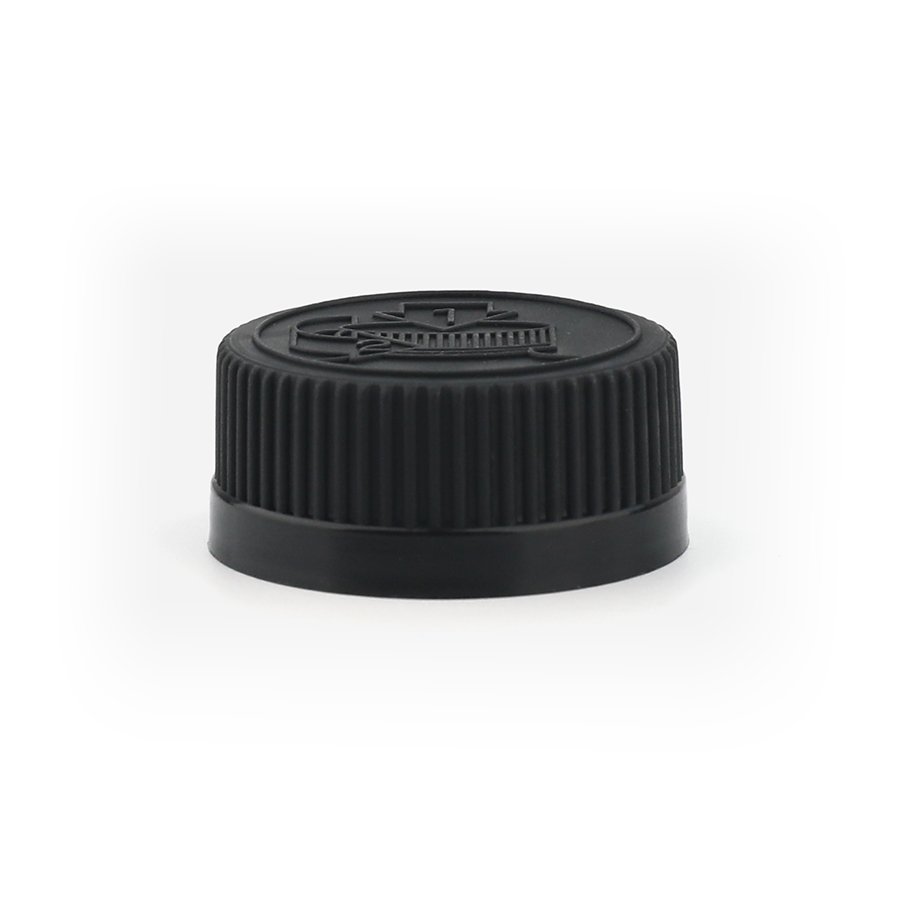
The pharmaceutical packaging industry faces mounting pressure to balance safety, compliance, and cost efficiency. For OEM manufacturers, selecting the right closure solution directly impacts product integrity, regulatory adherence, and customer satisfaction. One solution that has gained considerable attention is the crc cap, or child-resistant closure cap, which promises enhanced protection for pharmaceutical products. But does a crc cap truly deliver the effectiveness that manufacturers need, and under what conditions does it excel? Understanding the practical performance of a crc cap in real-world OEM manufacturing environments is essential before committing to this closure technology.
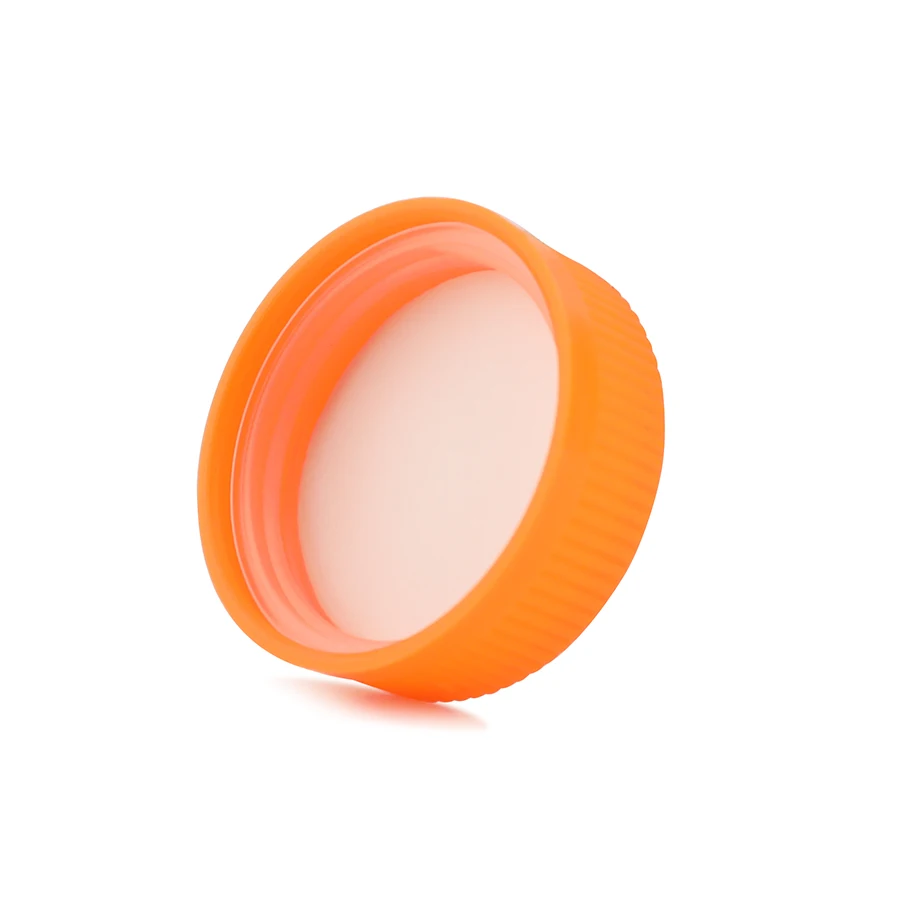
The effectiveness of a crc cap extends far beyond simple child-resistant mechanics. A well-engineered crc cap provides multiple protective layers: tamper evidence, moisture barrier integrity, precise closure consistency, and regulatory compliance across international markets. For OEM pharmaceutical manufacturers, the decision to integrate a crc cap into their packaging line represents a strategic investment that influences production workflow, supply chain logistics, shelf-life performance, and end-user experience. This article examines whether a crc cap delivers genuine, measurable effectiveness for OEM pharmaceutical packaging operations.
Core Effectiveness Factors for CRC Cap Performance
Regulatory Compliance and Child Safety Standards
The primary purpose of a crc cap is to meet regulatory child-resistant packaging requirements established by authorities such as the FDA, European Medicines Agency, and national pharmaceutical bodies. A properly designed crc cap must pass rigorous testing protocols that evaluate whether children under five years old can open the package within a specific timeframe. Simultaneously, a crc cap must remain user-friendly for adults and elderly patients who need reliable, consistent access to their medications. OEM manufacturers benefit from a crc cap because it provides documented compliance evidence, reducing legal liability and ensuring market access across regulated territories. Without an effective crc cap that passes certification testing, pharmaceutical products face rejection, regulatory penalties, and potential market withdrawal. The compliance layer of a crc cap directly translates into market eligibility and risk mitigation for OEM operations.
Tamper Evidence and Product Integrity
Beyond child resistance, a crc cap serves a critical tamper-evidence function that protects product integrity throughout the supply chain. An effective crc cap incorporates visual or mechanical indicators that make unauthorized opening immediately apparent to consumers and healthcare professionals. This dual-purpose design means a crc cap simultaneously addresses child safety while providing supply-chain security. For OEM pharmaceutical manufacturers, integrating a crc cap that combines both functions eliminates the need for separate tamper-evident labels or additional closure components, streamlining production and reducing material costs. The integrated protection that a crc cap provides directly reduces contamination risk, improves customer confidence, and supports OEM manufacturers' warranty and liability positions. Product recalls or contamination incidents become measurably less likely when a crc cap delivers both child resistance and tamper evidence simultaneously.
Practical Manufacturing Considerations and CRC Cap Integration
Production Line Compatibility and Speed
An effective crc cap must perform reliably on high-speed OEM manufacturing lines without causing bottlenecks, mechanical failures, or inconsistent closure quality. When a crc cap is poorly designed or mismatched to production equipment, OEM manufacturers experience increased downtime, quality variance, and labor costs that offset any safety benefits. A well-engineered crc cap threads smoothly onto standardized bottle necks, maintains consistent torque application, and resists jamming or cross-threading during automated capping processes. OEM manufacturers must verify that their chosen crc cap is compatible with existing equipment specifications or budget for machinery upgrades. The practical effectiveness of a crc cap depends directly on seamless integration with production infrastructure; a crc cap that causes line slowdowns, rejects, or rework represents poor value regardless of its safety features. Testing a crc cap prototype on your production line before full commitment is essential to assess real-world manufacturing compatibility.
Moisture Barrier and Shelf-Life Extension
Modern formulations of a crc cap incorporate advanced materials and double-layer designs that provide superior moisture barriers compared to conventional closures. This moisture protection is particularly critical for hygroscopic pharmaceuticals, powders, and effervescent formulations that degrade rapidly when exposed to humidity. An effective crc cap extends shelf-life duration, reduces product loss during storage, and provides stability documentation that supports regulatory dossier submissions. For OEM manufacturers, longer shelf-life directly increases product marketability in extended distribution channels, international markets, and institutional healthcare settings where inventory turnover is slower. A crc cap that fails to maintain moisture barriers forces shorter expiration periods, reduces market reach, and increases waste from expired stock. The barrier performance of a crc cap therefore carries direct financial implications for OEM manufacturers' profitability and market competitiveness.
Real-World Effectiveness Outcomes for OEM Operations
Cost-Benefit Analysis and Return on Investment
Transitioning to a crc cap requires upfront investment in tooling modifications, staff training, and potentially new capping equipment. OEM manufacturers must balance this capital expenditure against tangible benefits including regulatory compliance achievement, recall risk reduction, extended shelf-life value, and market access expansion. In markets where child-resistant closure regulations are mandatory, a crc cap becomes a non-negotiable cost of market entry rather than an optional investment. For OEM manufacturers in jurisdictions without strict regulations, adopting a crc cap represents a competitive differentiation strategy that appeals to safety-conscious customers and institutional buyers. The return on investment from a crc cap typically manifests through reduced regulatory barriers, lower insurance and liability costs, improved customer retention, and premium pricing capability. Most OEM manufacturers achieve positive ROI within 12 to 24 months after implementing a well-matched crc cap solution, particularly when serving regulated markets or high-value pharmaceutical segments.
Market Competitiveness and Customer Expectations
In contemporary pharmaceutical markets, customers increasingly expect child-resistant closures as a baseline safety standard regardless of regulatory mandates. OEM manufacturers who proactively implement a crc cap demonstrate commitment to consumer safety and position themselves favorably against competitors using conventional closures. Customers in institutional healthcare, pharmacy chains, and consumer-focused segments frequently specify crc cap requirements in purchasing agreements, making this closure type essential for winning contracts. An effective crc cap enables OEM manufacturers to access premium market segments, negotiate better terms with distributors, and build brand reputation for safety-conscious operations. Conversely, OEM manufacturers who rely exclusively on non-compliant closures face shrinking market opportunities, customer rejection, and eventual commoditization. The competitive advantage derived from adopting a quality crc cap translates into customer loyalty, contract wins, and long-term market positioning that extends beyond any single product cycle.
FAQ
What makes a crc cap genuinely effective versus simply meeting minimum standards?
True effectiveness of a crc cap combines certified child-resistant performance, reliable tamper evidence, robust moisture barriers, seamless manufacturing integration, and consistent quality across production runs. A crc cap that meets minimum regulatory thresholds but causes production delays, variable torque application, or material brittleness falls short of genuine effectiveness. OEM manufacturers should evaluate a crc cap based on third-party certification status, actual production testing results, shelf-life data validation, and customer feedback rather than marketing claims alone. Effectiveness requires holistic performance across safety, manufacturing, logistics, and end-user experience dimensions.
How does a crc cap impact overall packaging cost for OEM manufacturers?
While a crc cap typically costs 15 to 40 percent more per unit than conventional closures, the total packaging cost impact depends on volume, material specifications, and market premiums. OEM manufacturers often recover this cost differential through extended shelf-life value, reduced regulatory compliance expenses, improved customer retention, and premium pricing in regulated segments. For high-volume operations, per-unit cost reduction through economies of scale makes a crc cap competitive with conventional alternatives while delivering superior performance. Cost analysis should include indirect benefits such as reduced recall risk, insurance savings, and market access expansion rather than focusing solely on unit price.
Can a crc cap solution be customized for specific pharmaceutical product types?
Yes, modern crc cap manufacturing allows customization in diameter, height, material composition, thread pattern, and closure mechanism to match specific bottle types, viscosity requirements, and dispensing methods. OEM manufacturers can work with closure suppliers to develop a crc cap specification that balances child-resistance certification, product compatibility, shelf-life requirements, and production line integration. Customization timelines typically range from 6 to 12 weeks depending on complexity, so early engagement with suppliers is essential for product development planning. A tailored crc cap solution delivers superior effectiveness compared to generic off-the-shelf options because it addresses product-specific protection and handling requirements.