
 EN
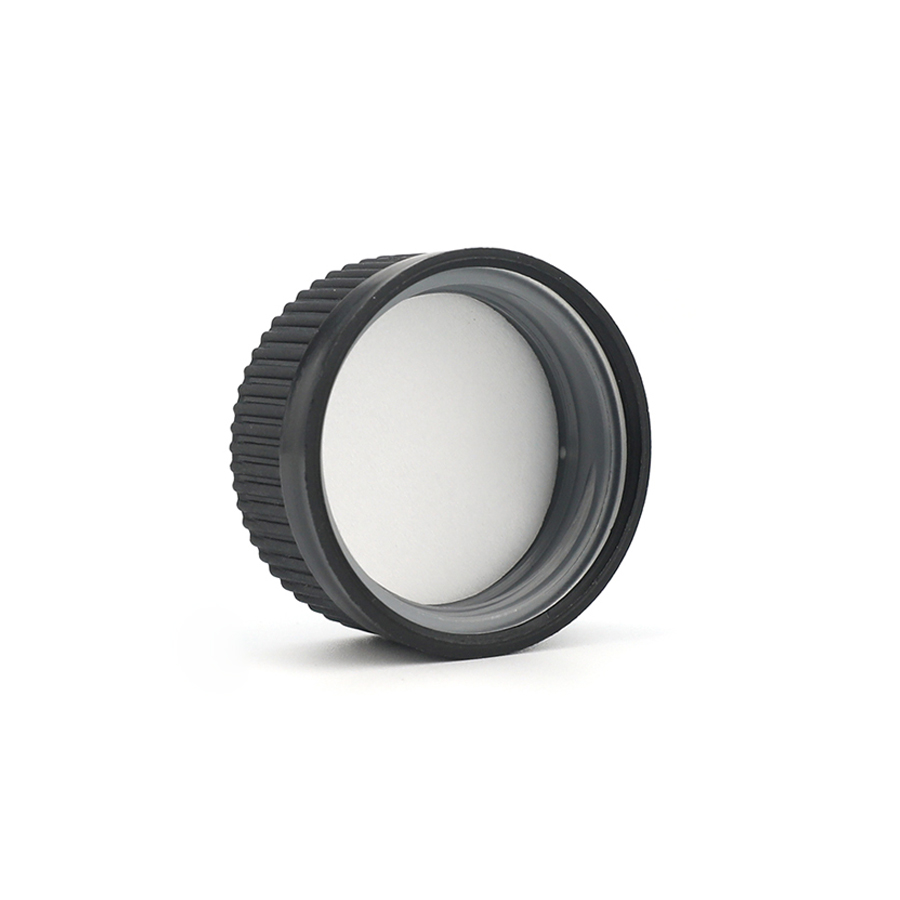
Commercial packaging demands reliable sealing solutions that protect product integrity while meeting regulatory compliance standards. The crc cap has emerged as a critical component in modern packaging design, specifically engineered to enhance leak resistance across pharmaceuticals, cosmetics, and industrial applications. Understanding how crc cap technology functions and its impact on container performance is essential for businesses seeking to minimize product loss, reduce waste, and maintain customer satisfaction in competitive markets.
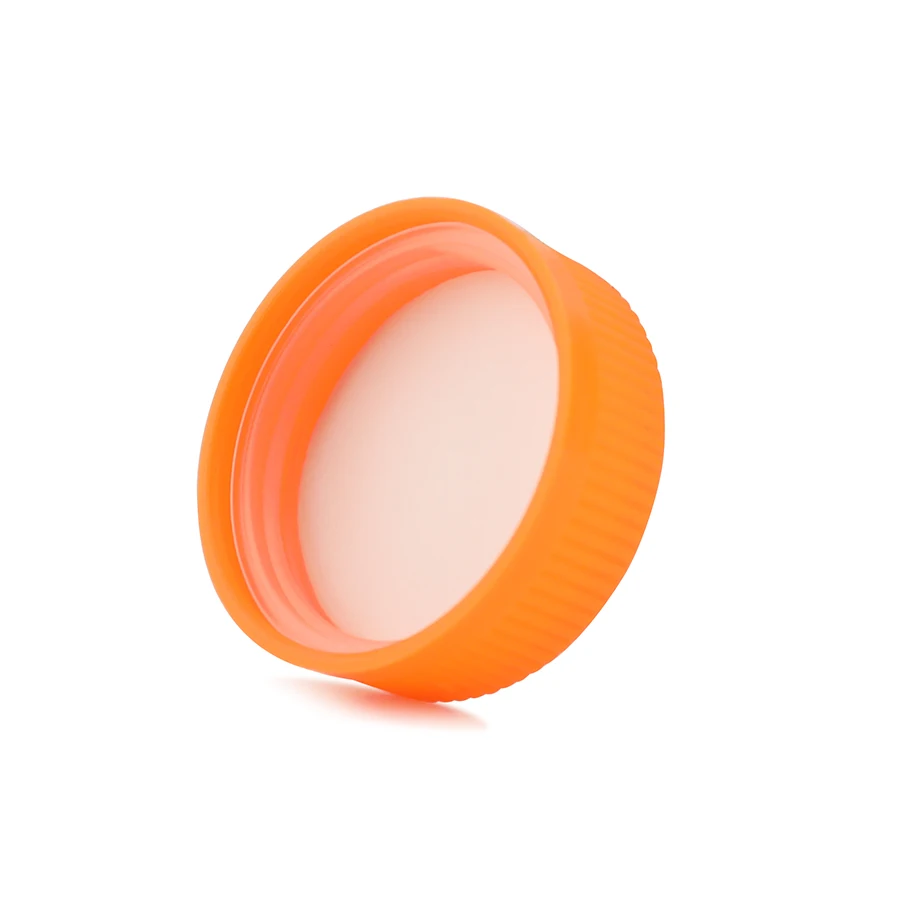
A crc cap represents a dual-layer closure system combining child-resistant mechanisms with advanced sealing geometry. The crc cap design prioritizes both safety and performance, making it the preferred choice for regulated industries where leak prevention directly affects profitability and brand reputation. Commercial packaging applications benefit significantly from crc cap integration, as the technology reduces evaporation, prevents contamination, and extends shelf life across diverse product categories.
How CRC Cap Design Enhances Sealing Performance
Dual-Layer Architecture and Material Science
The crc cap employs a sophisticated two-layer construction that fundamentally improves leak resistance compared to traditional single-layer closures. The outer layer provides structural rigidity and child-resistant functionality, while the inner sealing layer creates a hermetic barrier against moisture, oxygen, and volatile compound escape. This crc cap design innovation allows manufacturers to maintain product quality while simultaneously satisfying child safety regulations, eliminating the need for separate safety and sealing components.
Material selection within crc cap manufacturing directly influences sealing performance and long-term durability. High-density polyethylene and polypropylene compounds used in premium crc cap production offer superior chemical resistance, temperature stability, and compression recovery. The crc cap's ribbed surface pattern enhances grip while the internal gasket material ensures consistent sealing pressure across thousands of open-close cycles, maintaining leak resistance throughout the product's shelf life.
Sealing Mechanism and Compression Dynamics
The crc cap sealing mechanism relies on controlled compression force that creates an airtight seal between the cap and container threads. When properly manufactured, a crc cap compresses the gasket material uniformly, preventing micro-gaps where leakage could initiate. This crc cap compression consistency is critical in pharmaceutical applications where even minimal evaporation can compromise product efficacy and shelf-life claims.
Temperature fluctuations and humidity exposure challenge traditional closures, but the crc cap's engineering accounts for material expansion and contraction cycles. The crc cap design maintains seal integrity across storage temperature ranges from minus five to fifty degrees Celsius, preventing the gasket relaxation that typically leads to gradual leakage in inferior closure systems. This thermal stability makes crc cap technology ideal for products transported through multiple climate zones and stored in varied environmental conditions.
Commercial Packaging Applications and Industry Performance
Pharmaceutical and Nutraceutical Sector Benefits
Pharmaceutical manufacturers rely on crc cap closures to protect sensitive formulations from atmospheric exposure and microbial contamination. The crc cap's child-resistant mechanism satisfies federal safety requirements while the superior sealing performance preserves medication stability, preventing active ingredient degradation that can render products ineffective or unsafe. Crc cap integration in pharmaceutical packaging reduces loss-on-drying concerns and enables manufacturers to extend expiration dating, directly improving product economics and reducing waste disposal costs.
Nutraceutical products including vitamins, minerals, and dietary supplements demand extended shelf life without refrigeration. The crc cap technology excels in these applications by preventing moisture ingress that could trigger caking, clumping, or oxidation of sensitive ingredients. Manufacturers using crc cap closures report measurably lower product returns due to moisture-related quality degradation, demonstrating the business value of investing in superior sealing technology.
Cosmetic and Personal Care Applications
Cosmetic formulations containing volatile essential oils, fragrances, and active botanicals require exceptional leak resistance to prevent product separation and aroma loss. The crc cap design addresses these challenges by maintaining hermetic sealing that protects product integrity during retail distribution and consumer storage. Crc cap usage in cosmetic packaging reduces the frequency of damaged shipments and customer complaints related to leakage or evaporation.
Personal care products including lotions, serums, and therapeutic creams benefit from crc cap closure technology that prevents both leakage during transport and oxidative degradation during storage. The crc cap's waterproof design eliminates the risk of water contamination that could compromise formulation stability or support microbial growth. This performance advantage makes crc cap closures increasingly standard in premium cosmetic lines where brand reputation and customer satisfaction justify higher closure costs.
Regulatory Compliance and Quality Assurance Considerations
Child-Resistant Certification and Safety Standards
The crc cap designation specifically denotes child-resistant closure technology that meets rigorous safety testing protocols established by regulatory bodies including the Consumer Product Safety Commission. Every crc cap manufactured for commercial markets must demonstrate compliance with specific mechanical resistance and opening force requirements that prevent accidental child access. This crc cap certification ensures products meet legal mandates while the integrated sealing performance provides secondary benefits that enhance product protection and shelf stability.
Testing protocols for crc cap closures include leak resistance verification at various temperature and humidity conditions, ensuring that child-resistant mechanisms don't compromise sealing performance. Manufacturers implementing crc cap technology gain assurance that their products simultaneously satisfy safety regulations and performance expectations, streamlining compliance documentation and reducing regulatory risk. The crc cap's dual functionality eliminates conflicts between safety requirements and product protection objectives.
Quality Control and Performance Metrics
Industrial quality assurance programs for crc cap closures employ multiple testing methodologies to verify consistent sealing performance across production batches. Leak testing procedures measure water vapor transmission rates, oxygen ingress, and volatile organic compound retention, confirming that crc cap samples maintain sealed integrity under accelerated storage conditions. These crc cap performance metrics directly correlate with product shelf life predictions and consumer satisfaction outcomes.
Manufacturers implementing crc cap closures benefit from established quality benchmarks and industry standards that simplify verification processes and reduce testing complexity. The crc cap's standardized specifications enable manufacturers to confidently predict packaging performance, plan distribution logistics, and manage inventory with greater precision. Consistent crc cap quality across production runs minimizes costly product recalls and warehouse adjustments triggered by unexpected leakage or contamination events.
FAQ
What specific industries benefit most from crc cap technology in commercial packaging?
Pharmaceutical, nutraceutical, cosmetic, and personal care industries derive substantial benefits from crc cap closure integration. Pharmaceutical applications particularly value crc cap technology because child-resistant mechanisms combine seamlessly with hermetic sealing requirements. Chemical manufacturers and agricultural product suppliers also leverage crc cap performance to protect volatile compounds from evaporation and oxidative degradation during extended storage periods.
How does crc cap design compare to traditional threaded closures in terms of leak resistance performance?
Crc cap closures outperform standard threaded caps through superior gasket materials, optimized compression geometry, and dual-layer architecture that creates more consistent sealing contact. Traditional closures rely on simple compression between cap and container rim, while crc cap technology incorporates specifically engineered sealing surfaces and materials designed to accommodate temperature fluctuations and repeated opening cycles without performance degradation. Testing data consistently demonstrates that crc cap closures reduce water vapor transmission rates by thirty to fifty percent compared to conventional alternatives.
Are crc cap closures suitable for products requiring extended refrigeration or freezing?
Yes, crc cap technology performs reliably across extended temperature ranges including refrigeration and freezer environments. The crc cap's material formulation maintains flexibility and gasket integrity even at subzero temperatures, preventing the embrittlement and seal failure that affects conventional plastic closures. Pharmaceutical products stored at controlled temperatures and frozen food packaging applications particularly benefit from crc cap durability and consistent performance under extreme conditions.