
 EN
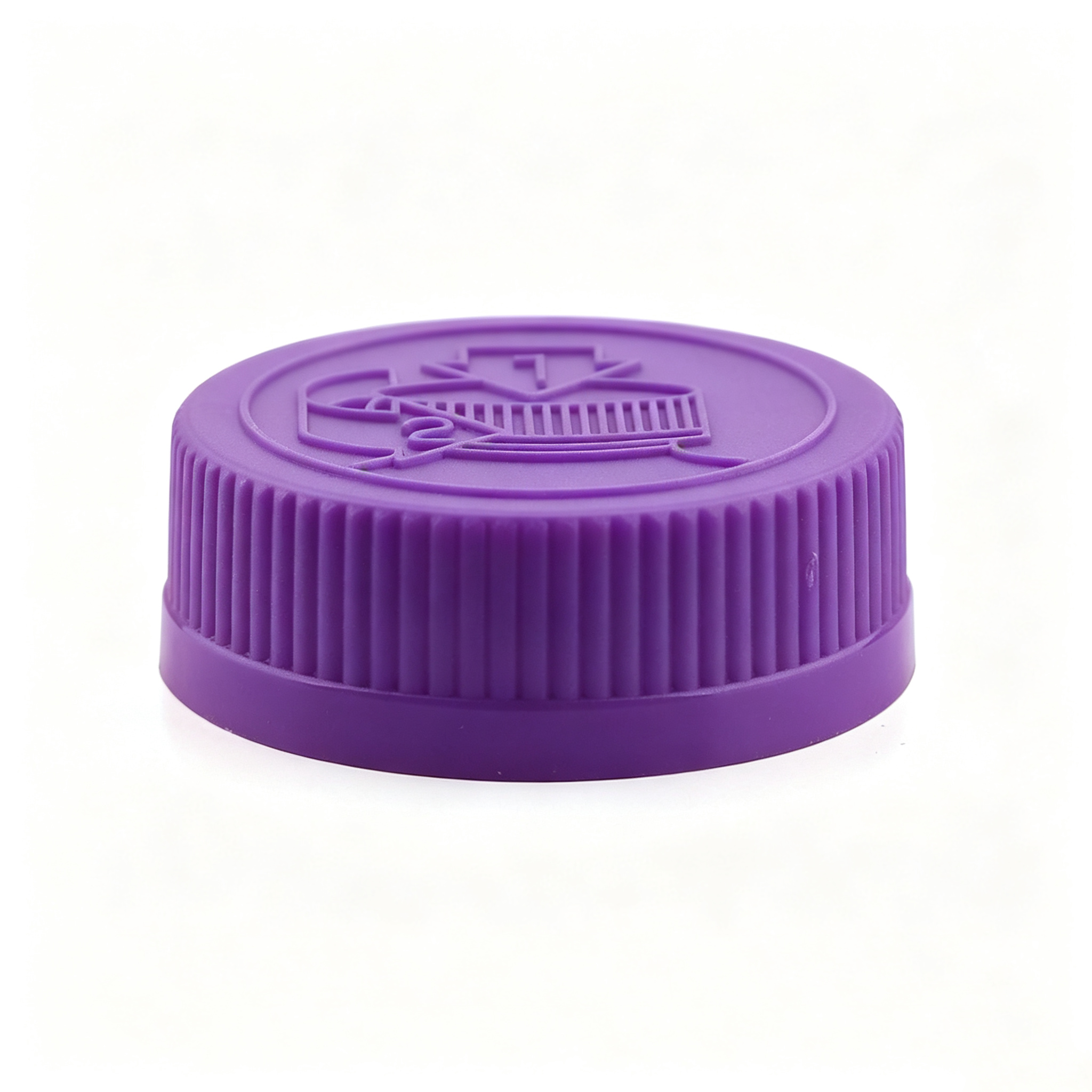
The crc cap has become an essential closure component in the cannabis and wellness product packaging industry, particularly as regulatory compliance and consumer safety continue to drive market demands. Understanding how a crc cap is applied in these specialized markets requires knowledge of both the mechanical installation process and the regulatory framework that mandates its use. The crc cap serves a dual purpose: it provides child-resistant protection while maintaining product integrity, making it indispensable for manufacturers seeking compliance with stringent packaging regulations across multiple jurisdictions.
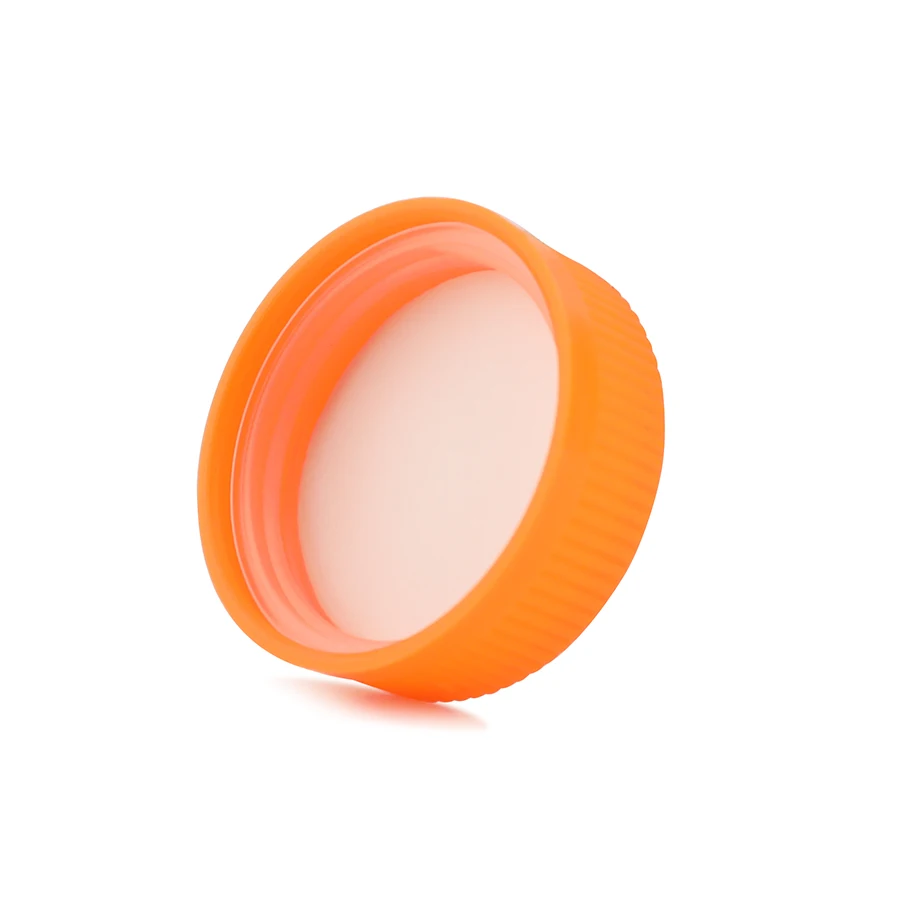
When implementing a crc cap in production environments, manufacturers must consider material compatibility, application equipment requirements, and quality assurance protocols. The application of a crc cap directly impacts product shelf life, consumer experience, and regulatory compliance, making proper installation methodology crucial for success. This comprehensive guide explores the practical aspects of crc cap application, installation best practices, and the specific advantages these closures offer to cannabis and wellness product manufacturers.
Understanding CRC Cap Design and Regulatory Requirements
Core Design Features of Child-Resistant Closures
The crc cap incorporates specific mechanical features designed to prevent accidental opening by children while remaining accessible to adults. A properly engineered crc cap typically features a dual-layer mechanism with ribbed surfaces that create resistance during the twisting motion required for opening. The interior design of a crc cap often includes locking tabs, compression springs, or push-turn mechanisms that require simultaneous application of force in multiple directions. These design elements ensure that a crc cap meets stringent testing standards established by regulatory bodies, including CPSC standards in the United States and similar protocols in other markets.
Regulatory Compliance Framework for Cannabis and Wellness Products
Cannabis packaging regulations mandate that a crc cap must meet specific performance criteria, including resistance testing to ensure children under five years old cannot access product contents within ten minutes of testing. The application of a crc cap in cannabis markets is not optional but legally required in virtually all jurisdictions where cannabis sales are permitted. Similarly, many wellness product categories, particularly those containing hazardous substances or medications, require a crc cap for compliance with FDA and international standards. Manufacturers must verify that their chosen crc cap solution carries proper certification documentation before implementation in production lines.
CRC Cap Application Methods and Installation Process
Mechanical Installation and Equipment Requirements
Applying a crc cap to containers requires specific capping equipment designed to handle the torque specifications unique to child-resistant closures. Automated capping machinery for crc cap installation must apply precise downward and rotational force to properly seat the closure while engaging the resistance mechanism. Manual application of a crc cap is possible for small-scale operations but introduces inconsistency risks that could result in either over-tightening or improper engagement of safety features. The equipment used to apply a crc cap must be regularly calibrated to ensure consistent torque application, as deviation from specifications can compromise either the closure functionality or consumer usability.
Substrate Preparation and Container Compatibility
Before applying a crc cap, container threads must be clean, dry, and free from product residue or contamination that could affect seal integrity. The substrate material of both the container and the crc cap must be compatible, considering factors such as material interaction with product contents, temperature stability, and chemical resistance. Glass containers generally pair seamlessly with a crc cap, while plastic containers require careful selection to ensure thread compatibility and resistance to package contents. Proper substrate preparation is essential because inadequate threading conditions can prevent a crc cap from engaging correctly, potentially failing child-resistant testing requirements.
Practical Application Advantages in Cannabis and Wellness Markets
Consumer Safety and Market Differentiation
The application of a crc cap provides clear market advantages beyond regulatory compliance by demonstrating commitment to consumer safety and responsible product stewardship. Brands that implement a crc cap effectively communicate that their products meet the highest safety standards, building trust with both retail partners and end consumers. The visual presence of a crc cap on shelves reinforces brand professionalism and responsibility, particularly important in emerging cannabis markets where consumer confidence remains critical. Additionally, a crc cap reduces liability exposure by providing documented evidence of compliance with child-resistant packaging requirements during the product lifecycle.
Production Efficiency and Supply Chain Integration
Integrating crc cap application into existing production workflows requires upfront investment in equipment and training but yields long-term operational benefits. The standardization of crc cap application across production batches improves quality control and reduces rework rates caused by improper closure installation. Modern capping systems designed for a crc cap can achieve throughput rates of hundreds of units per hour while maintaining precise torque specifications, supporting both small-batch and large-scale manufacturing scenarios. Supply chain partners increasingly stock the crc cap variants commonly requested by major brands, reducing lead times and improving inventory accessibility for manufacturers.
FAQ
What specific torque settings should be applied when installing a crc cap?
The torque specification for a crc cap installation varies depending on cap design, container thread size, and material composition, but typically ranges between 5 to 15 foot-pounds. Manufacturers should consult with their cap supplier to obtain exact torque specifications for the specific crc cap model being used. Under-torquing a crc cap risks product leakage and potential child access, while over-torquing can damage threads or make the cap difficult for adults to open. Regular calibration of capping equipment ensures consistent torque application across all products bearing a crc cap.
How does a crc cap maintain product freshness in cannabis packaging?
When properly applied, a crc cap creates an airtight seal that minimizes exposure to oxygen and moisture, extending product shelf life and preserving potency in cannabis applications. The dual-layer design of a crc cap provides multiple barriers against atmospheric infiltration, preventing oxidation that degrades cannabinoid profiles. The sealing mechanism of a crc cap also protects against light exposure in opaque containers, further preserving product quality. This moisture and oxygen protection makes the crc cap particularly valuable for flower, edibles, and concentrate packaging where preservation is critical.
Are there different crc cap styles suitable for various container sizes?
Yes, crc cap options are available across multiple size specifications, including 20mm, 24mm, 28mm, 32mm, 38mm, 42mm, and larger diameters to accommodate different container types and product volumes. The choice of crc cap size depends on container thread dimensions and application requirements, with common cannabis packaging using 28mm, 38mm, and 53mm options. Manufacturers should verify container compatibility before selecting a crc cap size to ensure proper thread engagement and seal performance. Specialized crc cap designs also exist for specific applications such as tincture bottles, pill containers, and jar-style packaging common in wellness markets.