
 EN
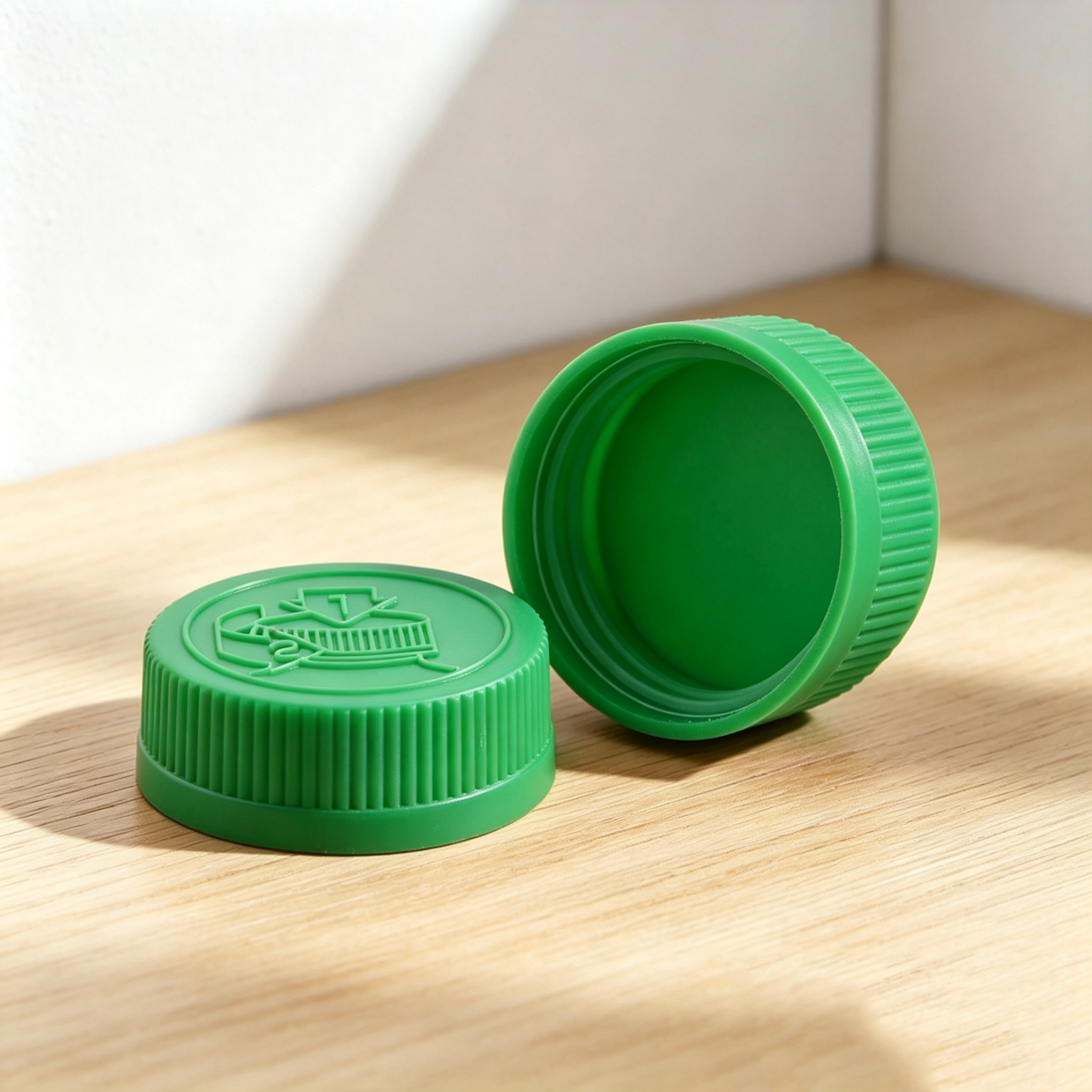
Pharmaceutical storage requires precision, reliability, and absolute security to protect medications from contamination, oxidation, and unauthorized access. The CRC cap represents a critical advancement in container closure systems, combining child-resistant design with tamper-evident technology and superior sealing performance. Understanding how the CRC cap works and why it matters for pharmaceutical applications is essential for manufacturers, healthcare providers, and regulatory compliance professionals. The CRC cap has become the industry standard because it addresses multiple safety and preservation requirements simultaneously, making it indispensable in modern pharmaceutical storage solutions.
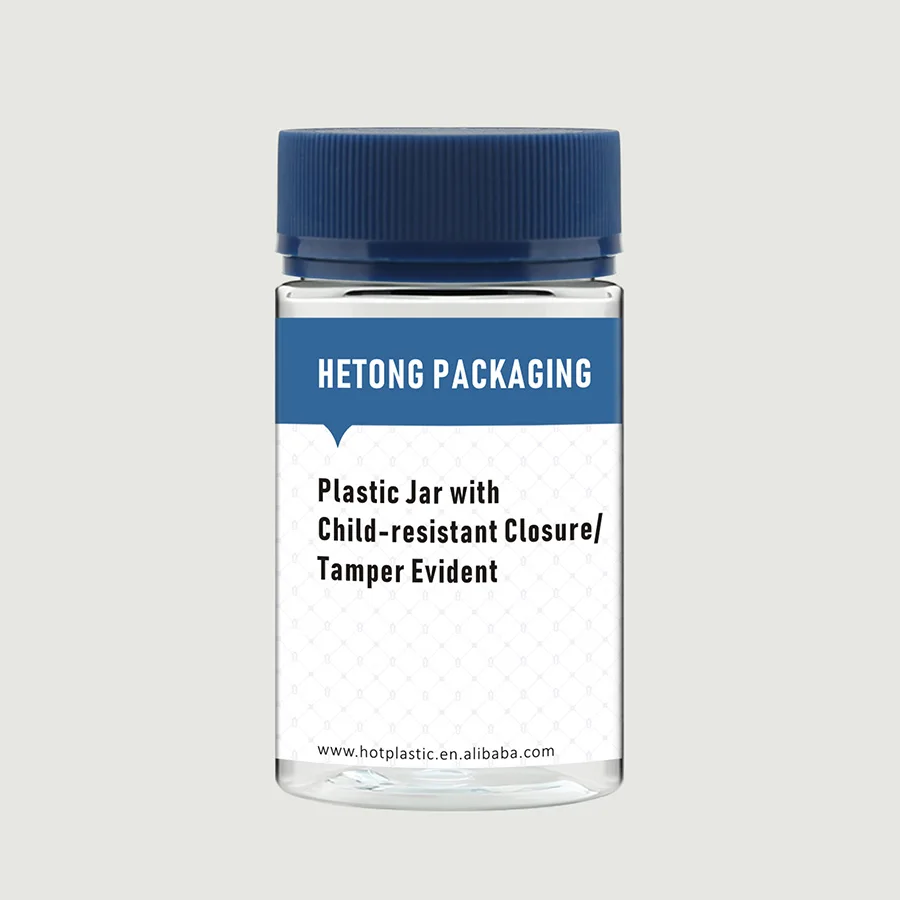
The pharmaceutical industry operates under strict regulatory frameworks that demand product integrity throughout the supply chain. A CRC cap must perform multiple functions beyond simple sealing: it must prevent unauthorized opening, indicate tampering, maintain airtight conditions, and resist chemical degradation. The CRC cap design integrates child-resistant mechanisms with advanced closure engineering, ensuring that medications remain protected from the moment they leave the manufacturing facility until they reach the patient. This comprehensive approach to container security has made the CRC cap a trusted solution across hospitals, clinics, pharmacies, and home healthcare settings worldwide.
Understanding CRC Cap Technology and Secure Sealing
The Core Function of CRC Cap Systems
A CRC cap operates through a sophisticated combination of mechanical and material-based security features designed to create an impenetrable seal. The CRC cap integrates a child-resistant locking mechanism that requires specific pressure patterns or sequential actions to open, making accidental or unauthorized access extremely difficult. The inner lining of the CRC cap typically uses silicone-based or polyethylene gaskets that compress against the container rim, forming an airtight barrier that prevents moisture infiltration and oxygen exposure. When properly applied, the CRC cap creates a seal that maintains pharmaceutical potency by blocking environmental contaminants and reactive gases that would otherwise degrade active ingredients. The CRC cap design ensures that sealed medications remain stable and effective throughout their shelf life, directly supporting product quality assurance and patient safety objectives.
Tamper-Evidence and Security Integration
Beyond basic sealing, a CRC cap incorporates tamper-evident features that immediately reveal any attempt to compromise the container. The CRC cap typically includes visible indicators such as break-apart tabs, color-changing seals, or thread-lock mechanisms that show clear signs of disturbance. When a CRC cap is first opened, these features provide visual confirmation to end users that the medication has not been previously accessed or compromised. The CRC cap's tamper-evident design serves pharmaceutical companies by reducing liability exposure and building consumer confidence in product authenticity. For pharmaceutical retailers and healthcare providers, the CRC cap's tamper indicators provide critical quality assurance checkpoints that protect their reputation and ensure patient safety throughout the distribution chain.
Pharmaceutical Applications and Compliance Standards
Meeting Regulatory Requirements with CRC Cap Solutions
Regulatory agencies including the FDA require child-resistant packaging for numerous pharmaceutical products, particularly those containing potent drugs or potential toxins. A CRC cap meets these mandates through its inherent design, which has undergone rigorous testing to confirm that children under five cannot easily open the container. The CRC cap must pass standardized child-resistance tests while remaining accessible to adults with normal hand strength and dexterity, a balance that sophisticated engineering achieves. Pharmaceutical manufacturers selecting a CRC cap for their products gain automatic compliance with packaging regulations in multiple jurisdictions, reducing the need for alternative closure systems or additional protective measures. The CRC cap's regulatory acceptance across different markets makes it an economically efficient choice for global pharmaceutical distribution, as it eliminates the need for market-specific packaging variations in many cases.
Specific Pharmaceutical Storage Scenarios
The CRC cap excels in protecting liquid pharmaceuticals, capsule medications, and powdered formulations that require extended shelf stability. For liquid drugs and syrups, the CRC cap's gasket technology prevents evaporation and oxidation that would compromise potency and create safety concerns. The CRC cap performs equally well for solid medications stored in PET or glass containers, maintaining humidity control and preventing moisture absorption that causes tablet degradation. Hospital pharmacies rely on the CRC cap for controlled substances and narcotics, where security and inventory accountability are paramount concerns. Home healthcare applications benefit from the CRC cap because it provides elderly patients and caregivers with a balance between child-safety and ease-of-use, reducing both accidental poisonings and medication errors caused by difficulty accessing medications.
Sealing Performance and Material Compatibility
Airtight Integrity and Chemical Resistance
The CRC cap's sealing effectiveness depends on precise manufacturing tolerances and compatible gasket materials that resist pharmaceutical compounds and environmental stressors. A high-quality CRC cap maintains its seal integrity across temperature fluctuations ranging from refrigerated storage to room temperature distribution conditions. The CRC cap gasket must resist common pharmaceutical solvents, preservatives, and active ingredients without degrading or losing elasticity over months or years of storage. PET plastic containers paired with a properly engineered CRC cap provide superior barrier properties against oxygen and moisture, which are primary drivers of pharmaceutical degradation. The CRC cap's material compatibility extends container shelf life significantly, meaning pharmaceutical manufacturers can confidently apply longer expiration dates when products are sealed with the correct CRC cap system, improving market economics and reducing waste.
Installation and Consistency Standards
Manufacturing facilities require consistency in CRC cap installation to ensure every container achieves the intended sealing performance. The CRC cap must be torqued to specific pressure ranges—typically between 10 and 15 inch-pounds for standard applications—to compress the gasket adequately without damaging threads or creating stress points. Automated capping equipment calibrated for the correct CRC cap specifications ensures that thousands of units maintain identical sealing properties, eliminating variability that could compromise product quality. The CRC cap's design accommodates both manual and high-speed automated application processes, making it suitable for small-batch compounding pharmacies and large-scale pharmaceutical manufacturers. Quality control procedures that verify CRC cap sealing through weight loss testing, pressure decay testing, or helium leak detection provide objective confirmation that sealing performance meets pharmaceutical standards.
Advantages and Practical Implementation
Cost-Effectiveness and Supply Chain Benefits
The CRC cap offers remarkable cost efficiency compared to alternative child-resistant closure systems because it achieves multiple security functions within a single, standardized component. Pharmaceutical manufacturers can stock a limited number of CRC cap sizes to service their entire product portfolio, reducing inventory complexity and procurement costs. The CRC cap's compatibility with standard pharmaceutical containers means no expensive custom tooling or specialized equipment modifications are required for most pharmaceutical operations. When companies choose the CRC cap, they eliminate costs associated with separate tamper-evident bands, additional security labels, or redundant locking mechanisms that other systems require. The CRC cap's long-term reliability and minimal failure rates reduce replacement claims and customer complaints, directly protecting pharmaceutical profit margins and brand reputation.
User Experience and Healthcare Provider Adoption
Healthcare professionals and patients appreciate the CRC cap because it provides security without requiring confusing instructions or frustrating access delays. The CRC cap's intuitive child-resistant mechanism—typically requiring simultaneous downward pressure and rotation—becomes familiar to regular medication users, reducing medication access delays that could compromise treatment adherence. Pharmacists distributing medications with a CRC cap spend less time explaining closure operation, improving workflow efficiency in busy pharmacy settings. The CRC cap's professional appearance and recognizable design communicate pharmaceutical quality and regulatory compliance to end consumers, reinforcing confidence in medication safety. Long-term patient satisfaction with the CRC cap translates to improved medication compliance rates and reduced adverse outcomes associated with improper storage or accidental access by unintended users.
FAQ
What specific security features does a CRC cap provide beyond basic sealing?
A crc cap combines child-resistant locking mechanisms that require specific pressure and rotation sequences, tamper-evident indicators that reveal unauthorized opening, and airtight gasket seals that prevent contamination and oxidation. The multi-layered security approach ensures pharmaceutical products remain protected from accidental access, tampering, and environmental degradation throughout storage and distribution.
How does the CRC cap maintain pharmaceutical potency during long-term storage?
The CRC cap creates an airtight seal using precision-engineered gaskets that compress against the container rim, blocking moisture and oxygen infiltration that cause pharmaceutical degradation. This barrier protection prevents chemical reactions that reduce drug potency, extend expiration dates, and ensure medications maintain their therapeutic effectiveness throughout the shelf life period specified by manufacturers and regulatory agencies.
Are CRC cap solutions compatible with automated pharmaceutical manufacturing processes?
Yes, the CRC cap integrates seamlessly with high-speed automated capping equipment used in large-scale pharmaceutical manufacturing. Standard CRC cap specifications allow facility operators to calibrate equipment for consistent torque application and sealing verification, enabling thousands of units per hour to achieve identical performance while maintaining regulatory compliance and quality assurance standards.