
 EN
EN
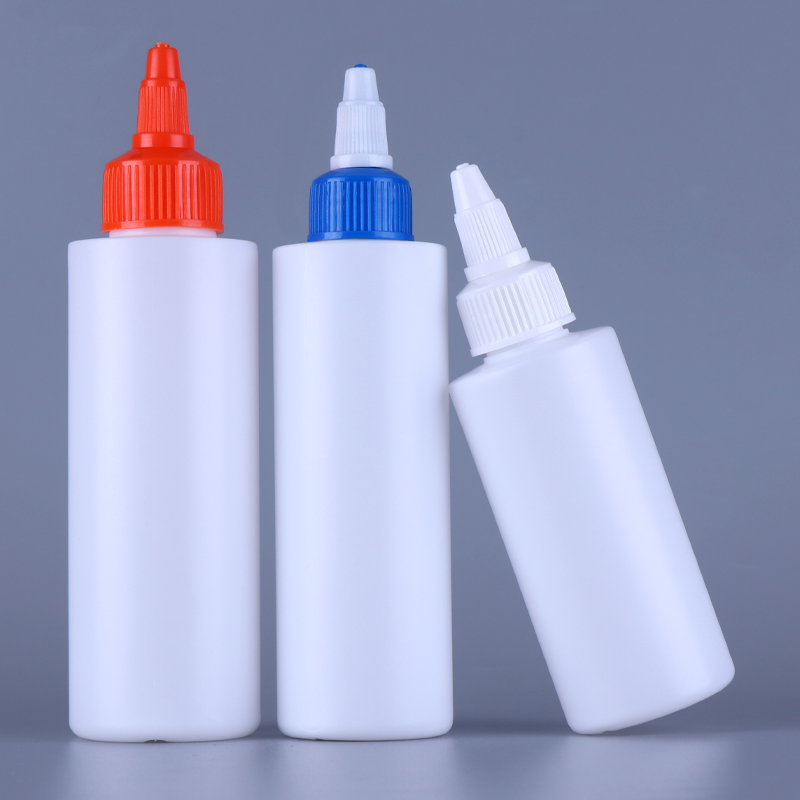
Pharmaceutical packaging demands exceptional performance standards, and the choice of materials directly impacts product integrity and shelf life. PE bottle pharmaceutical packaging has emerged as a reliable solution for protecting sensitive medications, serums, and liquid formulations from environmental degradation. The ability of PE bottles to maintain structural integrity under challenging conditions makes them particularly valuable in healthcare supply chains where contamination risks and chemical exposure pose significant threats to product efficacy.
The pharmaceutical industry relies on PE bottle pharmaceutical packaging solutions to safeguard formulations during storage, transportation, and distribution. Understanding how PE bottles contribute to durability in these demanding environments requires examining material properties, chemical resistance mechanisms, and real-world performance data. This article explores the technical advantages that make PE bottle pharmaceutical packaging a preferred choice for manufacturers seeking to extend product shelf life and maintain regulatory compliance.
Material Properties and Chemical Resistance of PE Bottles
Understanding Polyethylene Structure and Durability
Polyethylene's molecular structure provides inherent advantages for pharmaceutical applications. PE bottle pharmaceutical packaging features a polymer backbone that resists degradation when exposed to moisture, oxygen, and common pharmaceutical solvents. The dense crystalline regions within polyethylene create barriers that slow permeation rates, which directly supports the longevity of sensitive pharmaceutical formulations. This molecular arrangement makes PE bottle pharmaceutical packaging particularly effective at preventing chemical leaching and maintaining barrier properties over extended storage periods.
Resistance to Common Pharmaceutical Solvents
PE bottle pharmaceutical packaging demonstrates superior compatibility with water-based solutions, alcohols, and mild acidic compounds found in liquid medications. Unlike some alternative materials, PE bottle pharmaceutical packaging withstands prolonged contact with these substances without swelling, brittleness, or chemical breakdown. Pharmaceutical manufacturers depend on this chemical stability when formulating eye drops, serums, tinctures, and concentrated solutions. The interaction between polyethylene and pharmaceutical ingredients remains minimal, reducing the risk of unwanted reactions or product degradation that could compromise therapeutic efficacy.
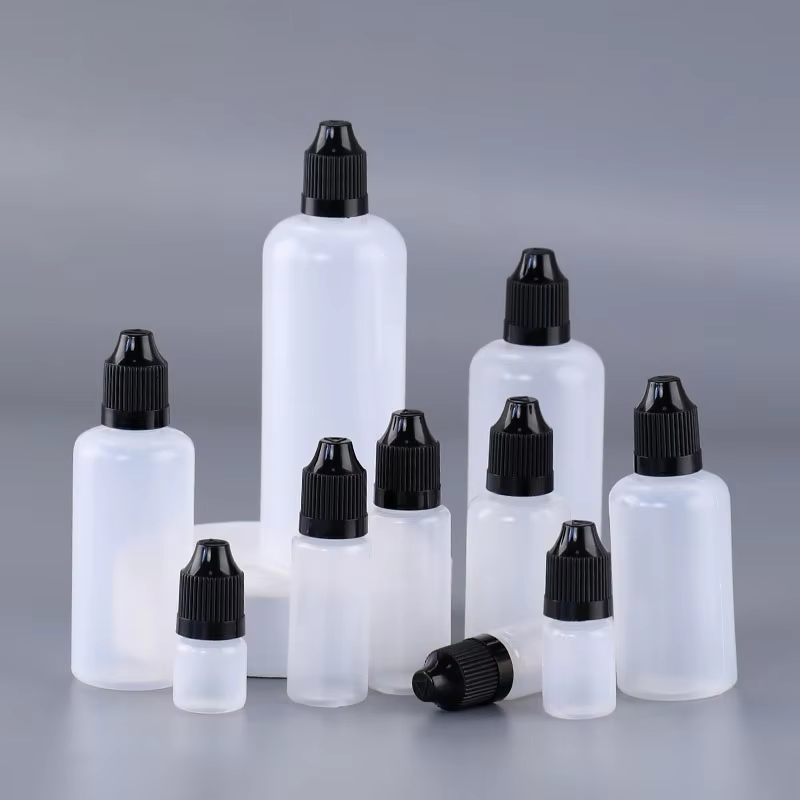
Environmental Durability and Storage Stability
Temperature and Humidity Performance
Temperature fluctuations during storage and transportation challenge packaging materials significantly. PE bottle pharmaceutical packaging maintains structural integrity across temperature ranges typically encountered in warehouses, retail environments, and clinical settings. The material resists embrittlement at lower temperatures while avoiding softening or warping at elevated temperatures common in tropical climates or heated facilities. PE bottle pharmaceutical packaging's thermal stability ensures that pharmaceutical products remain protected regardless of seasonal variations or shipment routing through diverse geographic regions.
Light Protection and Oxidation Prevention
Clear PE bottle pharmaceutical packaging can incorporate UV-blocking additives to shield light-sensitive formulations from photodegradation. The barrier properties inherent to PE bottle pharmaceutical packaging slow oxygen ingress, which extends the shelf life of oxidation-prone medications and nutraceuticals. This dual protection mechanism—limiting both light exposure and oxygen permeation—represents a critical durability advantage for extended-stability formulations. Manufacturers using PE bottle pharmaceutical packaging achieve longer expiration dates and improved product consistency throughout the product lifecycle.
Regulatory Compliance and Practical Applications
FDA and Pharmacopeial Standards
PE bottle pharmaceutical packaging meets stringent FDA requirements and complies with United States Pharmacopeia standards for pharmaceutical containers. The material undergoes rigorous leaching studies and extractables testing to ensure no harmful substances migrate into pharmaceutical products. PE bottle pharmaceutical packaging's proven safety profile and documented performance history make it acceptable for oral medications, injectable solutions, and topical formulations. This regulatory acceptance eliminates lengthy qualification processes and allows manufacturers to bring PE bottle pharmaceutical packaging solutions to market more efficiently.
Real-World Performance in Clinical Settings
Healthcare facilities worldwide depend on PE bottle pharmaceutical packaging for reliable medication storage and dispensing. Hospital pharmacies and outpatient clinics benefit from the durability that PE bottle pharmaceutical packaging provides, as bottles remain intact through repeated handling, temperature cycling, and exposure to disinfectants. Patient compliance improves when PE bottle pharmaceutical packaging delivers consistent product appearance and easy dispensing mechanisms that remain functional throughout the treatment course. The long-term stability of PE bottle pharmaceutical packaging reduces medication waste and ensures therapeutic efficacy from the first dose to the last.
FAQ
Can PE bottle pharmaceutical packaging withstand sterilization processes?
Yes, PE bottle pharmaceutical packaging can tolerate standard sterilization methods including autoclaving at controlled temperatures and steam exposure. Most PE formulations resist sterilization without significant structural changes, though manufacturers should confirm compatibility with their specific sterilization protocol. PE bottle pharmaceutical packaging maintains barrier integrity after sterilization, ensuring sterile products remain protected throughout their shelf life in clinical environments.
How does PE bottle pharmaceutical packaging compare to glass alternatives?
PE bottle pharmaceutical packaging offers lighter weight, lower shipping costs, and reduced breakage risk compared to glass containers. While glass provides superior oxygen barrier properties, PE bottle pharmaceutical packaging delivers adequate protection for most liquid formulations with significant cost advantages. PE bottle pharmaceutical packaging's flexibility also enables ergonomic design improvements that enhance patient compliance and ease of use in clinical settings.
What additives improve durability in PE bottle pharmaceutical packaging?
Antioxidant additives, UV absorbers, and stabilizing compounds enhance the performance of PE bottle pharmaceutical packaging without compromising pharmaceutical compatibility. These carefully selected additives strengthen PE bottle pharmaceutical packaging's resistance to oxidative degradation and light exposure while maintaining full compliance with pharmaceutical regulations and safety standards.