
 EN
EN
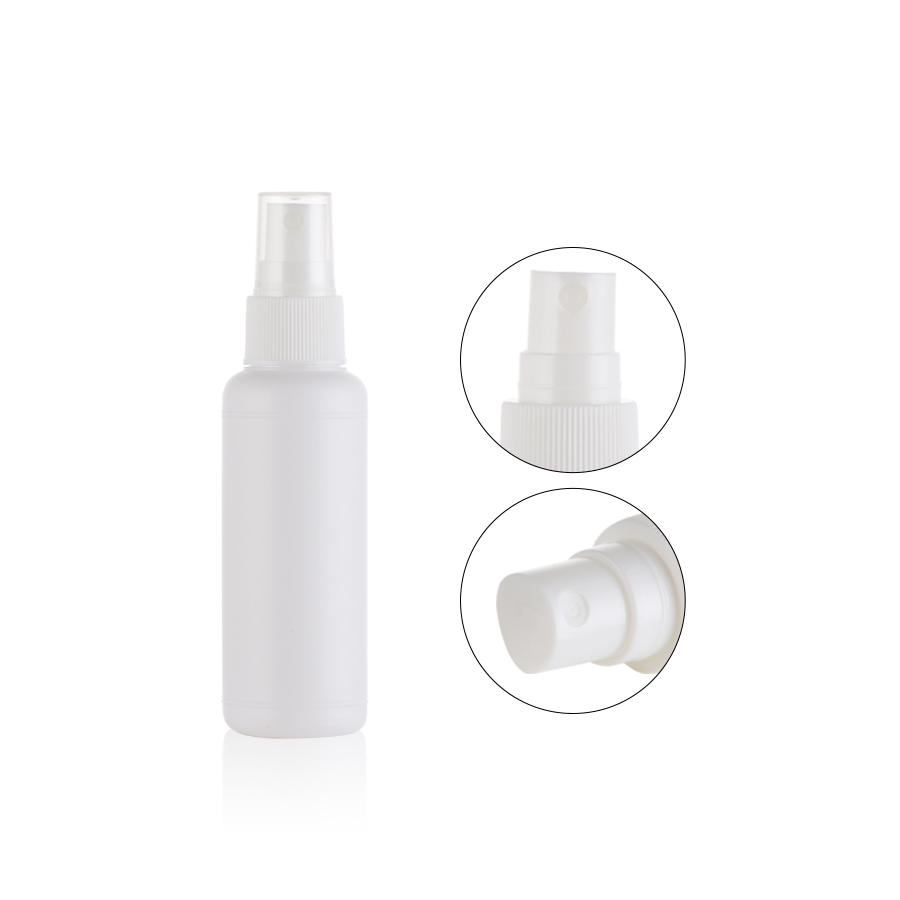
The PE bottle has become an essential choice for laboratory and healthcare facilities worldwide. Whether you are storing pharmaceutical solutions, diagnostic reagents, cosmetic formulations, or specialized industrial liquids, the PE bottle offers practical advantages that traditional packaging materials simply cannot match. Understanding why organizations consistently select PE bottles reveals important insights about material science, regulatory compliance, and operational efficiency in modern laboratory environments.
A PE bottle represents far more than a simple storage container. The PE bottle combines chemical resistance, flexibility, durability, and cost-effectiveness into a single packaging solution that laboratory professionals depend on daily. From 3ml eye drop bottles to larger industrial PE bottle configurations, this versatile material serves countless applications across healthcare, research, cosmetics, food coloring, essential oil storage, and concentrated liquid packaging. The PE bottle's widespread adoption stems from its proven performance in demanding laboratory conditions where reliability directly impacts research integrity and product safety.
Chemical Resistance and Material Compatibility
Why PE Bottle Materials Excel in Laboratory Environments
Laboratory work involves exposure to diverse chemical substances that can degrade inferior packaging materials. A PE bottle excels because polyethylene demonstrates exceptional resistance to acids, bases, alcohols, and many organic solvents commonly used in laboratory settings. The PE bottle's molecular structure creates a barrier that prevents chemical interaction with the container walls, meaning the stored liquid remains uncontaminated and stable throughout its shelf life. This chemical compatibility makes the PE bottle ideal for storing pharmaceutical preparations, diagnostic reagents, and research formulations that require absolute purity.
The PE bottle also resists water absorption, which is critical for maintaining precise concentrations in laboratory solutions. Unlike some alternative materials, a PE bottle does not leach harmful substances into stored liquids, meeting strict regulatory requirements for healthcare and pharmaceutical applications. This non-reactive nature of the PE bottle ensures that eye drops, cosmetic liquids, glues, food colorings, essential oils, and concentrated solutions maintain their original chemical composition without degradation or contamination risk.
Compatibility with Common Laboratory Liquids
The PE bottle performs reliably with virtually every standard laboratory liquid type. Eye drop formulations remain stable in a PE bottle for extended periods without separation or chemical breakdown. Cosmetic makeup liquids benefit from PE bottle storage because the material does not interact with active ingredients or preservatives. Concentrated glues, food colorings, and essential oils maintain their potency in PE bottle containers because polyethylene's inert properties prevent molecular degradation. This universal compatibility explains why facilities standardize on PE bottle solutions rather than maintaining multiple packaging types for different applications.
Durability and Physical Performance
Structural Integrity of PE Bottle Designs
A PE bottle combines rigidity where needed with controlled flexibility that absorbs shock and prevents breakage. This balanced physical profile makes the PE bottle significantly more durable than glass alternatives that shatter on impact. Laboratory environments involve frequent handling, storage transitions, and transport, all situations where a PE bottle's flexible yet sturdy construction provides clear advantages. The PE bottle withstands temperature fluctuations, pressure variations, and rough handling that would compromise glass or brittle plastic alternatives.
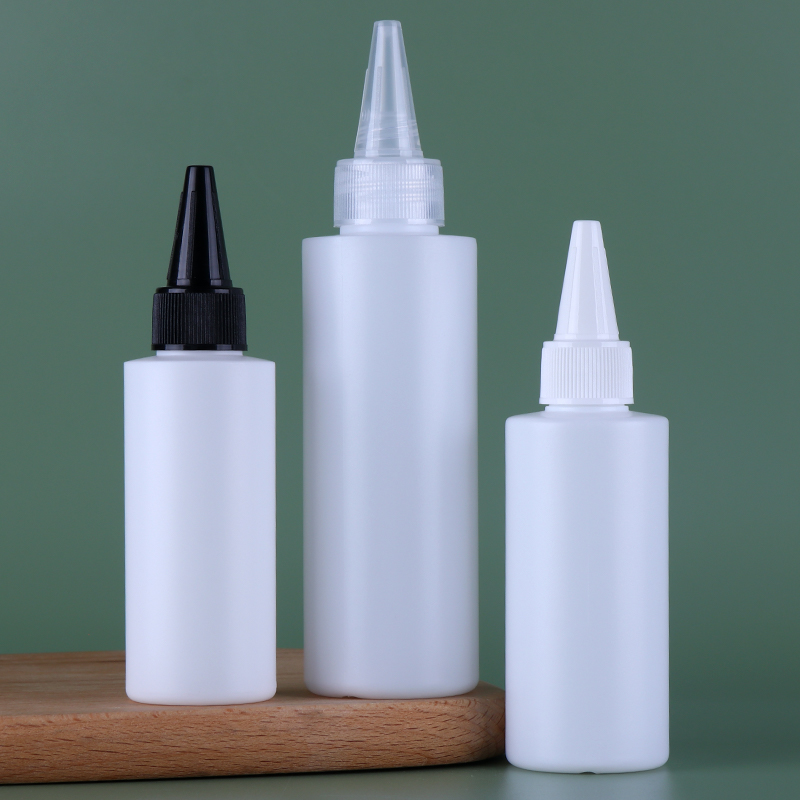
The PE bottle also resists cracking from thermal stress, a critical factor in laboratories where liquids may be heated, cooled, or exposed to refrigeration cycles. When you compare a PE bottle to glass under repeated thermal cycling, the PE bottle maintains structural integrity while glass develops micro-fractures that eventually cause catastrophic failure. This durability translates directly into operational cost savings because PE bottle containers last longer, require less replacement, and eliminate downtime from packaging failures in clinical or research workflows.
Shelf Life and Storage Stability
The PE bottle provides exceptional long-term storage stability for pharmaceutical and cosmetic liquids. Light exposure represents one primary concern in laboratory storage, and PE bottle materials can be formulated with UV-protective additives that shield sensitive compounds from photodegradation. A PE bottle's seal integrity remains consistent over months or years, preventing oxidation and contamination that compromise stored liquids. This reliable shelf life performance means laboratories can stock PE bottle supplies confidently without worrying about packaging degradation affecting product quality or safety.
Cost-Effectiveness and Operational Advantages
Economic Benefits of PE Bottle Selection
The PE bottle offers substantial cost advantages compared to alternative packaging materials without sacrificing quality or performance. Manufacturing processes for PE bottle production benefit from economies of scale, making individual PE bottle units relatively inexpensive even for specialized applications like 3ml eye drop bottles. Healthcare facilities and research laboratories can purchase PE bottle supplies in bulk at favorable pricing, reducing per-unit packaging costs that directly impact overall operational budgets. The PE bottle's affordability enables institutions to maintain larger inventory reserves without excessive capital investment in packaging alone.
When calculated over the product lifecycle, a PE bottle delivers superior value because its durability means fewer replacement purchases compared to breakable alternatives. The PE bottle reduces waste disposal costs because the material remains intact during storage, handling, and use rather than generating broken glass debris or degraded plastic fragments. For laboratories processing hundreds of samples or managing extensive liquid inventories, the cumulative savings from PE bottle adoption represent meaningful budget relief while improving operational efficiency.
Supply Chain and Regulatory Compliance
The PE bottle enjoys widespread availability from multiple manufacturers, ensuring consistent supply and competitive pricing for laboratory procurement departments. PE bottle suppliers maintain standardized specifications across batches, supporting reproducible results in laboratory workflows. Regulatory agencies including the FDA recognize PE bottle materials as compliant for pharmaceutical and healthcare applications, meaning laboratories can use PE bottle containers without lengthy qualification processes. The PE bottle's established regulatory status streamlines procurement, reduces compliance documentation, and enables faster implementation across healthcare systems and research institutions.
Standardizing on PE bottle packaging also simplifies inventory management because staff quickly learn PE bottle characteristics, handling protocols, and storage requirements. The PE bottle format compatibility across different applications—from eye drops to cosmetics to food coloring—means laboratories can develop unified protocols rather than maintaining separate procedures for different container types. This operational simplification reduces training requirements, minimizes handling errors, and improves overall laboratory efficiency when PE bottle solutions are adopted systematically.
FAQ
Can PE bottles withstand autoclaving for sterilization purposes?
Yes, PE bottles can withstand standard autoclaving cycles when designed with appropriate wall thickness and heat-resistant formulations. Laboratory-grade PE bottle materials maintain structural integrity at sterilization temperatures, though extremely high temperatures or prolonged exposure may affect some PE bottle configurations. For critical sterilization applications, verify that your specific PE bottle model carries sterilization certification from the manufacturer to ensure compliance with your laboratory protocols and regulatory requirements.
What size options are available for PE bottles in laboratory applications?
PE bottle dimensions range from small 3ml eye drop bottles to larger industrial containers exceeding 1000ml capacity. This size flexibility makes the PE bottle suitable for diverse applications including precision pharmaceutical dispensing, bulk reagent storage, and sample collection. Laboratories can select the PE bottle size that matches their specific volume requirements, application workflow, and handling preferences, enabling optimized inventory management across different departments and functional areas.
Are PE bottles recyclable and environmentally responsible?
PE bottles represent a recyclable packaging material accepted by most municipal and industrial recycling programs. After the PE bottle completes its service life in the laboratory, the material can be processed into new plastic products, reducing landfill burden and supporting sustainable waste management practices. Many modern PE bottle manufacturers incorporate recycled polyethylene content into new PE bottle production, creating a circular economy benefit that laboratories can leverage when selecting packaging suppliers committed to environmental responsibility.