
 EN
EN
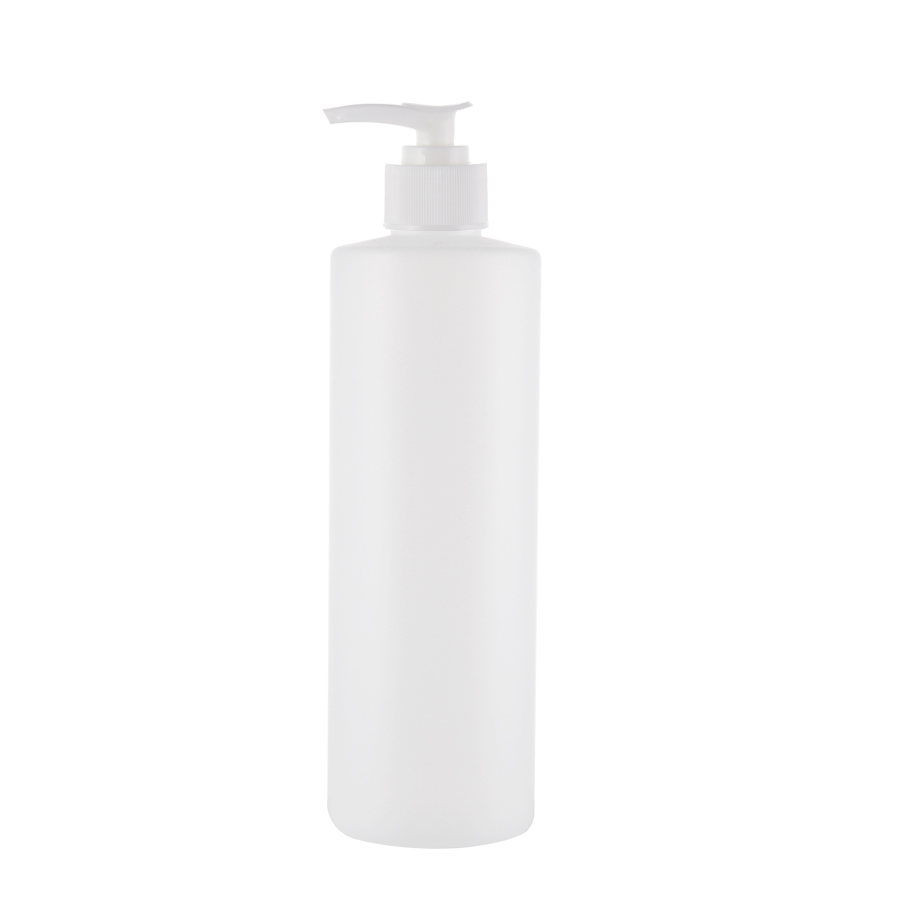
When selecting packaging for household cleaning products and detergents, manufacturers and product developers face critical decisions about material compatibility, durability, and cost-effectiveness. PE bottle suitable for household cleaning applications has become a central question in the packaging industry, as polyethylene offers distinct advantages and limitations depending on the specific chemical formulation and storage requirements. Understanding whether PE bottle suitable for household cleaning meets your operational needs requires examining both technical properties and real-world performance factors that directly impact product integrity, shelf life, and consumer safety.
PE bottle suitable for household cleaning represents one of the most cost-efficient packaging solutions available in the market today. Polyethylene plastic delivers excellent flexibility, impact resistance, and lightweight characteristics that reduce shipping costs and improve ergonomics for end users. However, determining whether a PE bottle suitable for household cleaning aligns with your specific product chemistry and distribution timeline requires deeper investigation into chemical compatibility, permeability rates, and regulatory compliance standards that govern consumer-facing packaging materials.
Material Properties and Chemical Compatibility
Understanding Polyethylene Composition
Polyethylene exists in two primary industrial grades: high-density polyethylene (HDPE) and low-density polyethylene (LDPE). For determining if PE bottle suitable for household cleaning meets requirements, HDPE typically performs better due to its superior chemical resistance and lower permeability characteristics. HDPE plastic maintains structural integrity when exposed to most common household cleaning agents, including surfactants, alkaline builders, and mild acidic formulations used in bathroom and kitchen cleaners. A PE bottle suitable for household cleaning must withstand these chemical stresses without degrading, leaching, or compromising product quality over the intended shelf life.
Chemical Resistance Parameters
The suitability of PE bottle suitable for household cleaning depends heavily on the specific chemical components within your formulation. Most standard degreasers, multipurpose cleaners, and floor maintenance products remain compatible with polyethylene when concentrations stay within typical commercial ranges. However, PE bottle suitable for household cleaning may face limitations with aggressive solvent systems, certain essential oil combinations, or highly concentrated alkaline products that can cause swelling or embrittlement over extended contact periods. Testing your exact formulation against polyethylene samples under simulated storage conditions provides definitive compatibility data before full-scale production commitments.
Performance Considerations and Practical Application
Barrier Properties and Product Preservation
A critical factor in evaluating whether PE bottle suitable for household cleaning meets your needs involves understanding permeability rates for moisture and volatile organic compounds. Standard HDPE plastic bottles demonstrate moderate barrier properties, making PE bottle suitable for household cleaning products with shelf lives of 12 to 24 months under typical storage conditions. Products containing water-based surfactants and aqueous solutions remain stable in polyethylene containers, though products with significant aromatic or volatile components may experience gradual concentration changes over time. For PE bottle suitable for household cleaning to preserve product efficacy, manufacturers often employ oxygen absorbers or specialized closure systems that enhance barrier performance beyond the plastic container's inherent limitations.
Structural Integrity and Consumer Safety
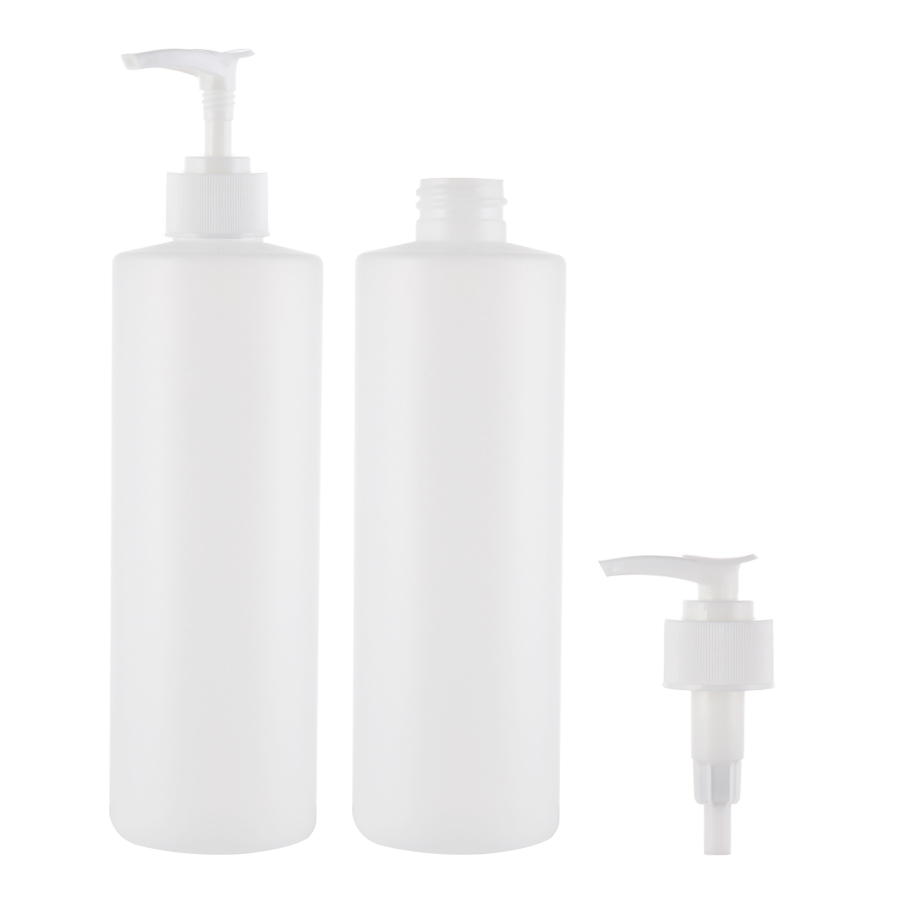
PE bottle suitable for household cleaning must maintain consistent structural strength throughout the product lifecycle, from manufacturing through consumer use. Polyethylene demonstrates excellent impact resistance and flexibility, preventing catastrophic failure from drops or accidental crushing that could cause leakage or spillage hazards. The flexibility of polyethylene makes PE bottle suitable for household cleaning particularly effective when consumers squeeze bottles to dispense concentrated formulations or trigger-spray applications. However, repeated exposure to direct sunlight can cause UV degradation over time, meaning PE bottle suitable for household cleaning performs optimally when stored indoors or protected from extended light exposure during both warehouse and retail environments.
Regulatory Compliance and Market Requirements
Food Contact and Non-Food Classification
While PE bottle suitable for household cleaning does not require food-contact approval for cleaning products, regulatory frameworks still govern packaging materials used in consumer household applications. Different jurisdictions maintain specific requirements regarding chemical migration limits, labeling specifications, and material composition declarations. Ensuring that PE bottle suitable for household cleaning complies with local environmental and safety regulations protects both manufacturers and end consumers from potential liability. Many retailers now demand compliance verification and material safety documentation before accepting private-label cleaning products, making PE bottle suitable for household cleaning certification a practical business requirement rather than an optional consideration.
Environmental and Sustainability Considerations
Contemporary market dynamics increasingly influence whether PE bottle suitable for household cleaning aligns with broader corporate sustainability objectives and consumer expectations. Polyethylene remains recyclable through established municipal infrastructure in most developed markets, though collection rates and sorting accuracy continue varying significantly by region. For brands prioritizing circular economy principles, PE bottle suitable for household cleaning offers a recognized post-consumer resin pathway, though consumers must demonstrate proper sorting behavior for this environmental benefit to materialize. Companies seeking to enhance sustainability positioning should clarify whether PE bottle suitable for household cleaning from their supplier includes recycled content percentages and what mechanisms exist for end-of-life material recovery in target markets.
FAQ
Can I store concentrated alkaline detergents in PE bottle suitable for household cleaning systems?
PE bottle suitable for household cleaning generally accommodates moderately concentrated alkaline formulations, though extremely high concentrations may require alternative packaging like polypropylene or glass. Testing your specific alkaline concentration against polyethylene samples ensures compatibility before committing to production volumes. Most commercial floor cleaners and degreasers formulated for household use remain stable in properly selected polyethylene containers throughout normal shelf life periods.
How long can products remain stable in PE bottle suitable for household cleaning before degradation occurs?
Products packaged in PE bottle suitable for household cleaning typically maintain quality for 12 to 24 months under standard indoor storage conditions at room temperature. Shelf life depends on multiple factors including specific chemical formulation, storage temperature fluctuations, light exposure, and closure system effectiveness. Conducting accelerated stability studies on your actual product in the proposed PE bottle suitable for household cleaning configuration provides reliable shelf life predictions specific to your formulation and market environment.
What advantages does PE bottle suitable for household cleaning offer compared to alternative packaging materials?
PE bottle suitable for household cleaning delivers superior cost-effectiveness, lightweight characteristics that reduce shipping expenses, excellent impact resistance, and consumer-friendly ergonomic design through flexible squeezing capability. Polyethylene provides adequate chemical resistance for most household cleaning products while maintaining competitive pricing that supports healthy profit margins. However, PE bottle suitable for household cleaning may not match glass barrier properties or polypropylene chemical resistance for certain specialized formulations, making material selection dependent on specific product requirements and market positioning strategies.
Table of Contents
- Material Properties and Chemical Compatibility
- Performance Considerations and Practical Application
- Regulatory Compliance and Market Requirements
-
FAQ
- Can I store concentrated alkaline detergents in PE bottle suitable for household cleaning systems?
- How long can products remain stable in PE bottle suitable for household cleaning before degradation occurs?
- What advantages does PE bottle suitable for household cleaning offer compared to alternative packaging materials?