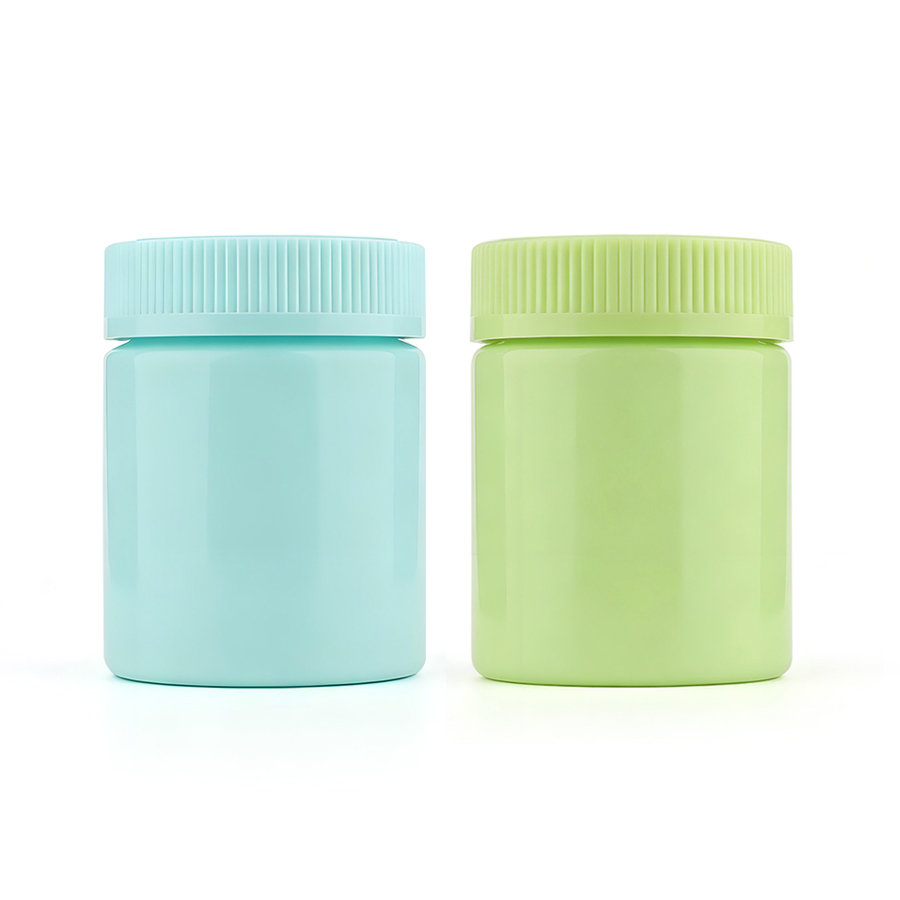
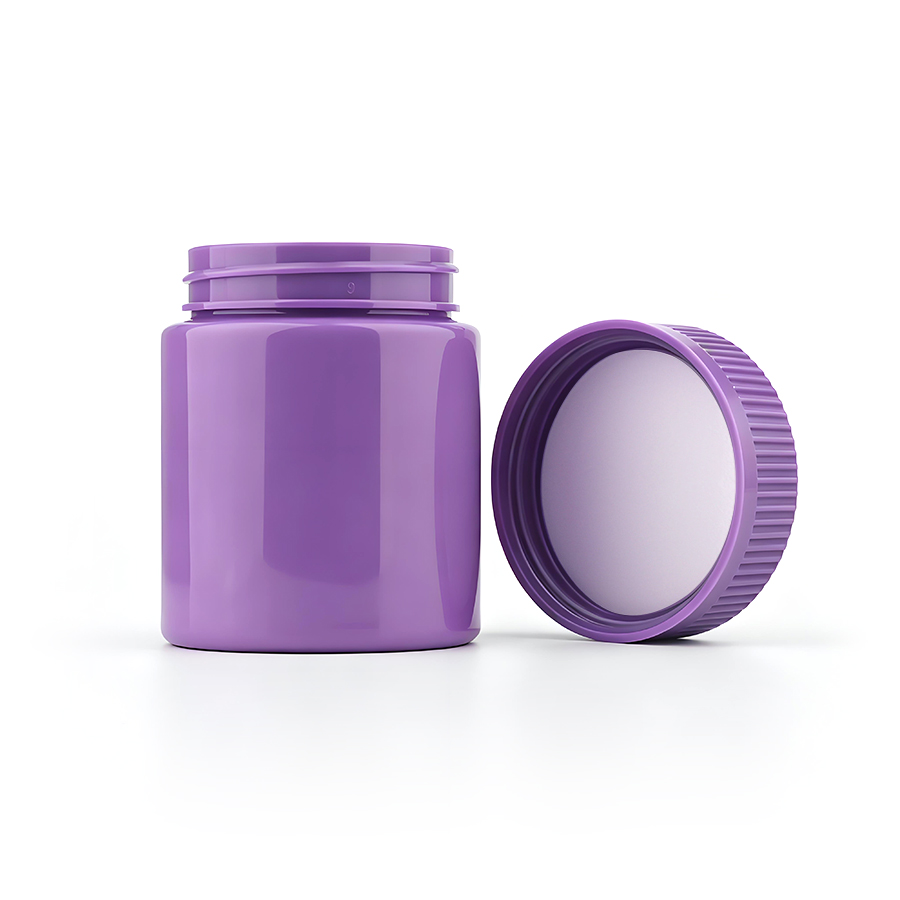
Advanced Child-Resistant Technology for Maximum Safety
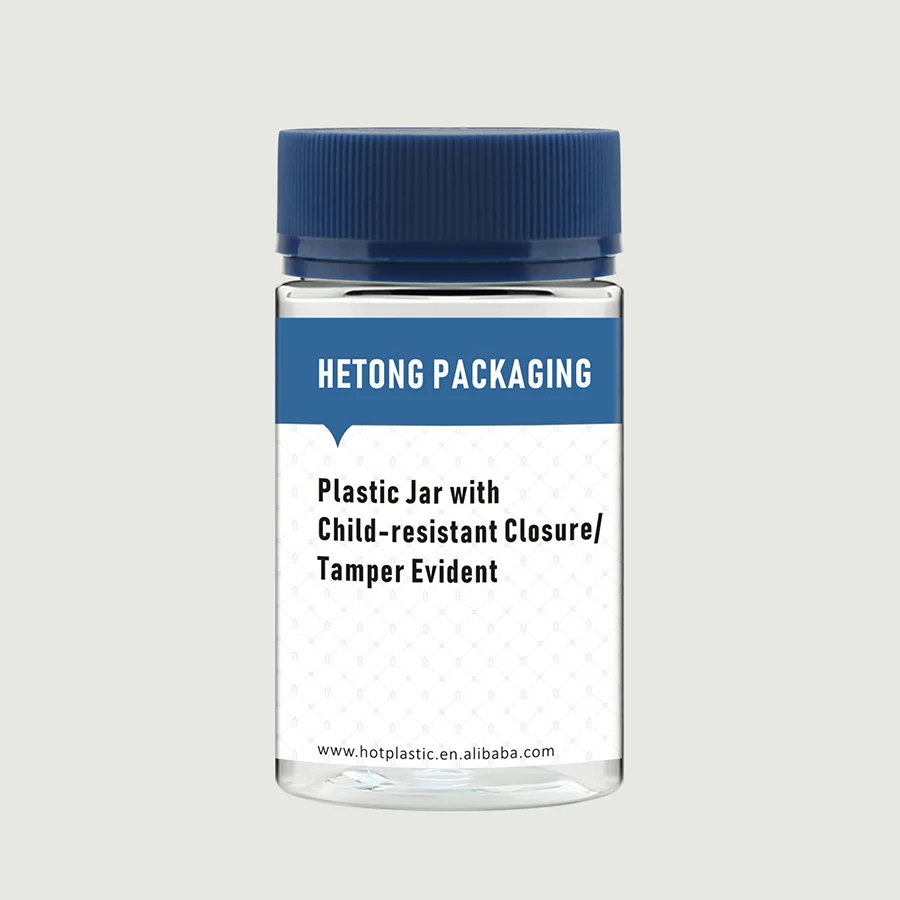
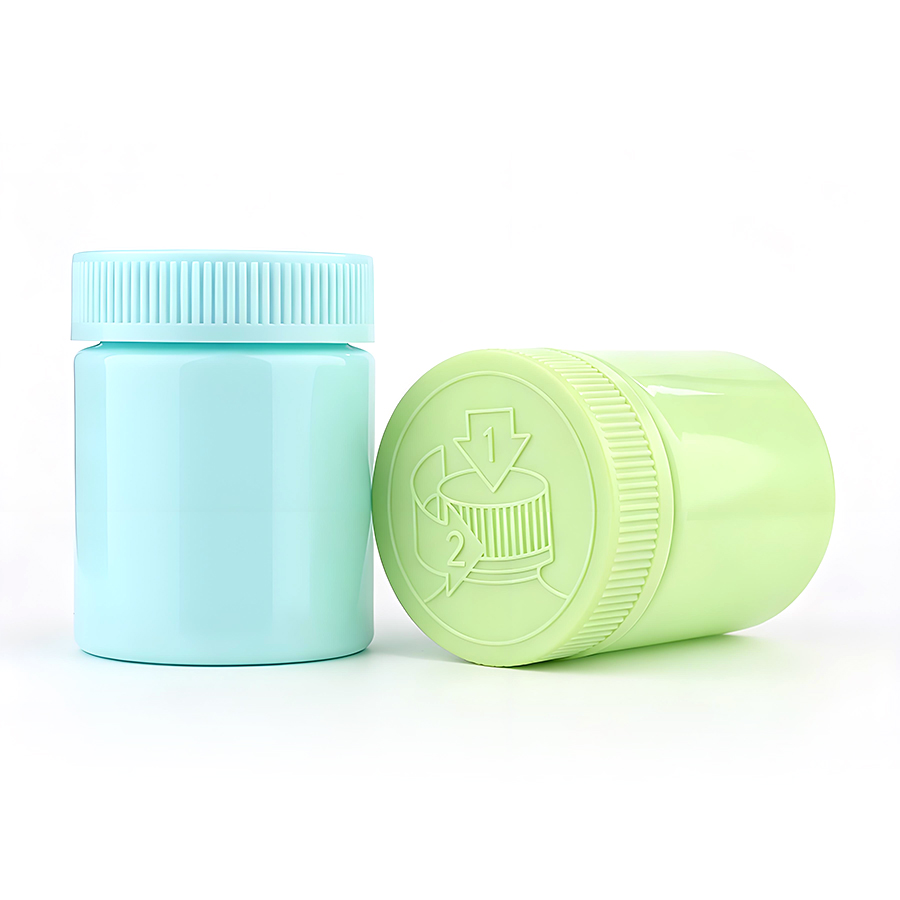
The cornerstone feature of any crc plastic jar lies in its sophisticated child-resistant closure mechanism, engineered through extensive research and testing to create an effective barrier against accidental pediatric access while maintaining reasonable accessibility for adult users. This technology typically employs a dual-action opening system requiring simultaneous pressing or squeezing combined with rotational motion, a coordinated movement pattern that exceeds the cognitive and motor skill capabilities of young children but remains within comfortable execution range for most adults. The development of these closure systems follows rigorous testing protocols established by regulatory agencies, where prototype designs must demonstrate their effectiveness with actual child test groups while proving accessibility for adult populations including elderly individuals who may experience reduced hand strength or dexterity challenges. The mechanical precision involved in manufacturing crc plastic jar closures ensures consistent performance across production batches, with quality control measures verifying that each unit meets specified resistance thresholds. The internal threading patterns, locking tabs, and engagement surfaces are designed with tolerances measured in fractions of millimeters, creating reliable interference fits that prevent casual opening while avoiding excessive force requirements that would frustrate legitimate users. Many advanced crc plastic jar designs incorporate tactile and visual cues that guide proper opening technique, such as raised arrows indicating rotation direction or textured grip surfaces that naturally position fingers for optimal leverage. The child-resistant effectiveness extends beyond the initial opening to include reclosing functionality, where the mechanism resets automatically to maintain protection even after repeated use cycles. This persistent protection proves particularly valuable in household settings where products may be accessed multiple times, ensuring continuous safety rather than single-use security. Testing standards require these closures to resist opening attempts by a specified percentage of children within defined age ranges, typically achieving prevention rates exceeding eighty-five percent among test subjects aged forty-two to fifty-one months, the demographic most prone to exploratory behavior and accidental poisoning incidents. Simultaneously, adult accessibility standards mandate that at least ninety percent of adults in testing scenarios can successfully open the container, balancing safety imperatives with practical usability. The materials selected for crc plastic jar construction contribute significantly to mechanism performance, with engineering-grade plastics providing the necessary resilience to maintain closure integrity through hundreds of open-close cycles without degradation. The safety value delivered by this technology extends beyond immediate poisoning prevention to include reduced emergency room visits, decreased healthcare costs, and invaluable peace of mind for parents, caregivers, and responsible adults who store potentially harmful substances in accessible locations. For businesses, this safety technology represents not merely a regulatory compliance checkbox but a genuine commitment to consumer welfare that builds brand trust and differentiates products in competitive markets where safety consciousness influences purchasing decisions.