plastic jar factory
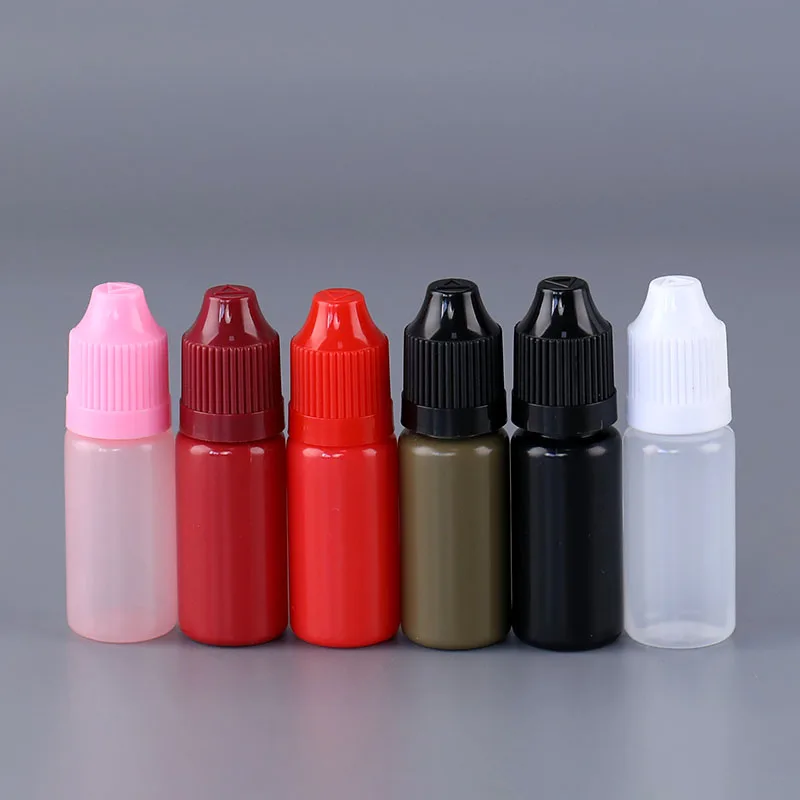
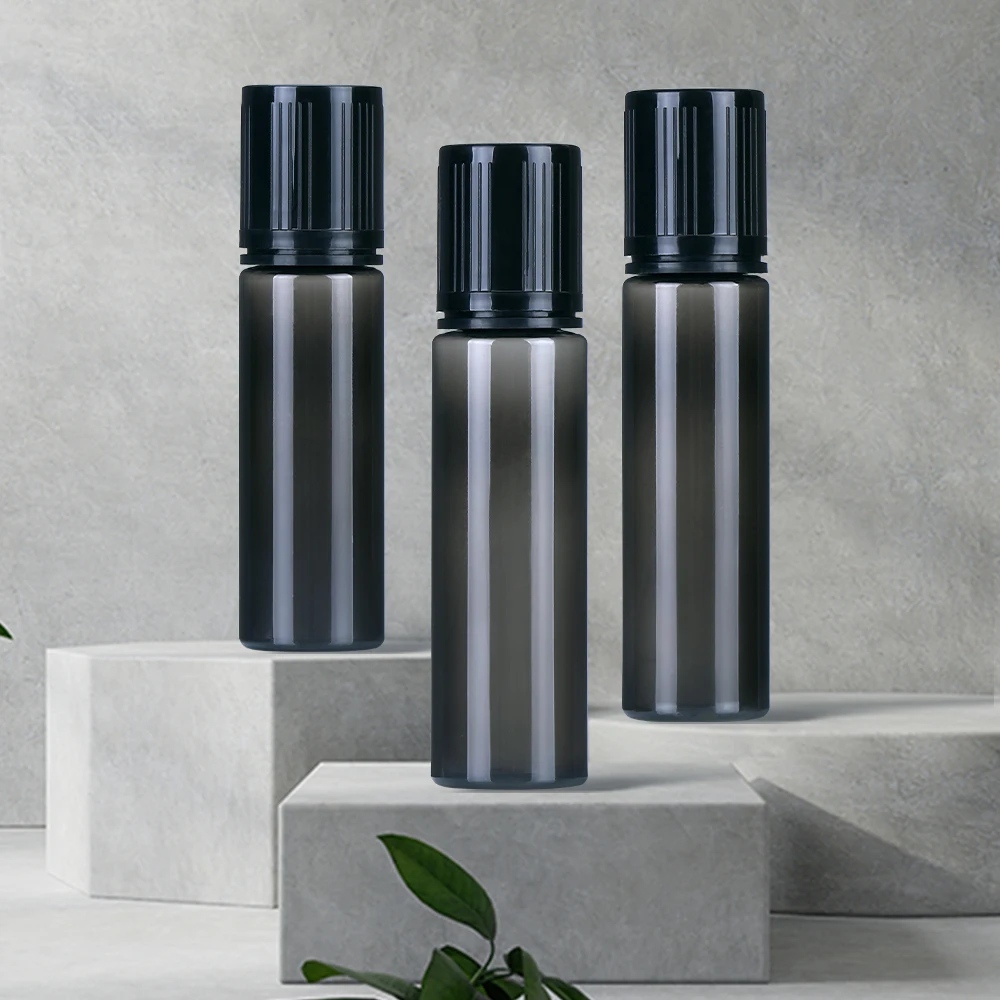
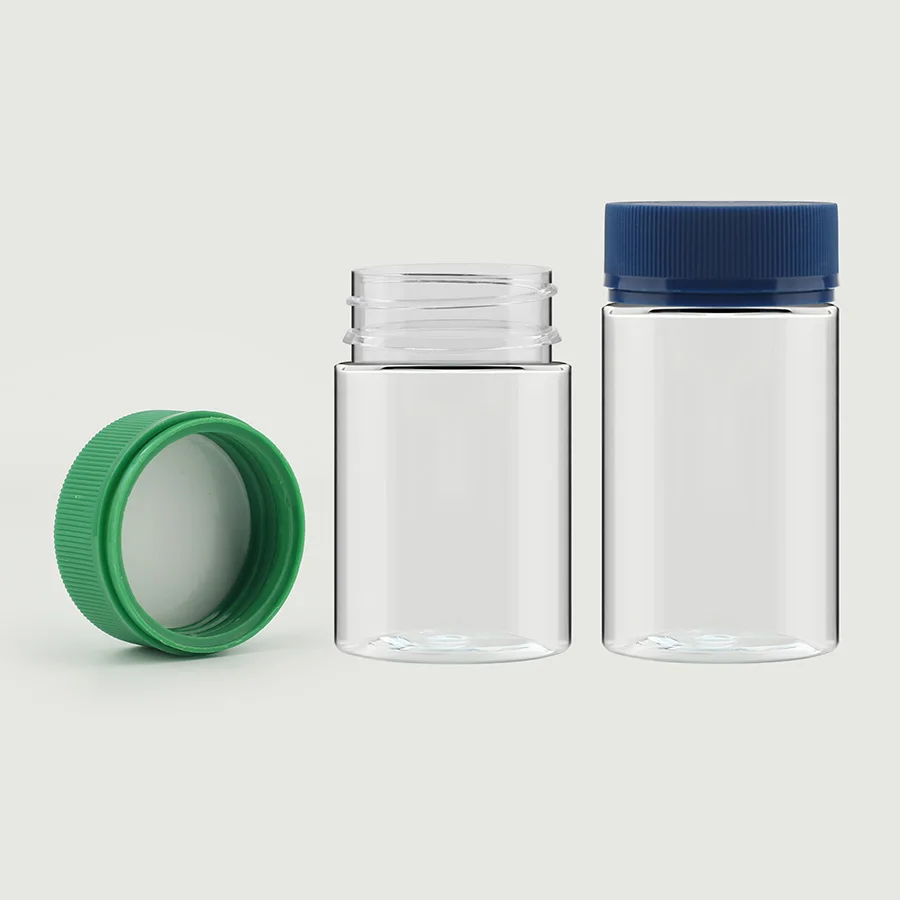
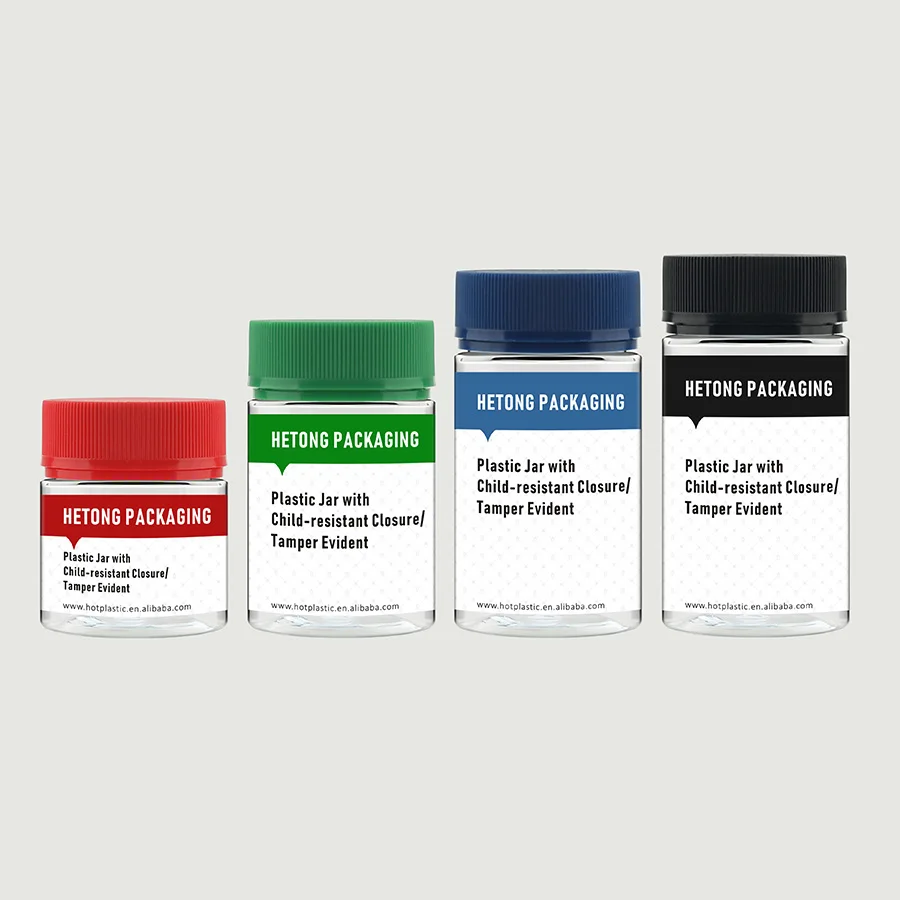
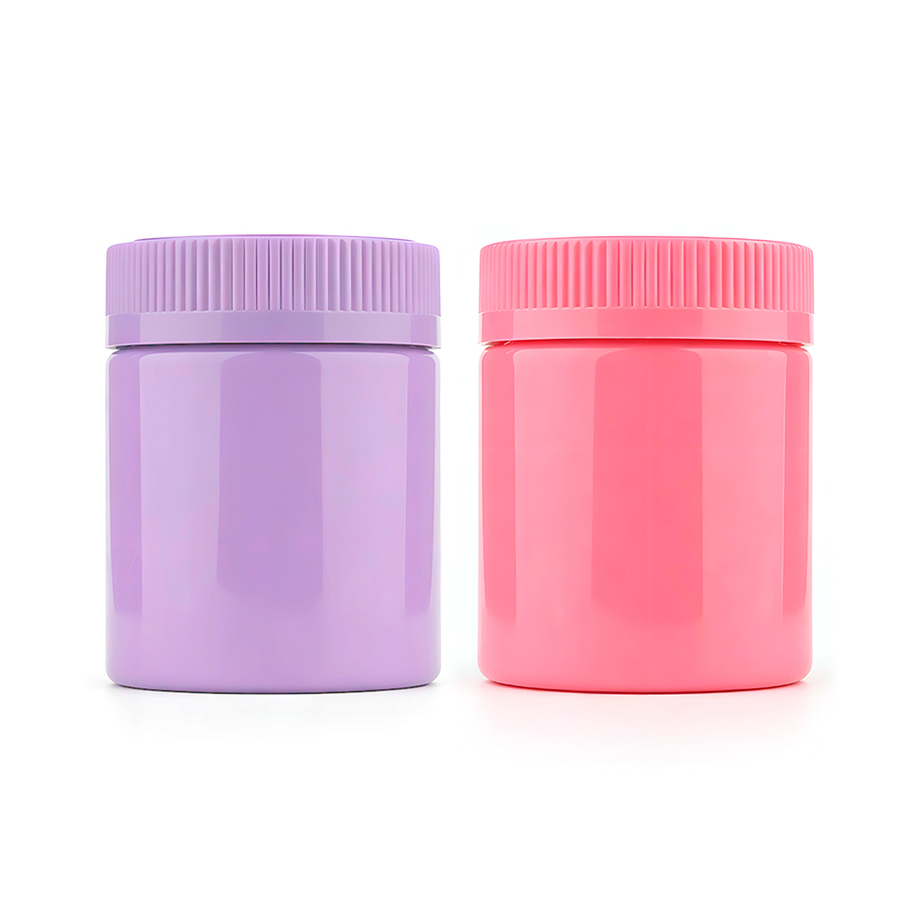
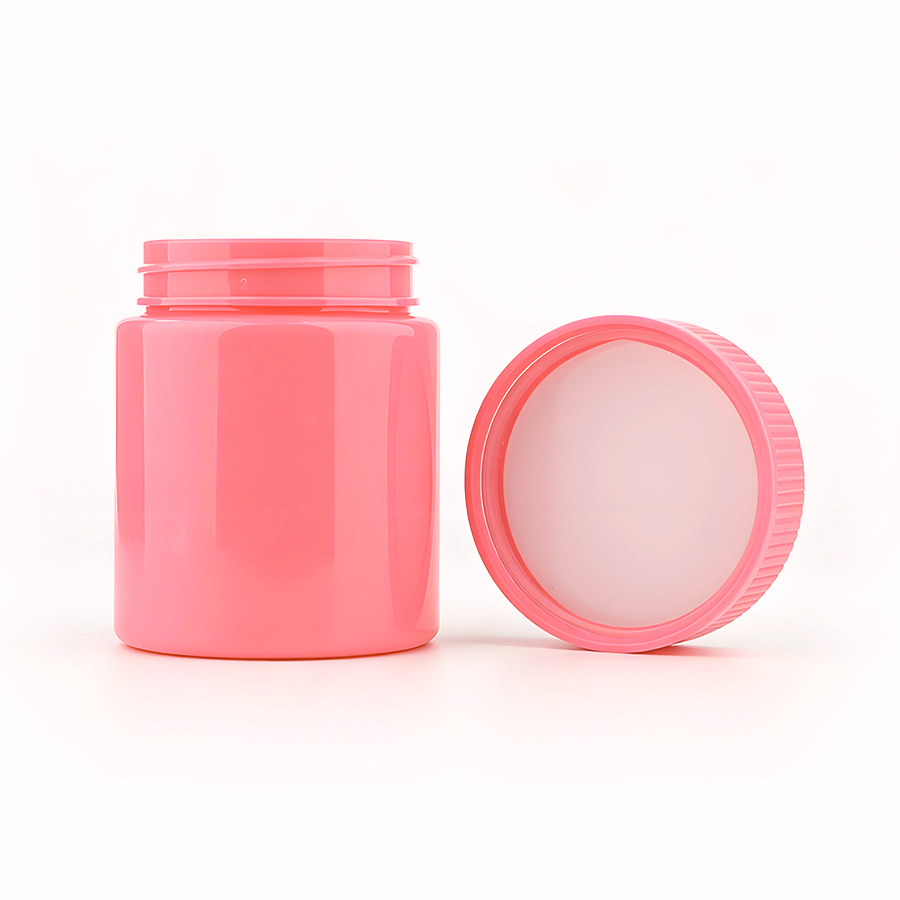
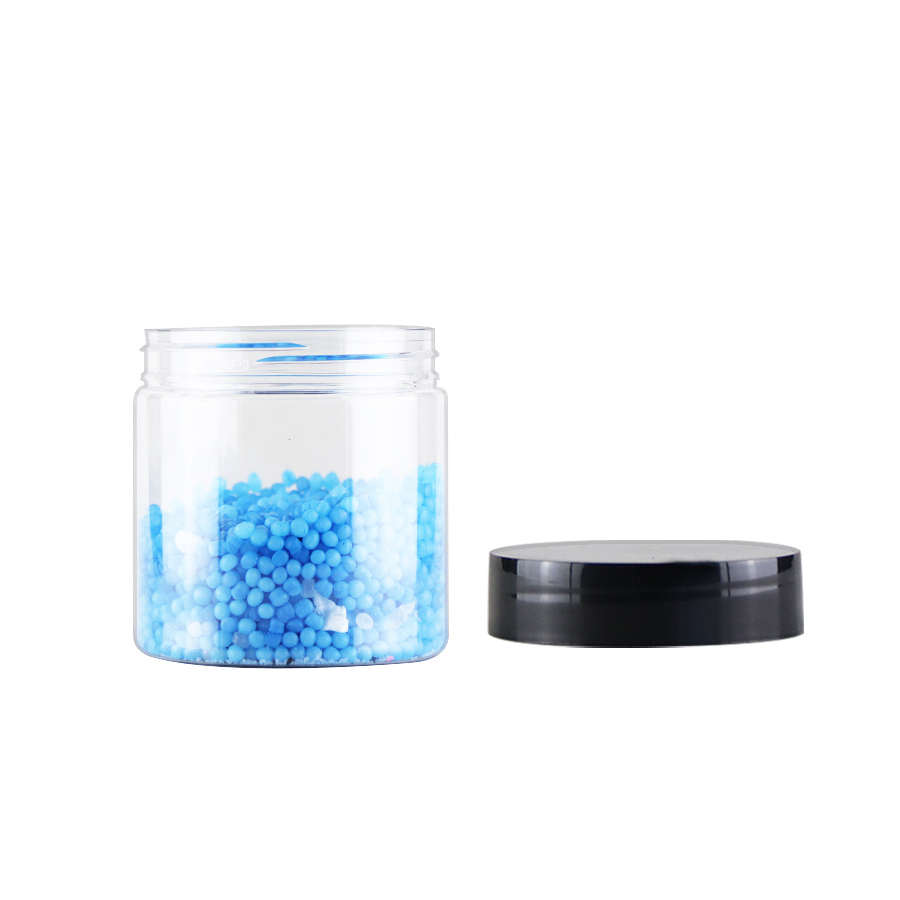
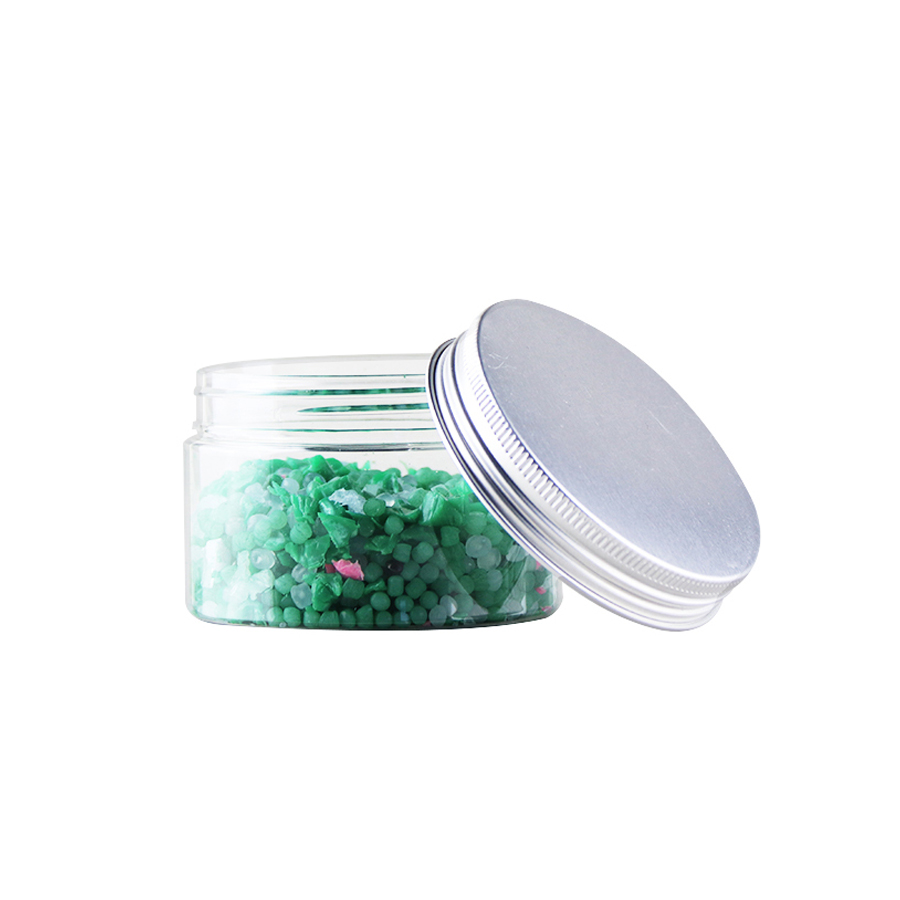
A plastic jar factory is a specialized manufacturing facility dedicated to producing high-quality plastic containers designed for diverse packaging needs. These factories utilize advanced injection molding and blow-molding technologies to create durable plastic jars in various sizes, shapes, and specifications. The plastic jar factory operates with precision equipment that ensures consistent product quality, dimensional accuracy, and compliance with international safety standards.
The primary function of a plastic jar factory involves transforming raw plastic materials into finished containers suitable for food, pharmaceuticals, cosmetics, and industrial applications. Modern plastic jar factories employ automated production lines that significantly enhance manufacturing efficiency and output capacity. These facilities feature quality control systems that monitor every stage of production, from material selection to final packaging.
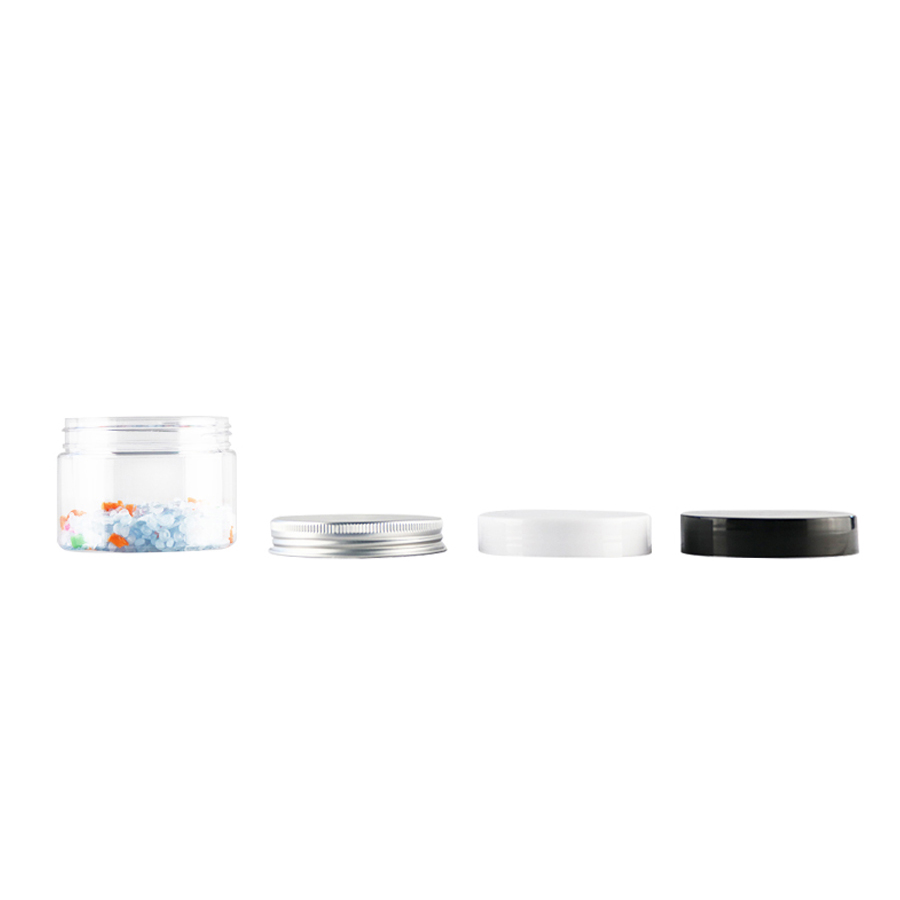
Technologically, a plastic jar factory integrates computer-controlled machinery, robotic assembly systems, and real-time inspection equipment. The facility maintains strict environmental standards and implements recycling programs to minimize waste. A plastic jar factory can customize products according to client specifications, including custom colors, embossing, and specialized closures.
Applications for containers produced by a plastic jar factory span numerous industries. Food manufacturers rely on these jars for storing sauces, spreads, and snacks. Pharmaceutical companies use them for medication storage, while cosmetic brands package creams and serums. Industrial sectors utilize these containers for lubricants and chemical storage. The plastic jar factory continuously innovates, developing lightweight designs that reduce shipping costs and environmentally-conscious alternatives using recycled materials for sustainability-focused businesses.

 EN
EN