Plastic Jars for Food Packaging: Durable, Versatile, and Fresh-Keeping Solutions

All Categories

Get a Free Quote

Our representative will contact you soon.
Email
Mobile/WhatsApp
Name
Company Name
Message
0/1000

plastic jars for food packaging

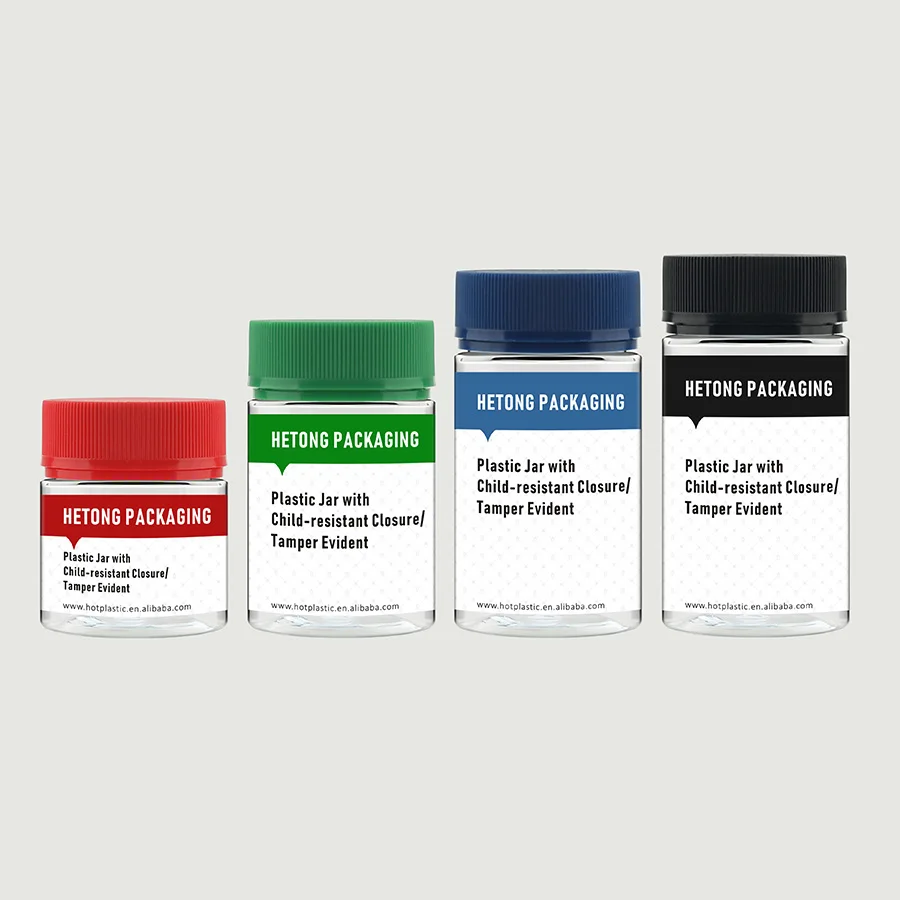
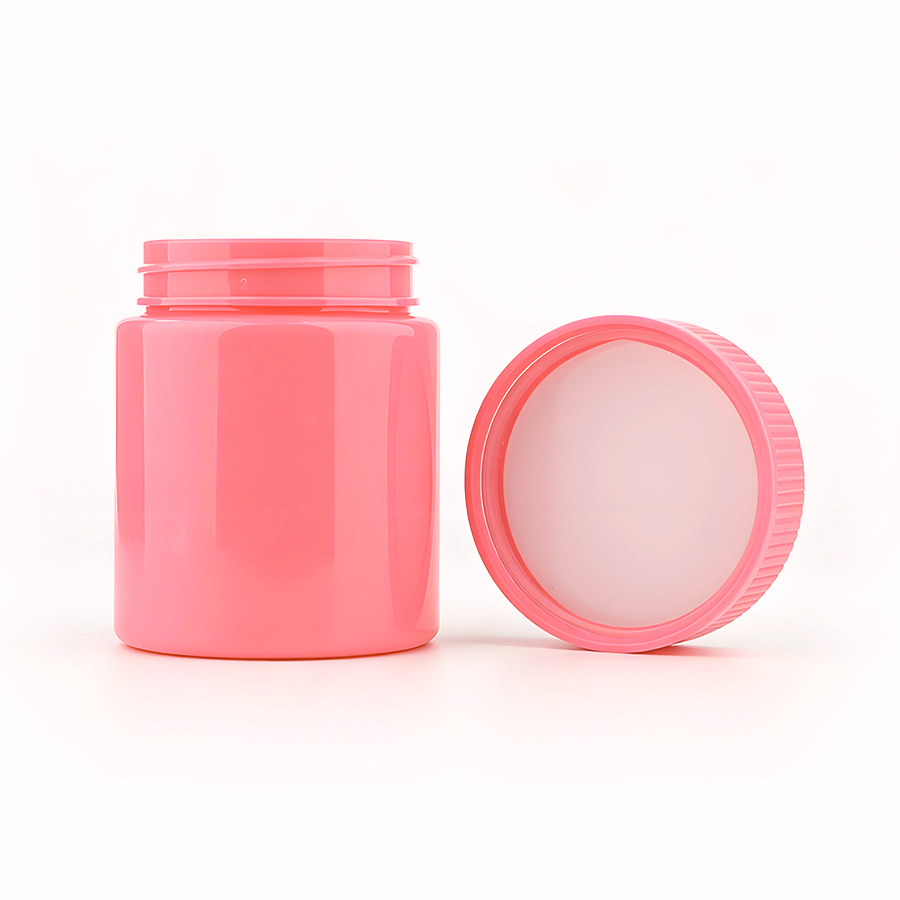
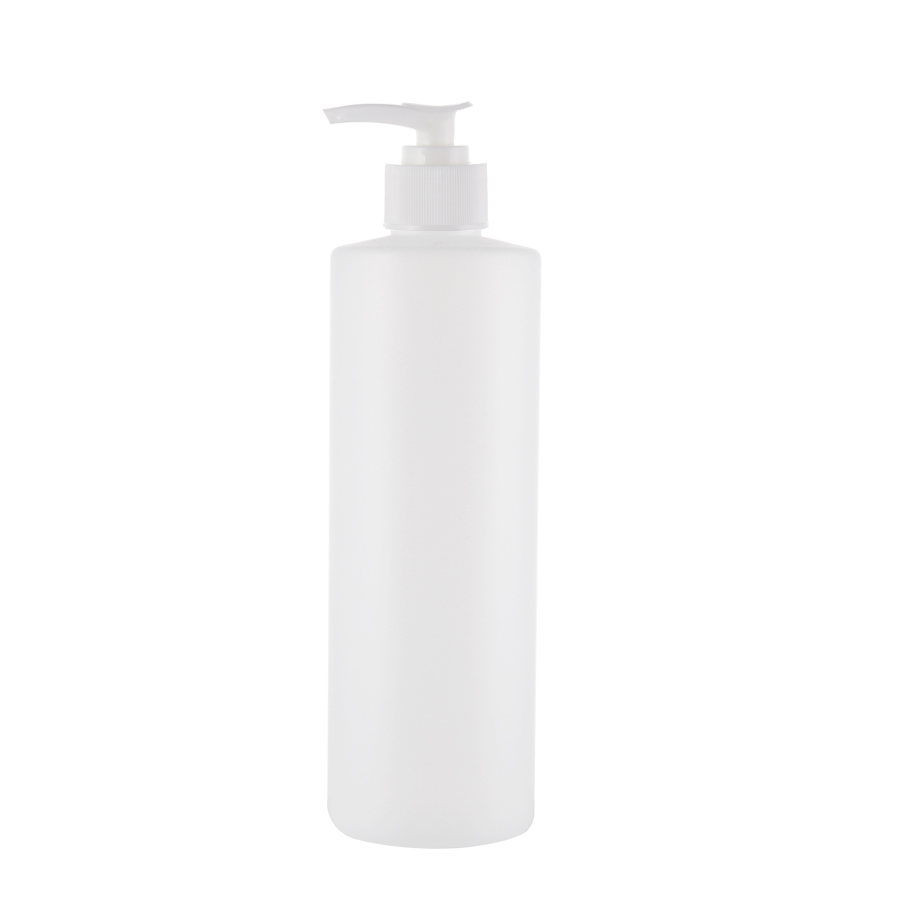
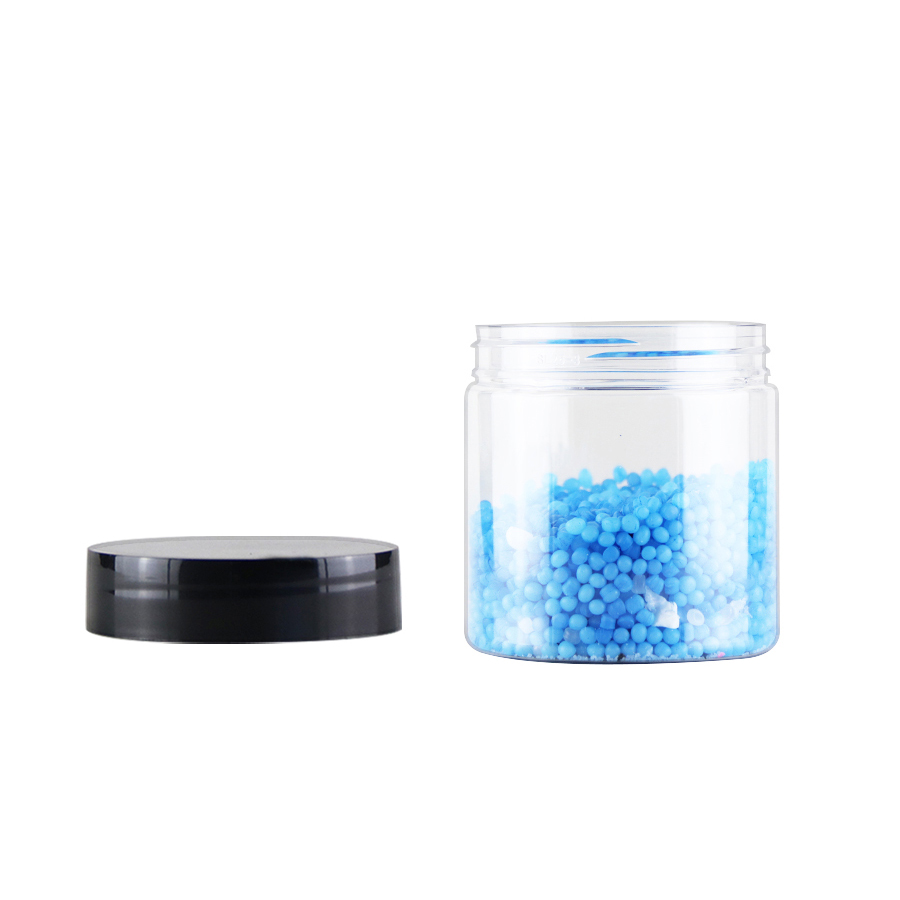
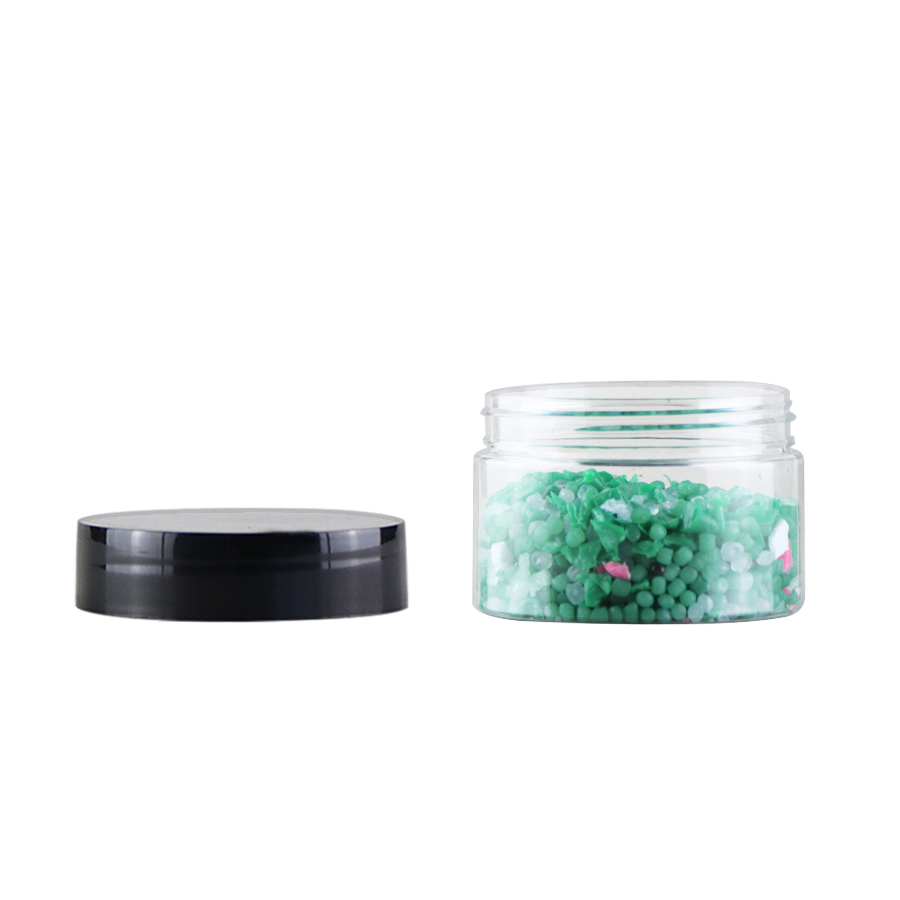
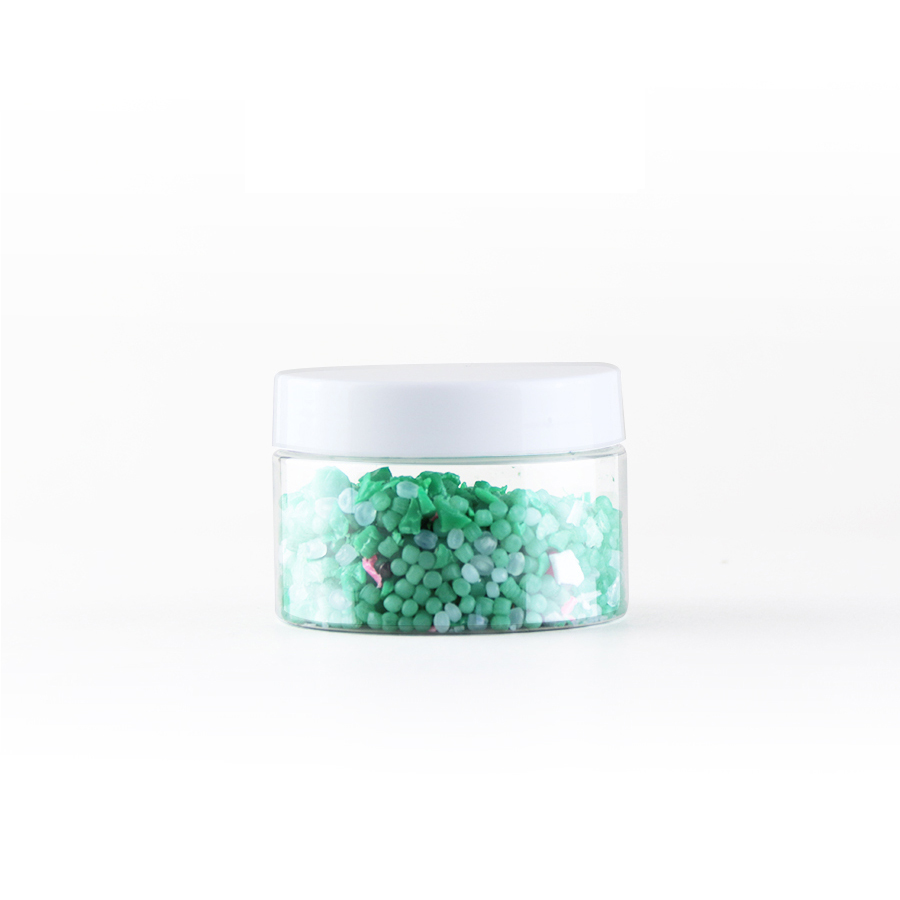
Plastic jars for food packaging have become one of the most widely used container solutions across the global food industry. These containers are designed to store, protect, and preserve a broad range of food products, from dry goods like nuts, spices, and cereals to wet or semi-liquid items such as sauces, jams, honey, and dairy-based spreads. Their versatility makes them a go-to choice for manufacturers, retailers, and consumers alike. At the core of their design, plastic jars for food packaging are engineered to maintain product freshness by creating a reliable barrier against moisture, oxygen, and external contaminants. Most are manufactured using food-grade materials such as PET (polyethylene terephthalate), HDPE (high-density polyethylene), PP (polypropylene), and PVC, each selected based on the specific requirements of the food product being stored. These materials are rigorously tested to meet international food safety standards, ensuring that no harmful chemicals leach into the contents. From a technological standpoint, plastic jars for food packaging incorporate several advanced features. Many are produced with multi-layer wall construction to enhance barrier properties, extending shelf life without the need for excessive preservatives. Tamper-evident seals and child-resistant closures are commonly integrated to ensure product integrity from the point of manufacture to the moment of consumer use. Wide-mouth openings allow for easy filling during production and convenient access for end users. Lightweight construction reduces transportation costs and lowers the overall carbon footprint compared to glass alternatives. In terms of applications, plastic jars for food packaging serve an enormous range of industries. They are used in the confectionery sector for candies and chocolates, in the health food market for protein powders and supplements, in the condiment industry for pickles and relishes, and in the baby food segment for purees and snacks. Their transparency allows consumers to see the product inside, which builds trust and supports purchasing decisions. Custom labeling and branding options further enhance their commercial appeal, making plastic jars for food packaging a practical and strategic packaging solution for businesses of all sizes.

New Product Recommendations

Plastic jars for food packaging offer a wide range of practical benefits that make them the preferred choice for food producers, retailers, and everyday consumers. Understanding these advantages helps businesses make smarter packaging decisions and gives shoppers confidence in the products they buy. Here is a straightforward look at why plastic jars for food packaging stand out from the competition. First, they are incredibly lightweight. Unlike glass jars, plastic jars for food packaging weigh significantly less, which directly reduces shipping costs. When you are moving thousands of units across distribution networks, that weight difference adds up fast. Lower shipping weight means lower fuel consumption, reduced freight charges, and a smaller environmental impact during transportation. Second, plastic jars for food packaging are highly durable. They resist shattering and cracking under normal handling conditions, which means fewer product losses during transit and on store shelves. This durability also makes them safer in home environments, especially in households with children, where a dropped jar will bounce rather than break into dangerous shards. Third, these containers offer excellent product visibility. Most plastic jars for food packaging are made from clear or semi-transparent materials, allowing consumers to see exactly what they are buying before they open the package. This transparency builds consumer trust and reduces the likelihood of returns or complaints related to product appearance. Fourth, plastic jars for food packaging are highly customizable. They come in a wide variety of shapes, sizes, and colors to suit different product types and brand identities. Whether you need a small 4-ounce jar for artisan honey or a large 64-ounce container for bulk peanut butter, there is a plastic jar format that fits your needs. Custom molds, embossed logos, and colored resins allow brands to create distinctive packaging that stands out on crowded retail shelves. Fifth, they provide strong product protection. Plastic jars for food packaging create an effective seal against moisture, air, and contaminants, helping food products maintain their flavor, texture, and nutritional value for longer periods. Many designs include tamper-evident features that give consumers immediate visual confirmation that a product has not been opened or compromised before purchase. Sixth, plastic jars for food packaging are cost-effective to produce. The raw materials and manufacturing processes involved are generally less expensive than those required for glass or metal containers, which means lower packaging costs for producers and more competitive pricing for consumers. Seventh, they support sustainable practices. Many plastic jars for food packaging are now made from recyclable or recycled materials, and some manufacturers offer options made from bio-based plastics. Choosing recyclable packaging helps businesses meet environmental goals and respond to growing consumer demand for greener products. Taken together, these advantages make plastic jars for food packaging a smart, reliable, and versatile solution for anyone involved in the food supply chain.

Practical Tips

Get a Free Quote

Our representative will contact you soon.
Email
Mobile/WhatsApp
Name
Company Name
Message
0/1000

plastic jars for food packaging

Superior Barrier Protection That Keeps Food Fresh Longer

Superior Barrier Protection That Keeps Food Fresh Longer

One of the most critical functions of any food packaging solution is its ability to protect the contents from spoilage, and plastic jars for food packaging excel in this area. The barrier performance of these containers is a direct result of the advanced materials and manufacturing techniques used in their production. Food-grade plastics such as PET and PP are selected specifically because they offer low permeability to oxygen and moisture, two of the primary drivers of food degradation. When oxygen is kept out, oxidation slows down, which means fats stay fresh, colors remain vibrant, and flavors are preserved for a longer period. When moisture is controlled, products like spices, powders, and dried snacks retain their texture and do not clump or become stale. Plastic jars for food packaging often feature multi-layer wall construction, where different plastic layers are combined to create a composite barrier that outperforms any single material on its own. This technology is particularly valuable for products with high fat content or strong aromas, where containment and freshness are equally important. Beyond the material itself, the closure system plays a major role in barrier performance. Induction-sealed lids, snap-on caps, and screw-top closures all contribute to an airtight environment inside the jar. Many plastic jars for food packaging also incorporate desiccant-compatible designs, allowing moisture-absorbing packets to be included with the product to further extend shelf life. For manufacturers, this means fewer product recalls, less waste, and stronger customer satisfaction scores. For consumers, it means buying a product that looks, smells, and tastes exactly as it should, right up to the expiration date. The combination of high-performance materials, intelligent structural design, and reliable closure systems makes the barrier protection offered by plastic jars for food packaging one of their most compelling and commercially valuable features. Businesses that prioritize freshness and shelf life will find that investing in quality plastic jars for food packaging pays dividends in reduced spoilage losses and improved brand reputation.
Versatile Design Options That Strengthen Brand Identity

Versatile Design Options That Strengthen Brand Identity

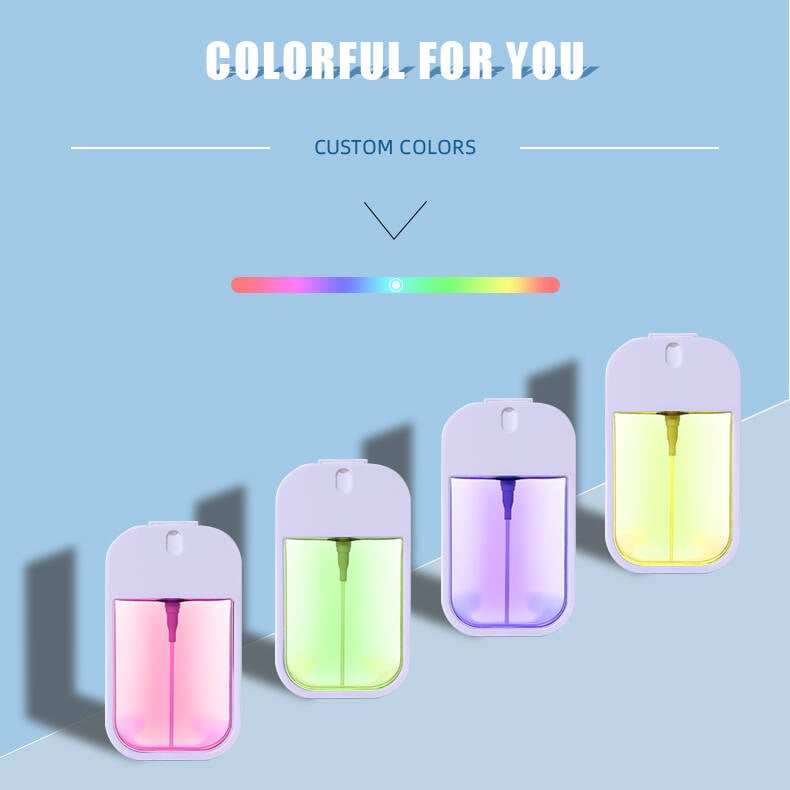
In a competitive retail environment, packaging is not just a container, it is a communication tool. Plastic jars for food packaging offer an exceptional level of design flexibility that allows brands to create packaging that is both functional and visually compelling. This versatility is one of the key reasons why so many food companies across different market segments choose plastic jars for food packaging as their primary container format. The design possibilities begin with shape. Unlike glass, which requires expensive molds and long lead times, plastic jars for food packaging can be produced in a wide variety of forms, from classic cylindrical profiles to square, hexagonal, and custom contoured shapes. This freedom allows brands to develop a distinctive silhouette that consumers recognize instantly on the shelf. Color is another powerful design variable. Plastic resins can be tinted in virtually any color, enabling brands to align their packaging with their visual identity or to differentiate product lines within the same family. Frosted finishes, metallic effects, and gradient tones are all achievable with modern plastic processing techniques. Label application is also highly adaptable on plastic jars for food packaging. Pressure-sensitive labels, shrink-sleeve labels, and direct printing methods all work effectively on plastic surfaces, giving designers the freedom to use full-color graphics, embossed textures, and high-resolution imagery to tell their brand story. For premium products, in-mold labeling offers a seamless, high-end appearance that elevates perceived value. Closure options add another layer of customization. Flip-top lids, dispensing caps, wide-mouth openings, and child-resistant closures can all be paired with plastic jars for food packaging to match the specific usage requirements of the product inside. A protein powder brand might choose a wide-mouth jar with a scoop-friendly opening, while a hot sauce producer might prefer a narrow-neck design with a controlled-pour cap. This depth of customization means that plastic jars for food packaging can be tailored to serve virtually any food product category while simultaneously reinforcing brand identity and enhancing the consumer experience at every touchpoint.
Cost Efficiency and Sustainability That Support Long-Term Business Growth

Cost Efficiency and Sustainability That Support Long-Term Business Growth

For food businesses operating in a margin-sensitive environment, packaging costs are a significant line item, and plastic jars for food packaging deliver meaningful cost advantages at every stage of the supply chain. Understanding these financial and environmental benefits helps businesses make packaging decisions that support both profitability and long-term sustainability goals. Starting with production costs, plastic jars for food packaging are generally less expensive to manufacture than glass or metal alternatives. The raw materials are widely available, the molding processes are highly automated, and the cycle times are fast, all of which contribute to lower per-unit costs. For high-volume producers, these savings can be substantial, freeing up budget for product development, marketing, or other strategic investments. Transportation costs are another area where plastic jars for food packaging deliver clear financial benefits. Because plastic is significantly lighter than glass, shipping the same number of units costs less in terms of fuel and freight. This weight advantage also reduces the risk of breakage during transit, which means fewer damaged goods, fewer insurance claims, and less product waste. In warehouse and retail environments, the durability of plastic jars for food packaging reduces handling losses and keeps inventory in sellable condition for longer. On the sustainability front, the industry has made significant progress in developing plastic jars for food packaging that align with circular economy principles. Many manufacturers now offer jars made from post-consumer recycled content, reducing the demand for virgin plastic and lowering the overall carbon footprint of the packaging. PET plastic, one of the most common materials used in plastic jars for food packaging, has one of the highest recycling rates of any packaging material, and infrastructure for collecting and processing it continues to expand globally. Some forward-thinking brands are also exploring bio-based plastics derived from renewable sources such as sugarcane or corn starch, which offer a reduced environmental impact compared to petroleum-based alternatives. By choosing plastic jars for food packaging that are designed with recyclability and material efficiency in mind, food businesses can meet the growing expectations of environmentally conscious consumers while also reducing their operational costs. This combination of economic efficiency and environmental responsibility makes plastic jars for food packaging a strategically sound choice for businesses that are planning for long-term growth in a market where sustainability is increasingly a purchasing driver.

Get a Free Quote

Our representative will contact you soon.
Email
Mobile/WhatsApp
Name
Company Name
Message
0/1000