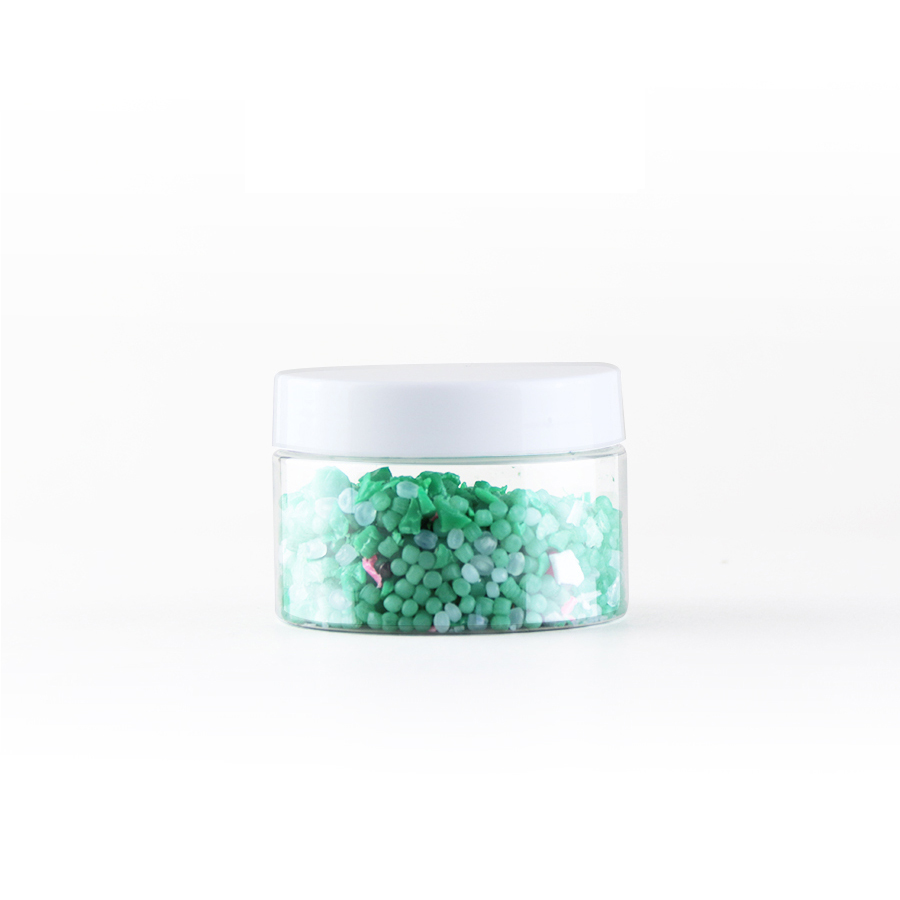
Premium Food Safe Plastic Jars - Durable Storage Solutions for Home and Commercial Use

All Categories

Get a Free Quote

Our representative will contact you soon.
Email
Mobile/WhatsApp
Name
Company Name
Message
0/1000

food safe plastic jars

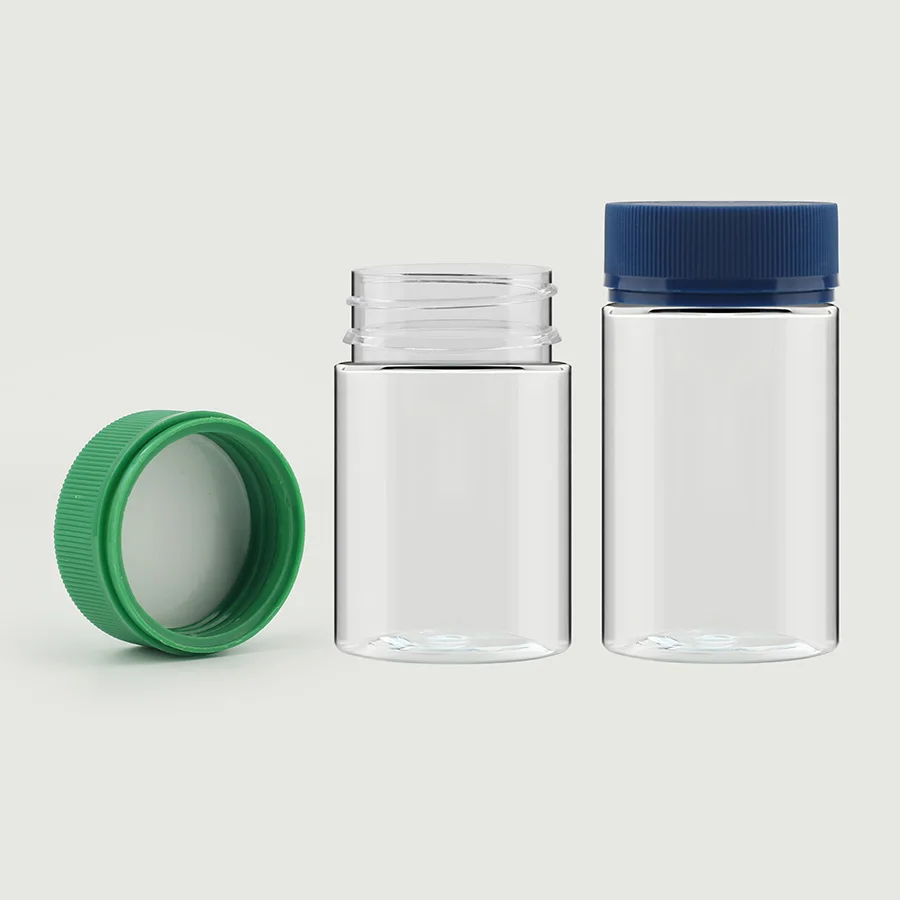
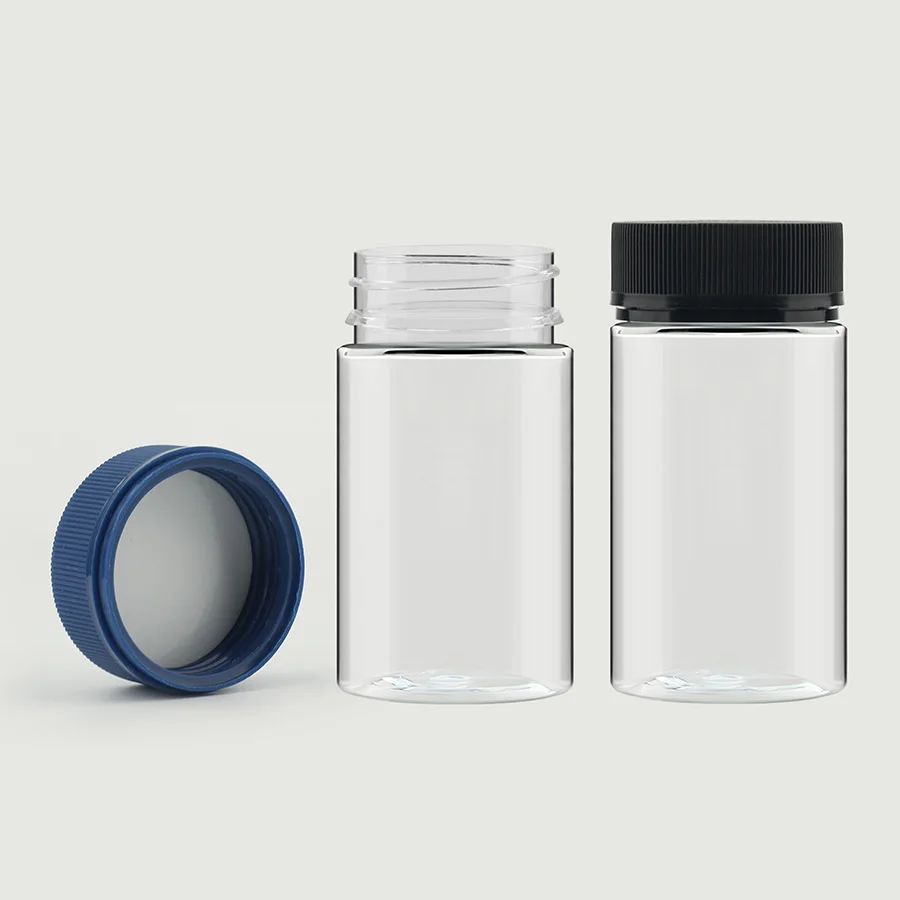
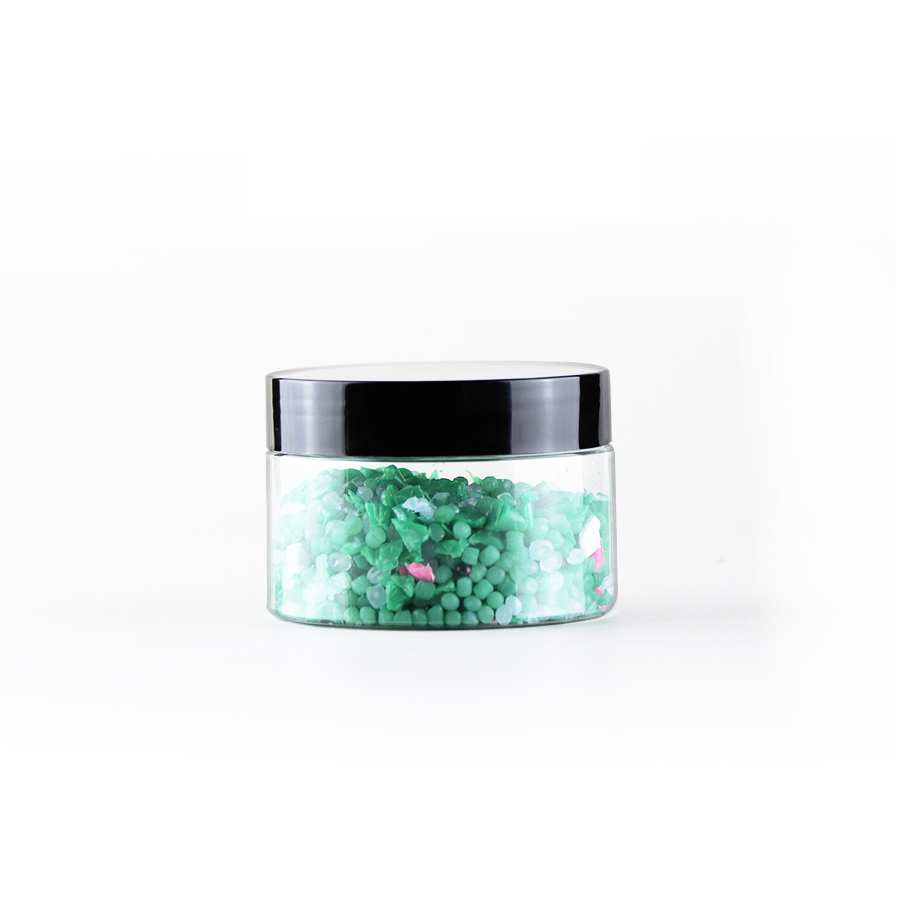
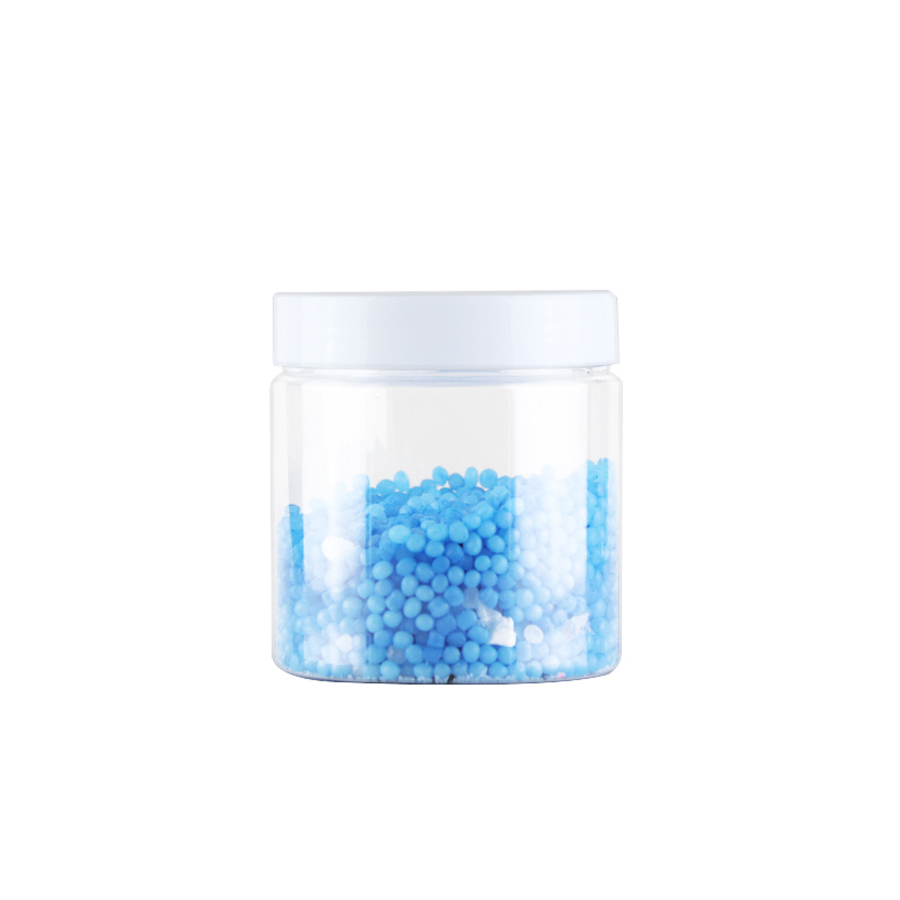
Food safe plastic jars represent an essential storage solution designed specifically to maintain the integrity and freshness of edible products while ensuring consumer safety. These specialized containers are manufactured from high-grade plastics that meet stringent regulatory standards established by food safety authorities worldwide, including FDA approval and EU compliance certifications. The primary function of food safe plastic jars extends beyond simple containment; they create a protective barrier between food items and external contaminants, preventing oxidation, moisture intrusion, and bacterial growth that could compromise product quality. Technological features incorporated into modern food safe plastic jars include advanced polymer formulations that resist chemical leaching, ensuring no harmful substances migrate into stored contents even under varying temperature conditions. These containers typically feature airtight sealing mechanisms with precision-engineered threaded closures or snap-on lids that maintain optimal atmospheric conditions inside the jar. Many food safe plastic jars incorporate transparent or translucent materials, allowing visual inspection of contents without opening the container, which helps preserve freshness while enabling inventory management. The applications for food safe plastic jars span numerous sectors within the food industry, from commercial food processing facilities to home kitchens. They serve as ideal vessels for storing dry goods such as grains, nuts, seeds, spices, and baking ingredients, while also accommodating liquids including sauces, dressings, honey, and preserves. Retail establishments utilize food safe plastic jars for bulk food displays, enabling customers to purchase desired quantities while maintaining hygiene standards. The food service industry relies on these containers for ingredient prep and storage in professional kitchens. Additionally, food safe plastic jars have become popular among health-conscious consumers who prepare homemade products, fermented foods, or meal-prep components. Their durability, lightweight construction, and resistance to breakage make food safe plastic jars superior alternatives to traditional glass containers in environments where safety concerns exist, such as facilities serving children or outdoor catering operations where transportation challenges demand robust packaging solutions.

New Products

The advantages of food safe plastic jars deliver tangible benefits that address real-world storage challenges faced by businesses and consumers alike. First and foremost, these containers provide exceptional durability that withstands daily handling without cracking or shattering, eliminating the safety hazards associated with broken glass and reducing replacement costs over time. This resilience proves particularly valuable in busy commercial kitchens where multiple staff members access storage areas frequently throughout service periods. The lightweight nature of food safe plastic jars significantly reduces shipping expenses for businesses that distribute packaged products, while also making them easier for individuals to handle during everyday use, especially for those with limited strength or mobility concerns. Temperature versatility stands as another major advantage, as quality food safe plastic jars maintain structural integrity across a broad range of conditions, from refrigerator storage to pantry shelving, without warping or degrading. Many varieties can even withstand freezer temperatures, expanding storage options for preserving seasonal ingredients or batch-cooked meals. The transparent construction common in food safe plastic jars allows instant content identification without opening containers, reducing unnecessary exposure to air and contaminants while streamlining kitchen organization and inventory management processes. This visibility helps prevent food waste by keeping stored items visible and accessible rather than forgotten in opaque containers. Cost effectiveness represents a compelling advantage for budget-conscious shoppers and businesses managing tight operational margins, as food safe plastic jars typically cost significantly less than comparable glass alternatives while delivering comparable performance for most applications. The chemical resistance engineered into food safe plastic jars prevents absorption of odors and flavors from previously stored contents, allowing containers to be thoroughly cleaned and repurposed for different ingredients without cross-contamination concerns. This versatility maximizes the value of each jar throughout its extended lifespan. Space efficiency emerges through stackable designs and uniform sizing that optimizes storage capacity in pantries, refrigerators, and commercial storage facilities where maximizing every inch of available space directly impacts operational efficiency. The wide mouth openings featured on many food safe plastic jars facilitate easy filling and emptying, accommodating scoops and utensils comfortably while simplifying cleaning procedures. Environmental considerations have also improved as manufacturers increasingly produce food safe plastic jars from recyclable materials, allowing responsible disposal options that align with sustainability goals. Many users appreciate the reduced anxiety when children handle food safe plastic jars compared to glass alternatives, creating safer environments in family kitchens and educational settings where cooking activities introduce young learners to food preparation skills without unnecessary risk.

Latest News

Get a Free Quote

Our representative will contact you soon.
Email
Mobile/WhatsApp
Name
Company Name
Message
0/1000

food safe plastic jars

Superior Safety Standards and Non-Toxic Material Composition

Superior Safety Standards and Non-Toxic Material Composition

The foundation of quality food safe plastic jars rests upon their rigorous adherence to internationally recognized safety certifications and non-toxic material specifications that guarantee consumer protection. These containers are manufactured exclusively from food-grade plastics such as PET, HDPE, or polypropylene, materials specifically selected for their inert properties that prevent chemical interactions with stored food products. Unlike inferior plastics that may contain harmful additives, stabilizers, or plasticizers, properly certified food safe plastic jars undergo extensive testing protocols to verify they release no detectable levels of dangerous compounds even when exposed to acidic, oily, or alcoholic foods that might otherwise trigger leaching from substandard materials. Regulatory bodies including the Food and Drug Administration in the United States and the European Food Safety Authority establish strict migration limits defining maximum allowable transfer of substances from packaging to food, and reputable manufacturers of food safe plastic jars ensure their products exceed these baseline requirements by substantial margins. Third-party laboratory testing validates compliance through accelerated aging studies and contact simulation experiments that replicate years of typical use under various storage conditions. The molecular structure of approved food-grade plastics features stable polymer chains that resist breakdown from exposure to light, oxygen, and temperature fluctuations within normal storage parameters, maintaining protective properties throughout the jar's functional lifetime. This stability proves especially critical for long-term storage applications where foods remain in contact with container surfaces for months or years, such as bulk grain storage or preserved goods. Consumer confidence stems from visible certification marks and material identification codes embossed on food safe plastic jars, providing transparent information about composition and recyclability. Parents particularly value this safety assurance when storing baby foods, children's snacks, or ingredients for family meals, knowing containers meet the same stringent standards applied to products sold in commercial food packaging. Businesses benefit from liability protection that accompanies certified food safe plastic jars, as proper documentation of compliance demonstrates due diligence in selecting appropriate packaging materials for food contact applications, reducing legal exposure related to contamination claims or health concerns.
Exceptional Sealing Technology for Extended Freshness Preservation

Exceptional Sealing Technology for Extended Freshness Preservation

Advanced sealing mechanisms integrated into modern food safe plastic jars deliver exceptional freshness preservation that extends product shelf life and maintains optimal quality characteristics of stored foods. The engineering behind effective jar seals combines precision manufacturing tolerances with carefully selected gasket materials that create reliable barriers against atmospheric exchange. Threaded closure systems found on premium food safe plastic jars feature multiple engagement points that distribute pressure evenly around the entire circumference of the opening, eliminating weak spots where air infiltration might compromise contents. Specialized liner materials within lids, often composed of food-grade foam or silicone compounds, conform to minor irregularities in jar rim surfaces, compensating for microscopic imperfections that could otherwise create leak paths. This comprehensive sealing approach proves essential for maintaining the crisp texture of crackers and cereals, preventing moisture absorption that causes staleness, while also protecting humidity-sensitive ingredients like powdered spices and baking mixes from clumping due to atmospheric moisture exposure. For liquid and semi-liquid products including sauces, honey, nut butters, and salad dressings, superior sealing prevents leakage during storage and transportation, eliminating messy spills that waste product and create cleaning challenges. The airtight environment created by properly sealed food safe plastic jars inhibits oxidation reactions that degrade nutritional content, alter flavors, and promote rancidity in fats and oils present in nuts, seeds, and oil-based preparations. Oxygen exclusion additionally suppresses growth of aerobic bacteria, molds, and yeasts that require atmospheric oxygen for proliferation, significantly extending the safe storage period for susceptible foods. Many food safe plastic jars incorporate tamper-evident features within their sealing systems, providing visible indication if containers have been opened after initial sealing, which offers security for commercial products and peace of mind for consumers concerned about product integrity. Wide-mouth designs paired with effective seals accommodate vacuum sealing accessories for users seeking enhanced preservation capabilities, enabling removal of residual air to create negative pressure environments that further inhibit spoilage mechanisms. The reusability of quality sealing systems on food safe plastic jars delivers ongoing value as containers maintain effective sealing performance through hundreds of open-close cycles without degradation of gasket materials or thread mechanisms, supporting sustainable practices by extending jar functional lifespans well beyond single-use packaging alternatives.
Versatile Design Adaptability Across Diverse Storage Applications

Versatile Design Adaptability Across Diverse Storage Applications

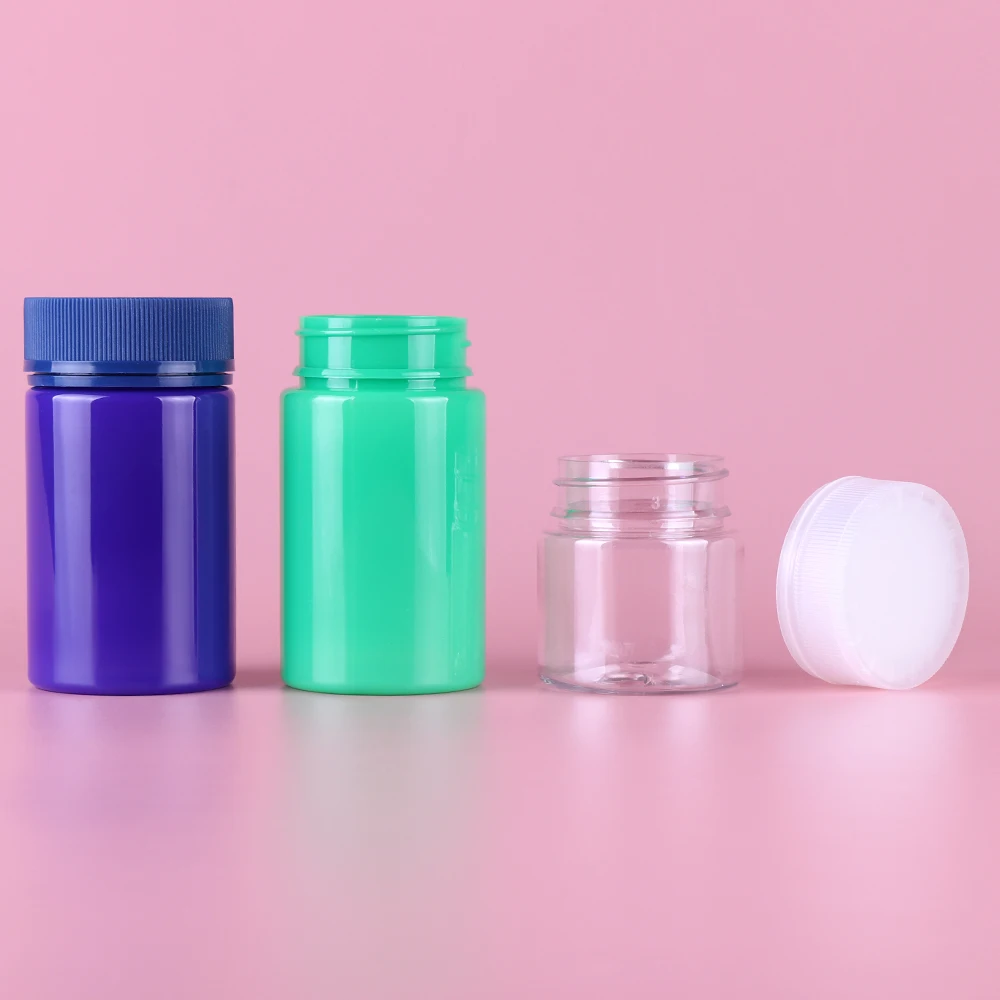
The remarkable versatility of food safe plastic jars manifests through thoughtful design elements that accommodate an extraordinarily broad spectrum of storage requirements across residential, commercial, and industrial applications. Size variety represents a fundamental aspect of this adaptability, with manufacturers offering food safe plastic jars in capacities ranging from small containers holding just a few ounces for spice storage or sample portions to large multi-gallon vessels suitable for bulk ingredient storage in commercial kitchens or food production facilities. This dimensional diversity enables users to match container size precisely to stored quantities, minimizing wasted space and reducing excess air volume inside containers that could accelerate product degradation. Shape variations extend beyond simple cylindrical forms to include square and rectangular profiles that maximize storage efficiency by eliminating gaps between containers when arranged on shelves or in refrigerators, effectively increasing usable capacity within fixed storage spaces. Wide-mouth openings on many food safe plastic jars facilitate easy access for scooping dry ingredients, inserting whole fruits during fermentation projects, or accommodating kitchen utensils during filling and retrieval operations, while narrower openings on alternative designs provide controlled dispensing for liquids or fine powders. Specialized closure types address specific functional requirements, from flip-top caps offering single-handed operation convenience to shaker-style lids with adjustable openings for controlled seasoning dispensing. The transparent or translucent properties of most food safe plastic jars support various organizational systems, allowing color-coded lid selections or label placements that create intuitive categorization schemes in pantries and storage areas. Stackability features engineered into food safe plastic jars through complementary base and lid contours enable vertical storage configurations that maximize utilization of available height in cabinets and storage rooms, particularly valuable in space-constrained urban kitchens or commercial operations with limited square footage. Customization possibilities allow businesses to select food safe plastic jars that align with brand aesthetics through various finish options, from crystal-clear surfaces showcasing product appearance to frosted or colored materials that provide light protection for photosensitive ingredients while supporting visual brand identity. The chemical resistance inherent in quality food safe plastic jars permits storage of challenging substances including vinegar-based pickles, alcohol-containing extracts, and citric acid-rich preserves without container degradation, expanding utility beyond simple dry goods storage. Temperature tolerance spanning refrigeration to ambient storage enables seamless transition of food safe plastic jars between different storage environments as needs change, supporting flexible meal planning and ingredient management strategies that respond to seasonal variations and consumption patterns without requiring container transfers that risk contamination or spillage.

Get a Free Quote

Our representative will contact you soon.
Email
Mobile/WhatsApp
Name
Company Name
Message
0/1000