plastic jar packaging
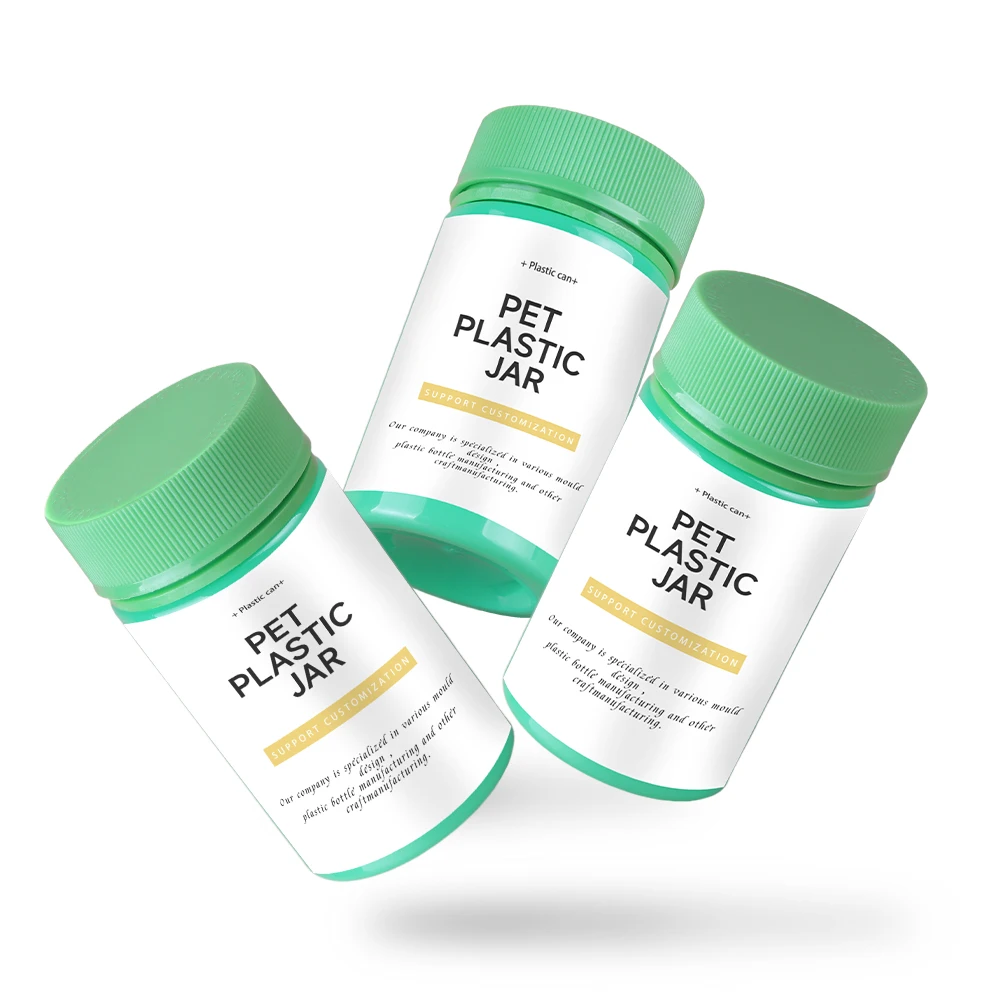
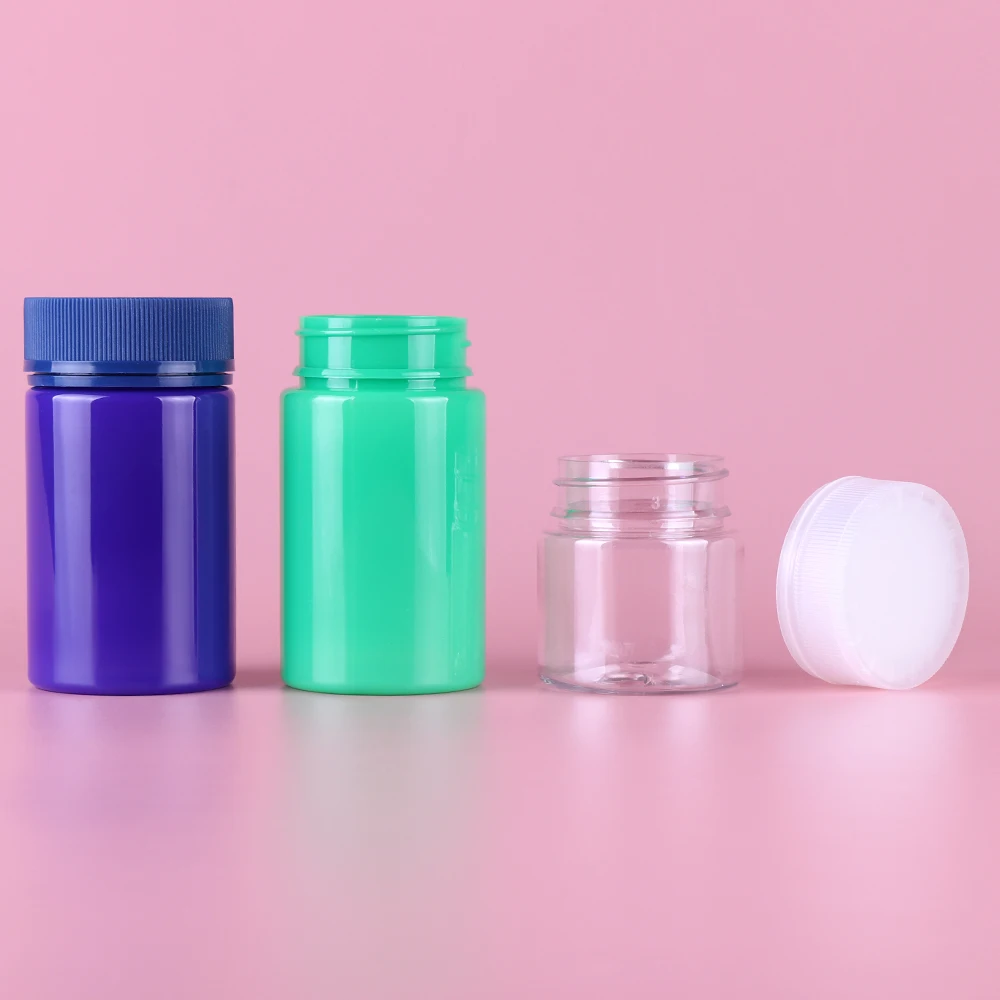
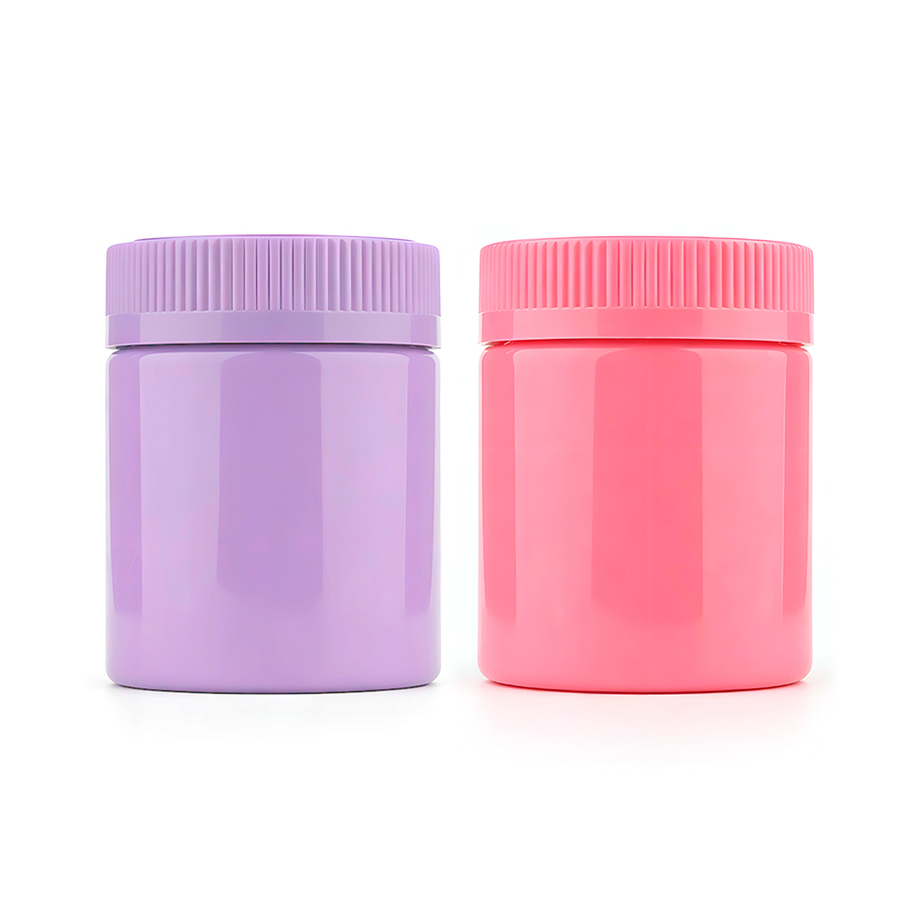
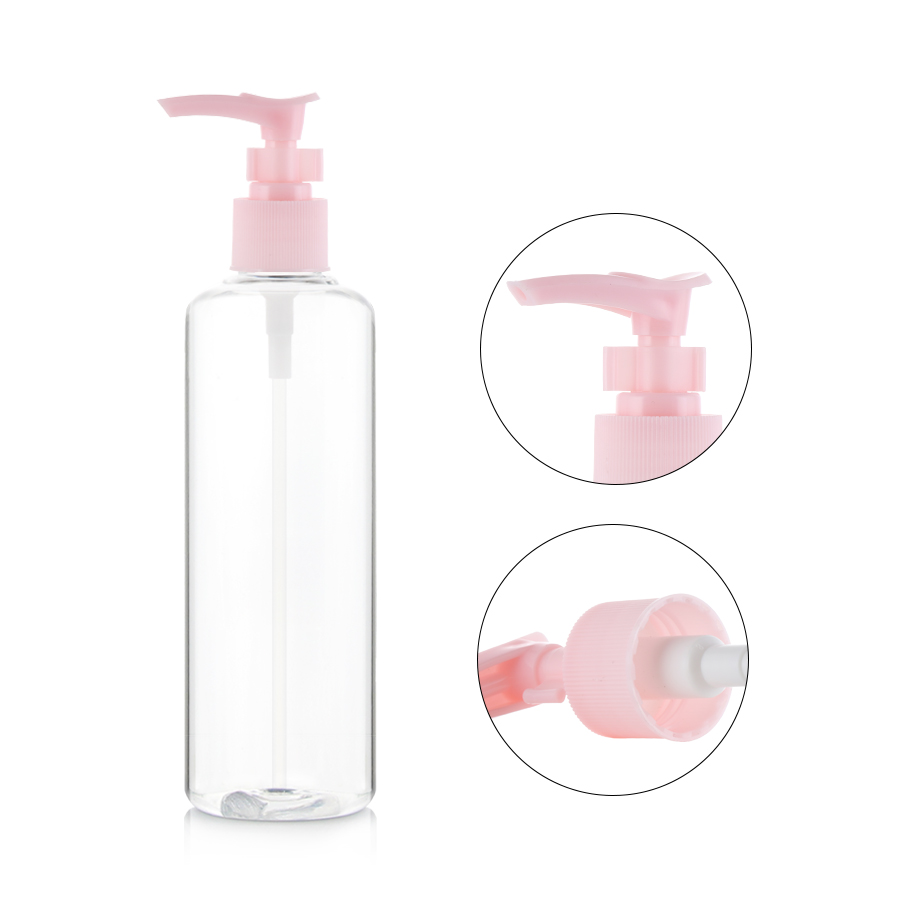
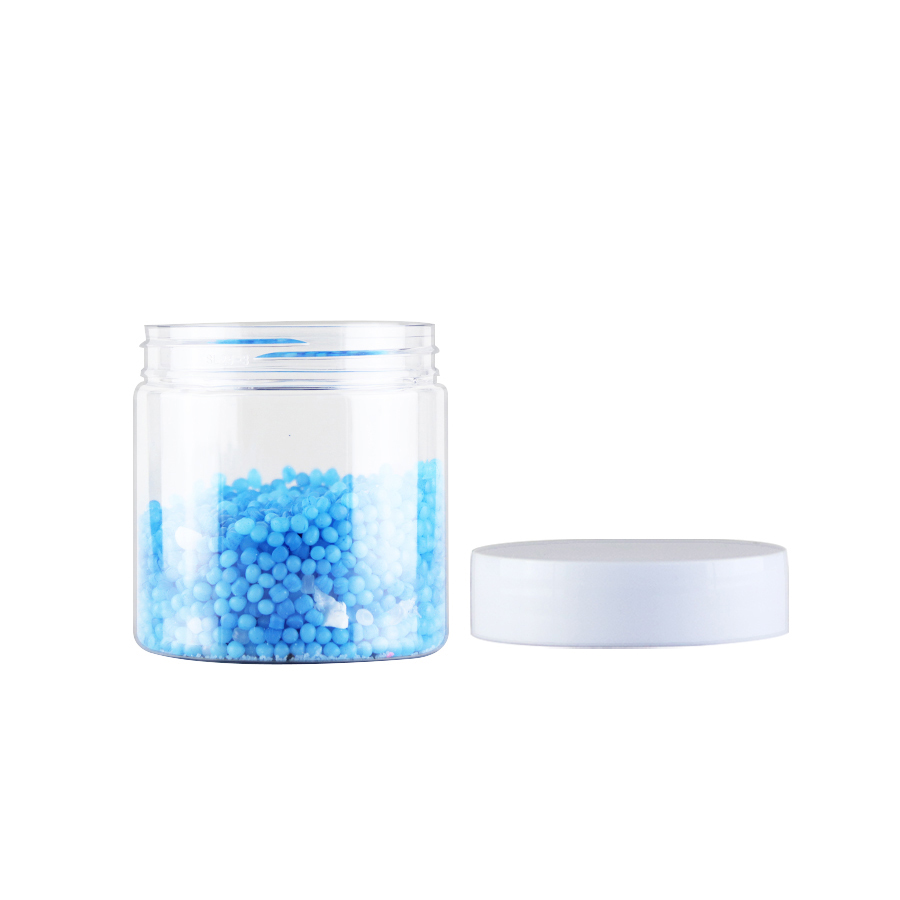
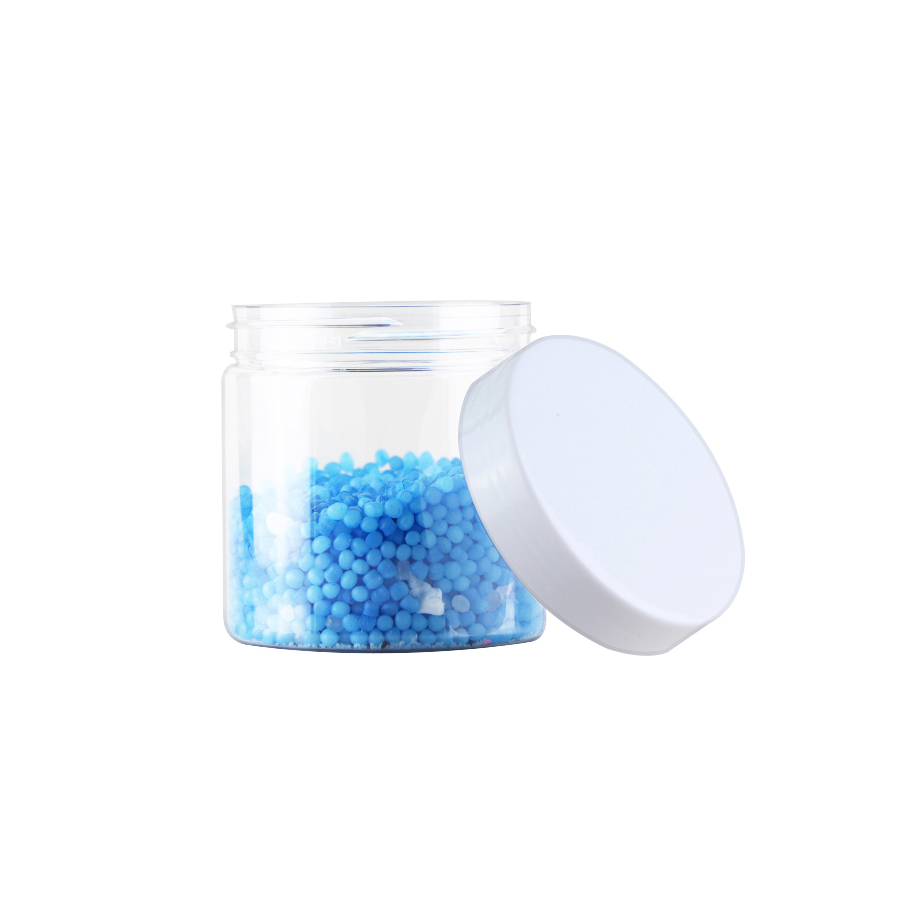
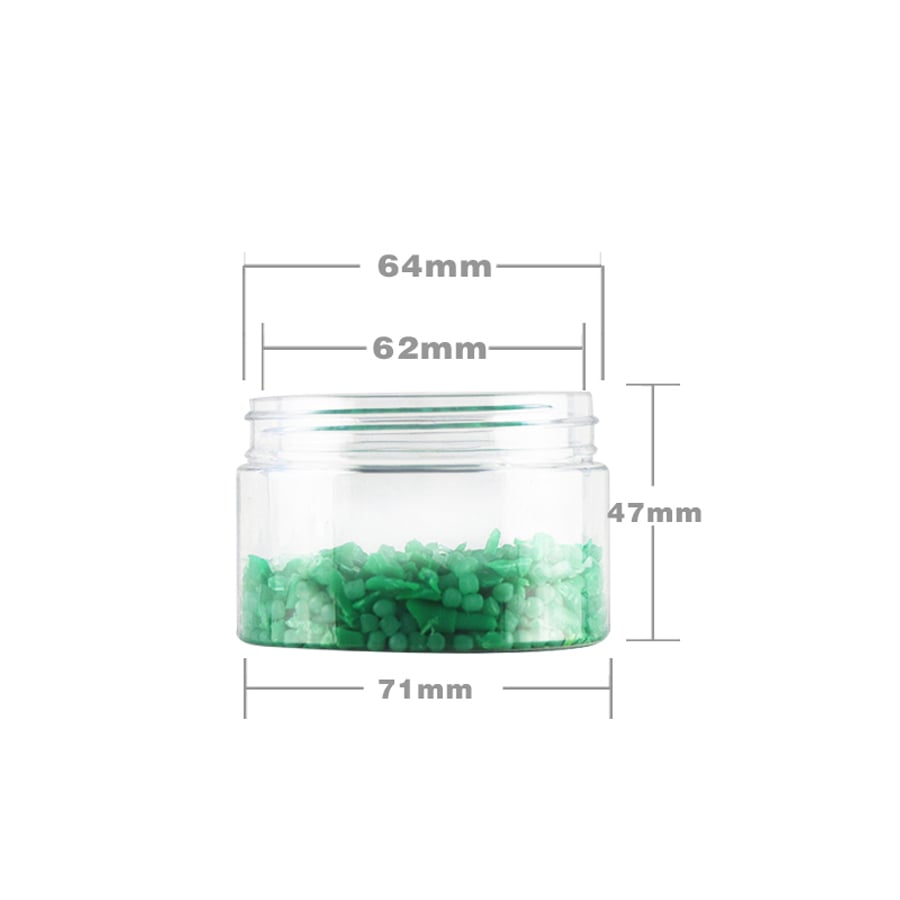
Plastic jar packaging represents a modern solution for storing and protecting various products across numerous industries. These containers combine functionality with practical design elements that meet contemporary packaging demands. Plastic jar packaging provides an effective barrier against environmental factors, ensuring product integrity throughout storage and transportation. The main functions of plastic jar packaging include protecting contents from contamination, moisture, light exposure, and physical damage while maintaining product freshness and quality. Technological features integrated into plastic jar packaging encompass advanced sealing mechanisms, tamper-evident designs, and UV-protective materials that safeguard sensitive products. The versatility of plastic jar packaging makes it suitable for cosmetics, pharmaceuticals, food products, beverages, and industrial applications. Manufacturers design plastic jar packaging with precision to accommodate various product viscosities and weights, ensuring compatibility across different sectors. The structural integrity of plastic jar packaging allows for efficient stacking and storage, reducing warehousing costs. Modern plastic jar packaging utilizes recyclable materials, addressing environmental concerns while maintaining durability. Clear or opaque variants of plastic jar packaging cater to specific branding and product display requirements. The innovation in plastic jar packaging continues to evolve, incorporating features like measuring marks and ergonomic handles for enhanced user experience. Understanding plastic jar packaging characteristics helps businesses select appropriate solutions for their specific packaging needs. The combination of protection, versatility, and cost-effectiveness makes plastic jar packaging an industry-standard choice for manufacturers and retailers worldwide.

 EN
EN