polyethylene jars
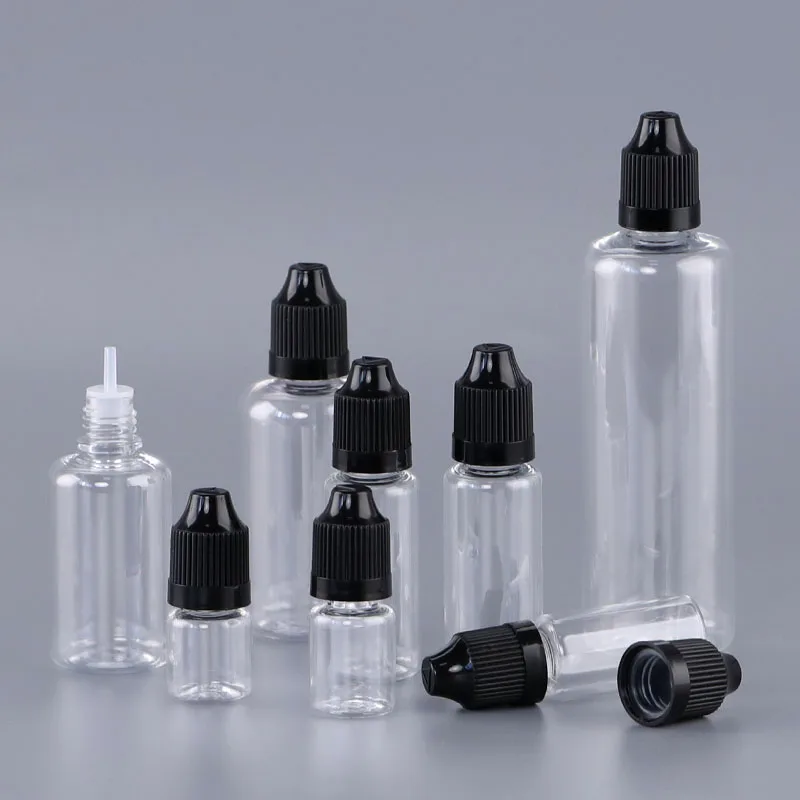
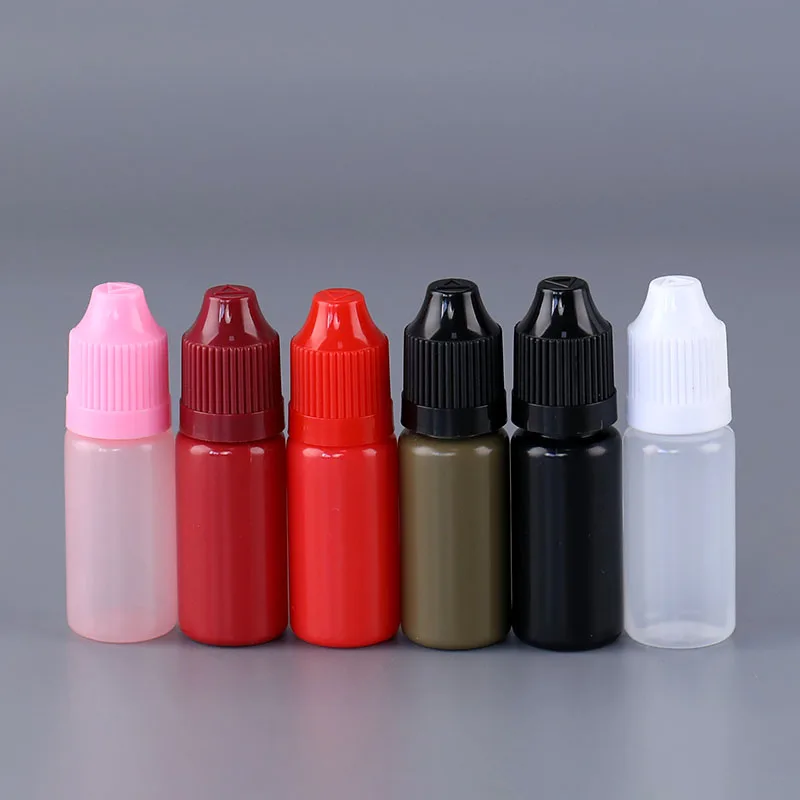
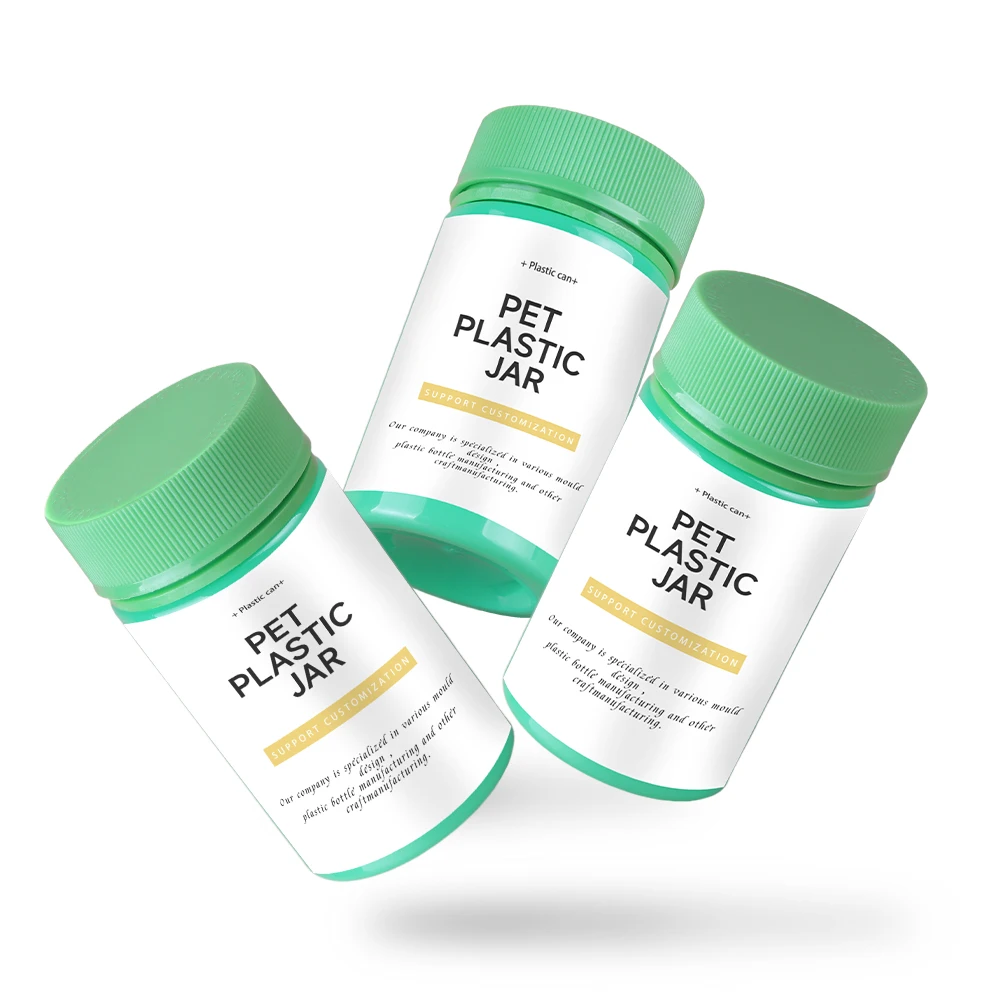
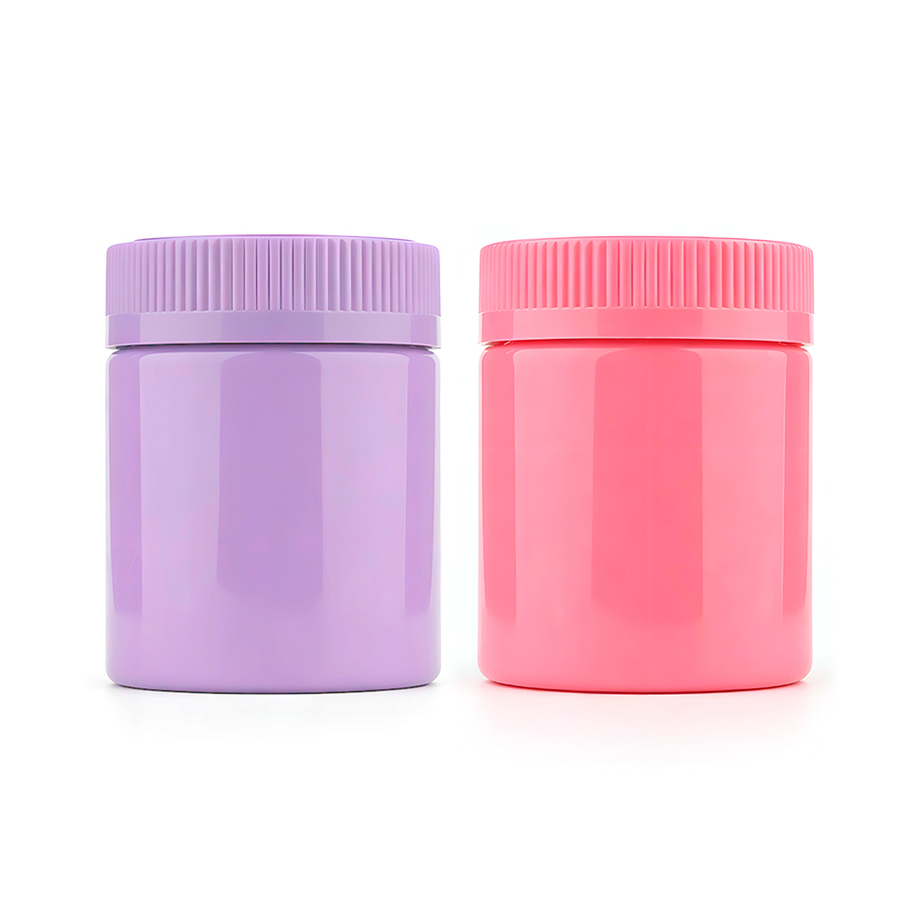
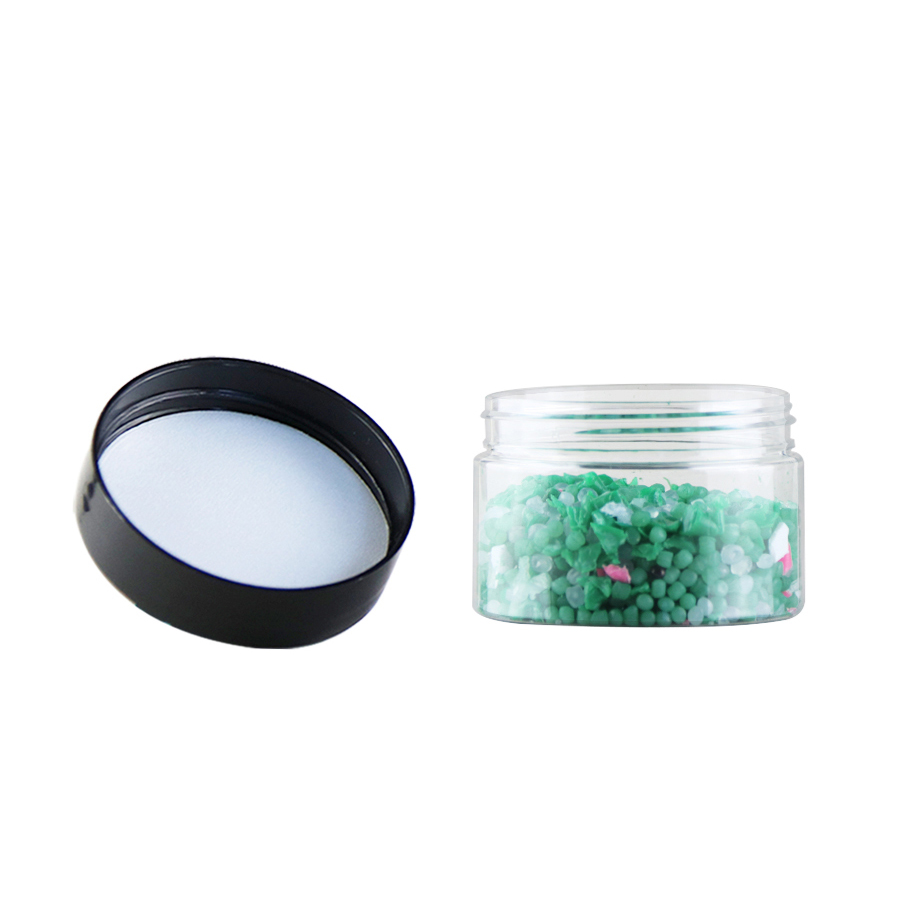
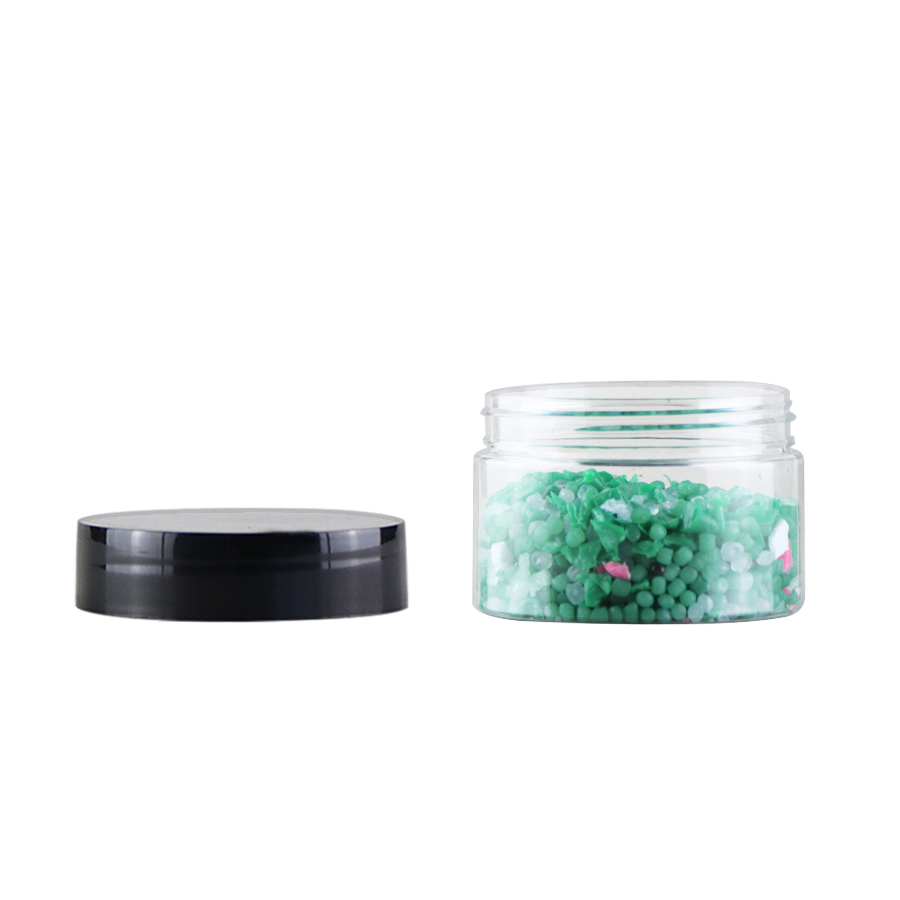
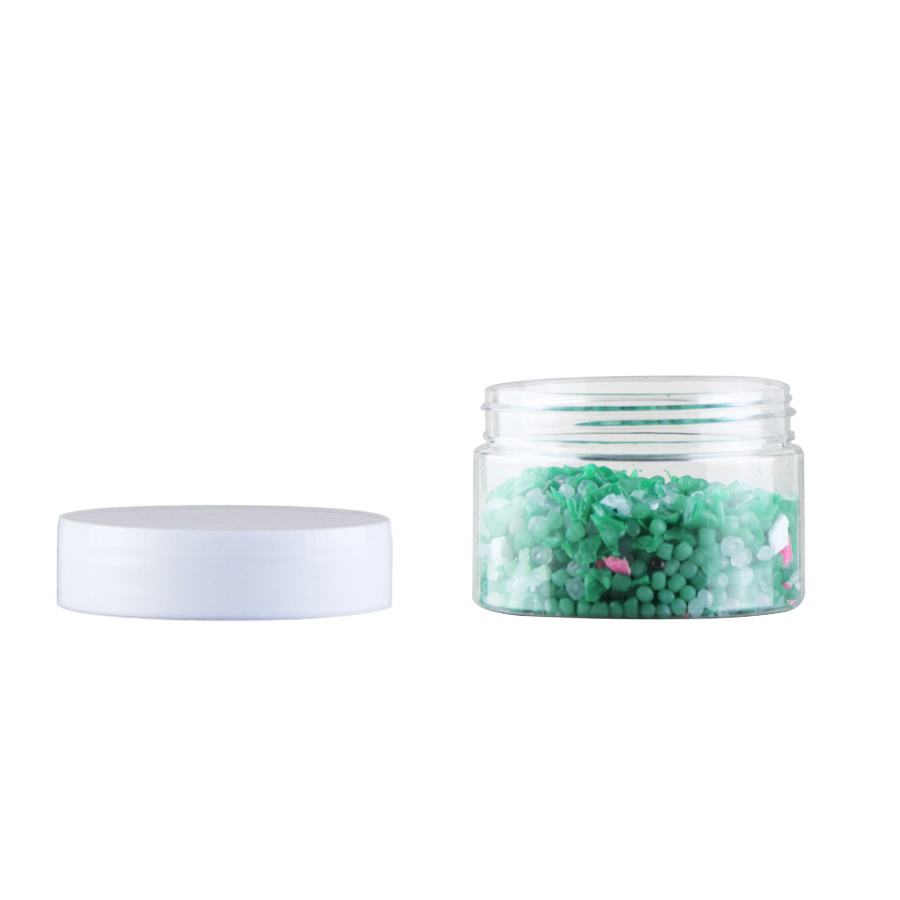
Polyethylene jars represent a versatile and practical storage solution designed for multiple industries and household applications. These polyethylene jars are manufactured from high-density polyethylene material, offering exceptional durability and chemical resistance. The primary function of polyethylene jars is to provide secure, reliable containment for various substances, including food products, pharmaceuticals, cosmetics, and industrial chemicals.
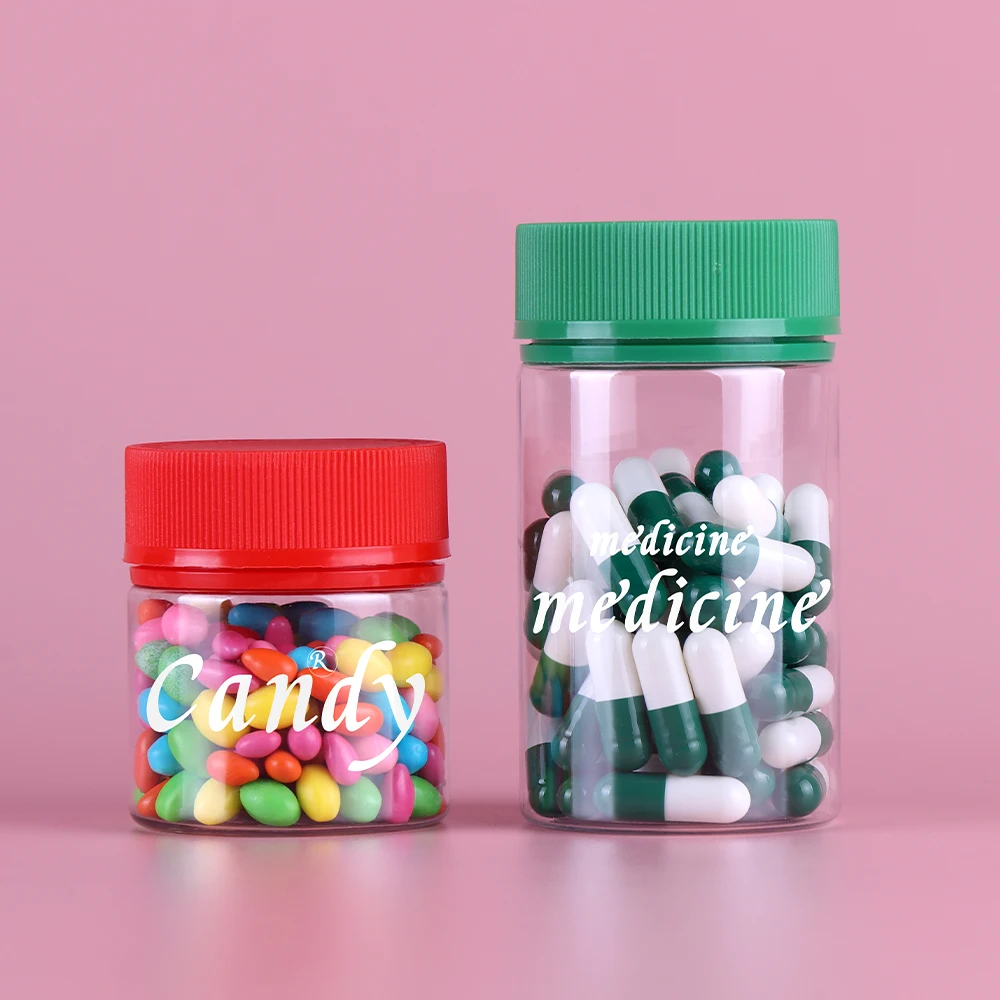
The technological features of polyethylene jars include superior moisture barriers that prevent contamination and extend product shelf life. These jars come equipped with leak-proof sealing mechanisms and stackable designs that optimize storage space efficiency. Polyethylene jars feature transparent walls, allowing users to easily monitor contents without opening the container. The material's inherent resistance to impact ensures that polyethylene jars maintain structural integrity during transportation and handling.
Applications for polyethylene jars span numerous sectors. In the food industry, polyethylene jars store dry goods, spices, and preserved items safely. The pharmaceutical sector utilizes polyethylene jars for medication storage, ensuring product stability and safety compliance. Cosmetic manufacturers rely on polyethylene jars for creams, lotions, and beauty products. Industrial applications include chemical storage, where polyethylene jars provide reliable containment. Retail businesses employ polyethylene jars for product display and consumer packaging. The versatility of polyethylene jars makes them indispensable across commercial, industrial, and domestic environments, delivering consistent performance and reliability.

 EN
EN