Empty PET Bottle: Lightweight, Durable and Sustainable Packaging Solutions

All Categories

Get a Free Quote

Our representative will contact you soon.
Email
Mobile/WhatsApp
Name
Company Name
Message
0/1000

empty pet bottle

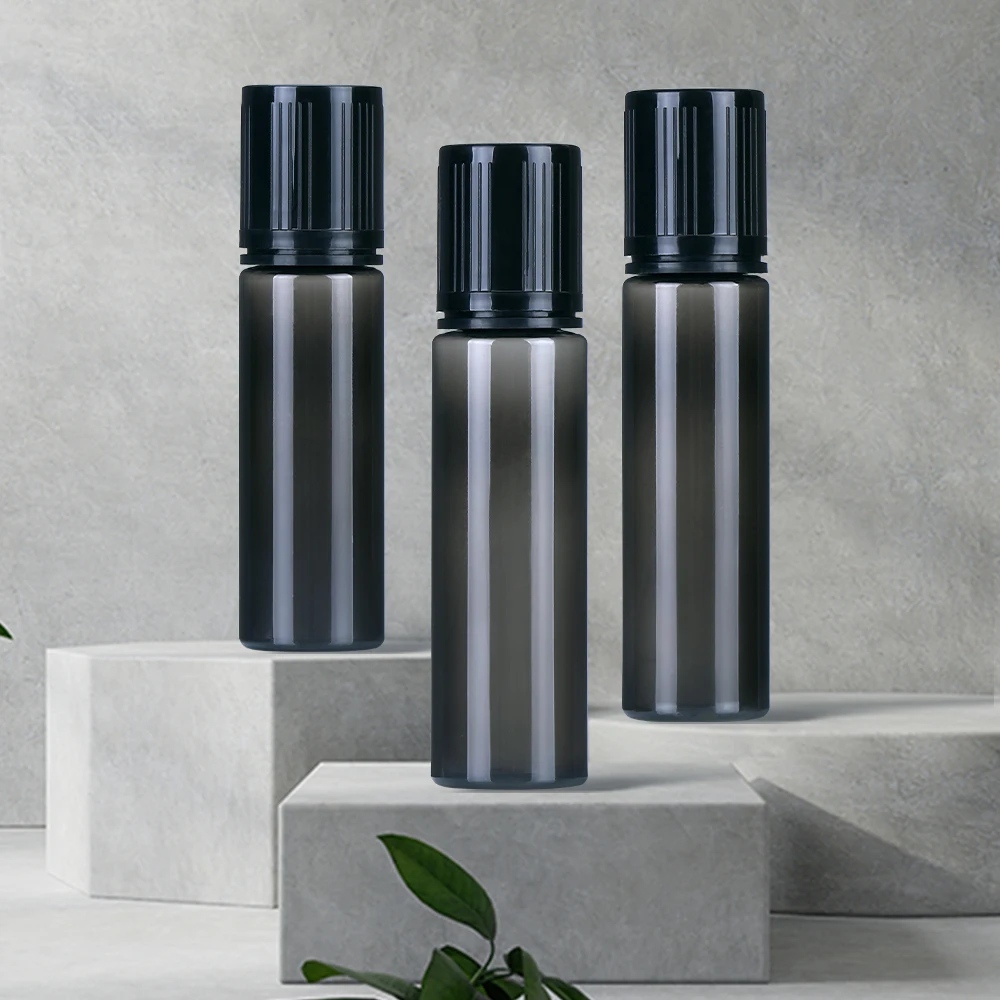
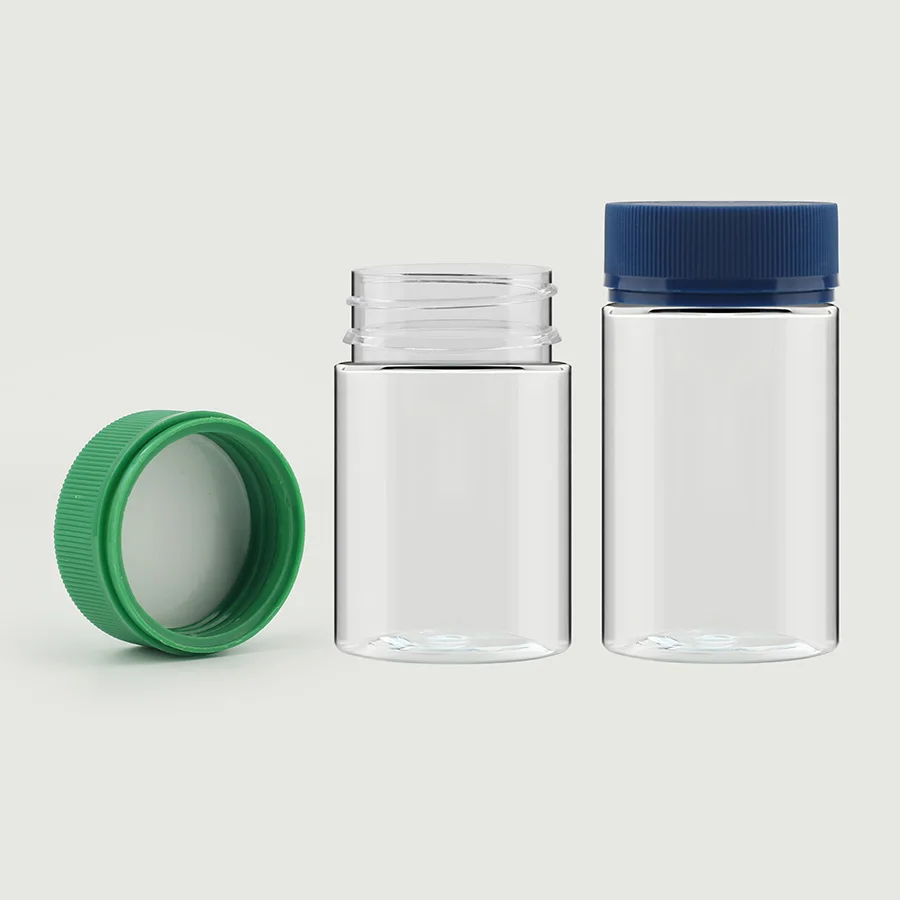
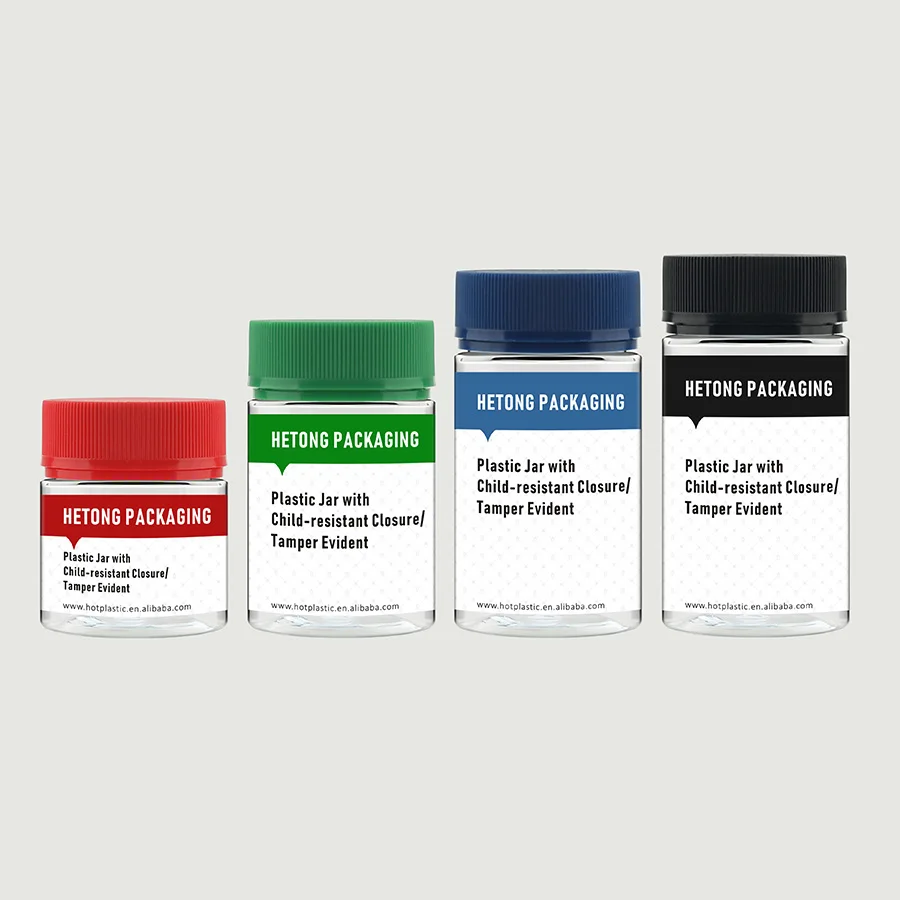
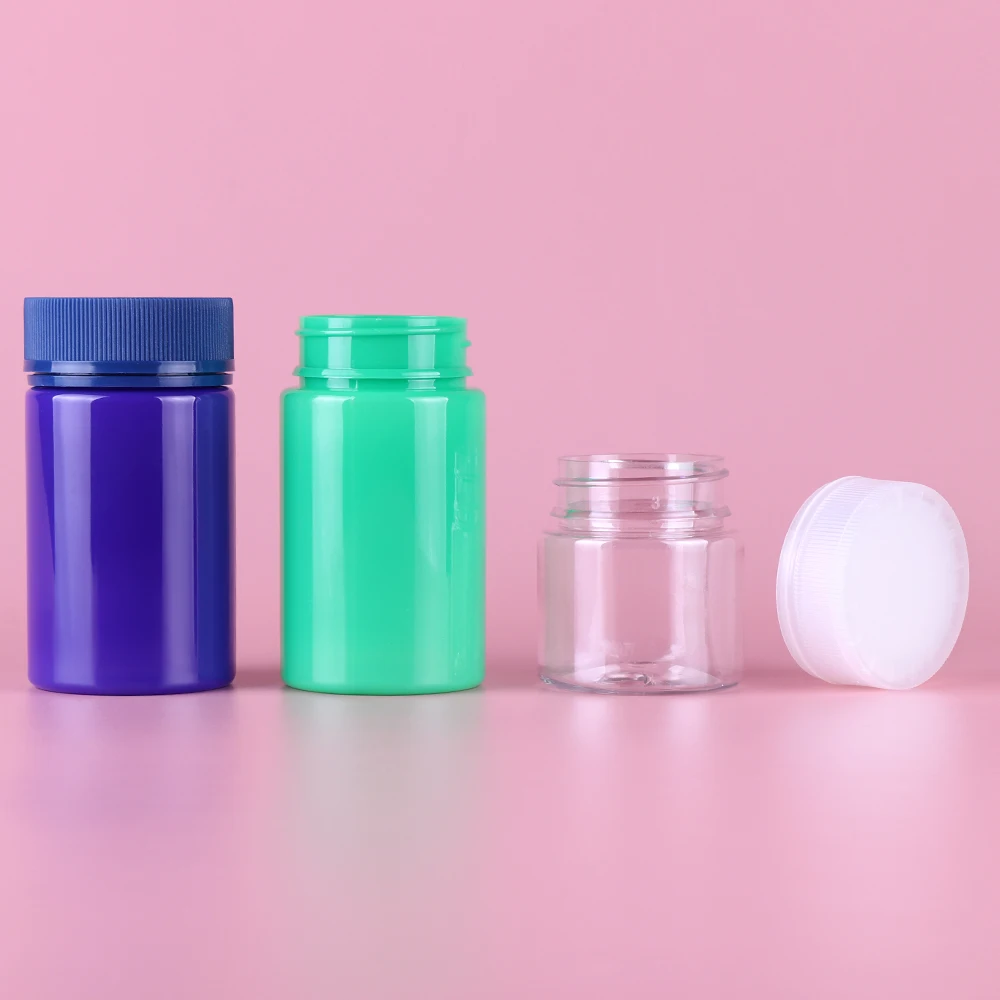
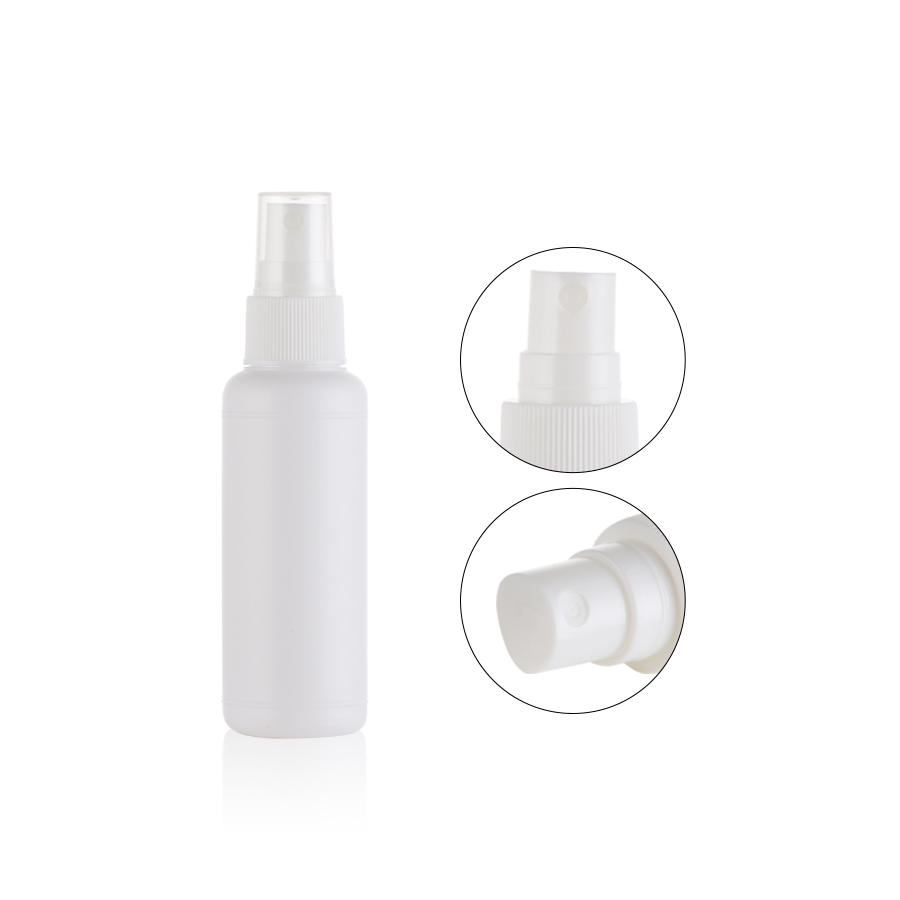
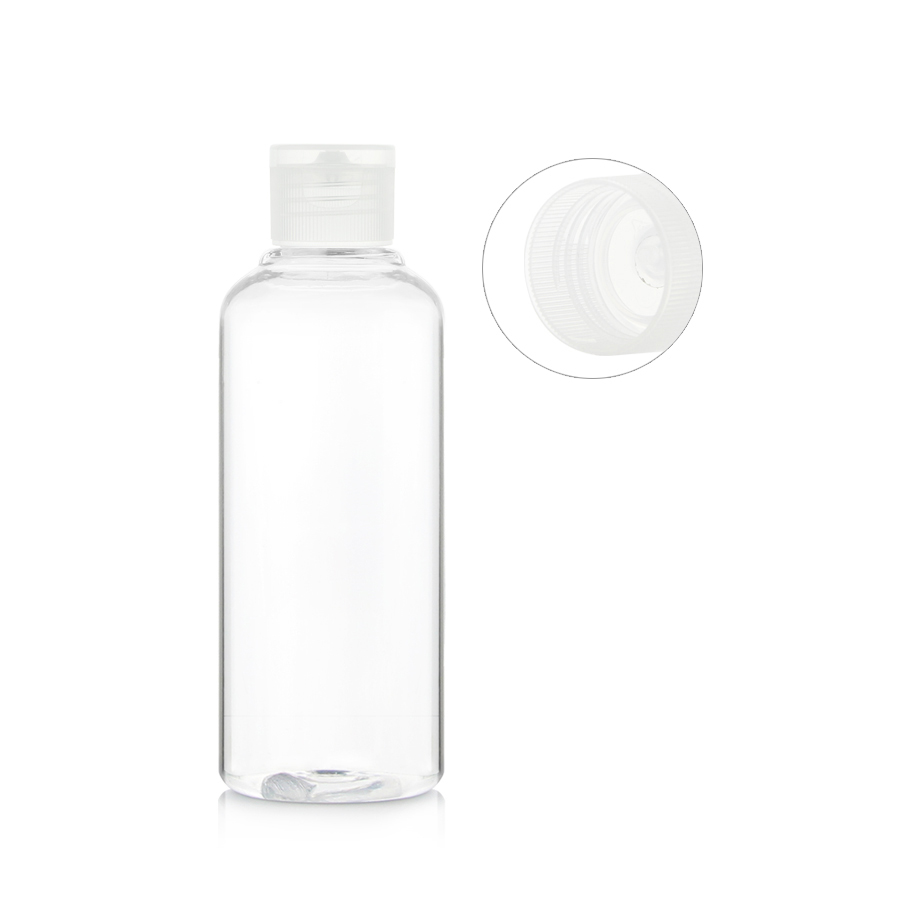
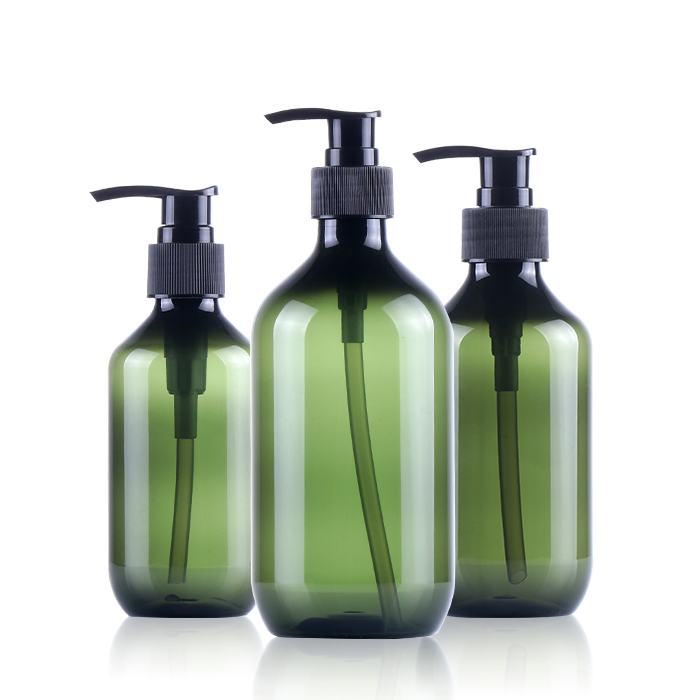
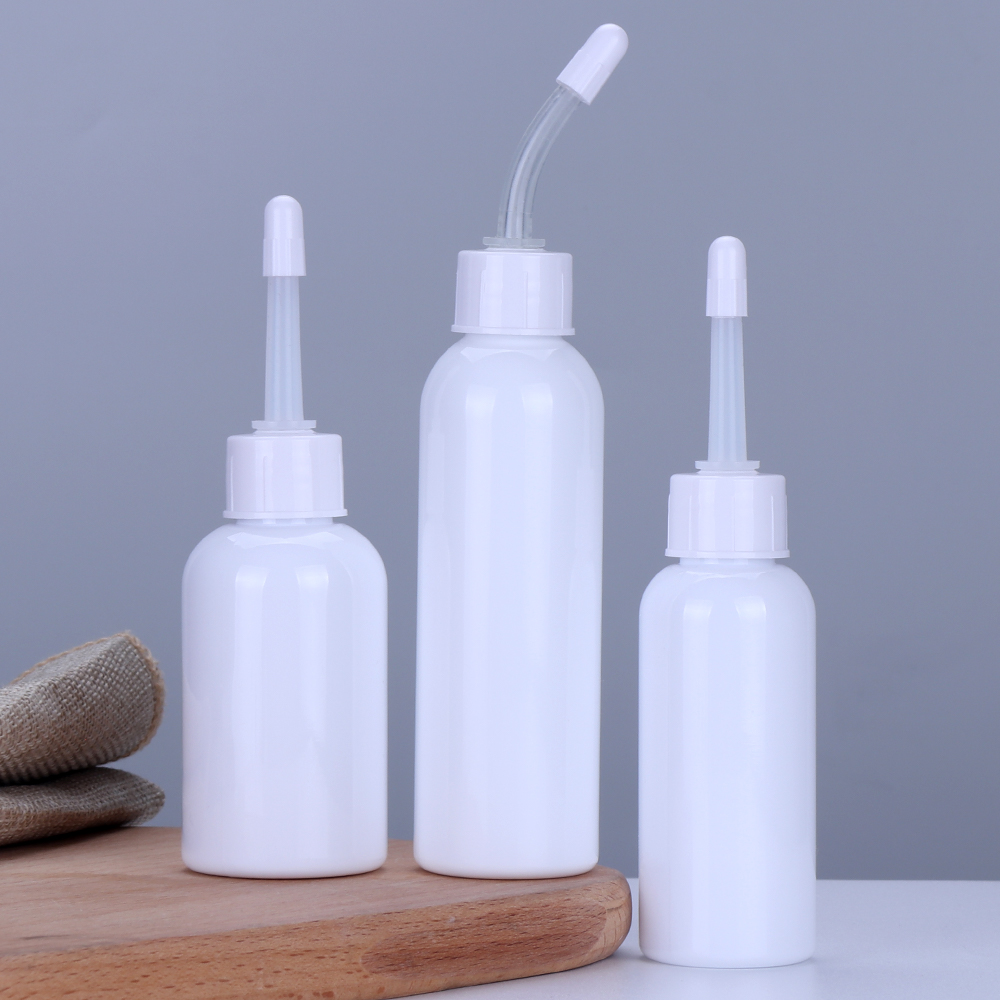
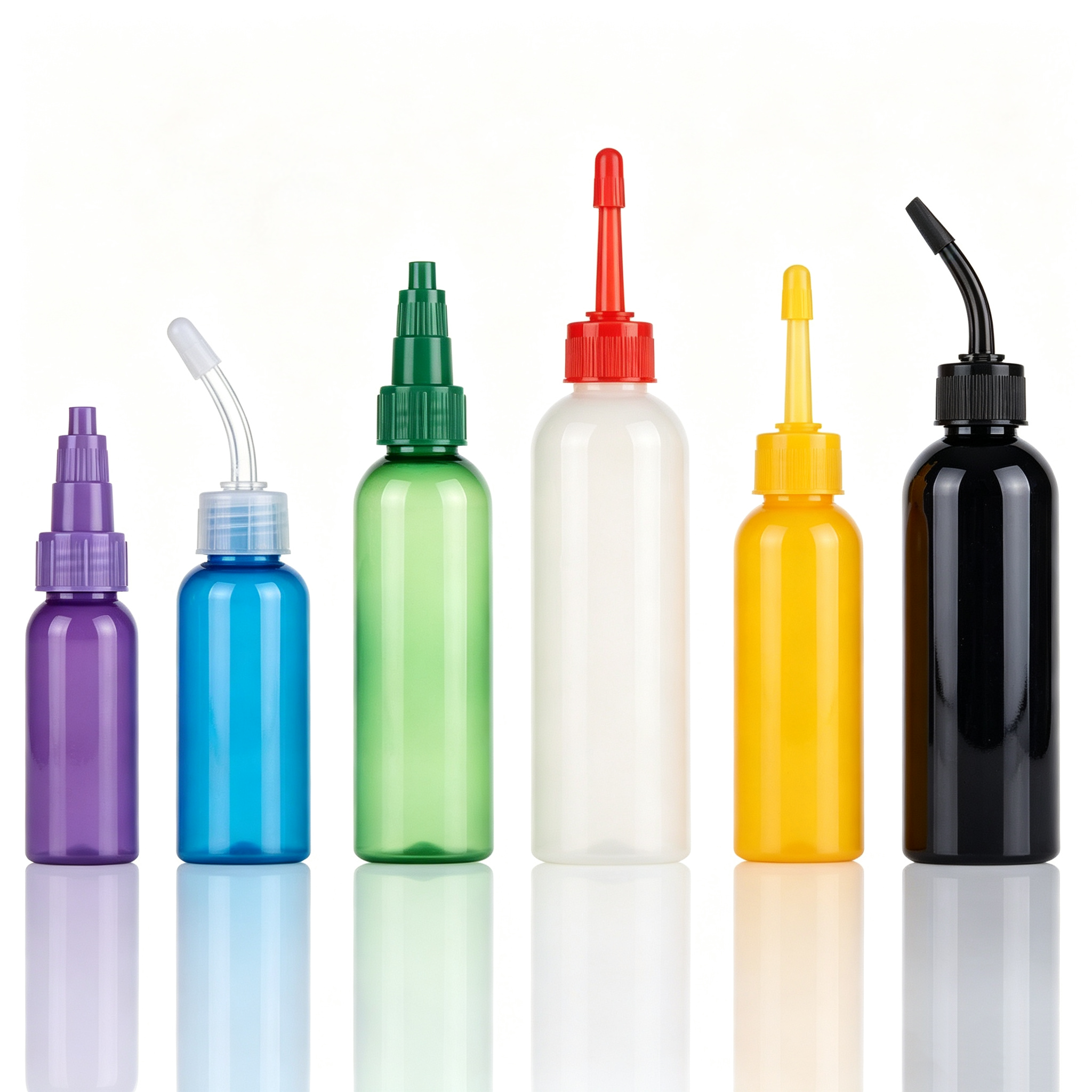
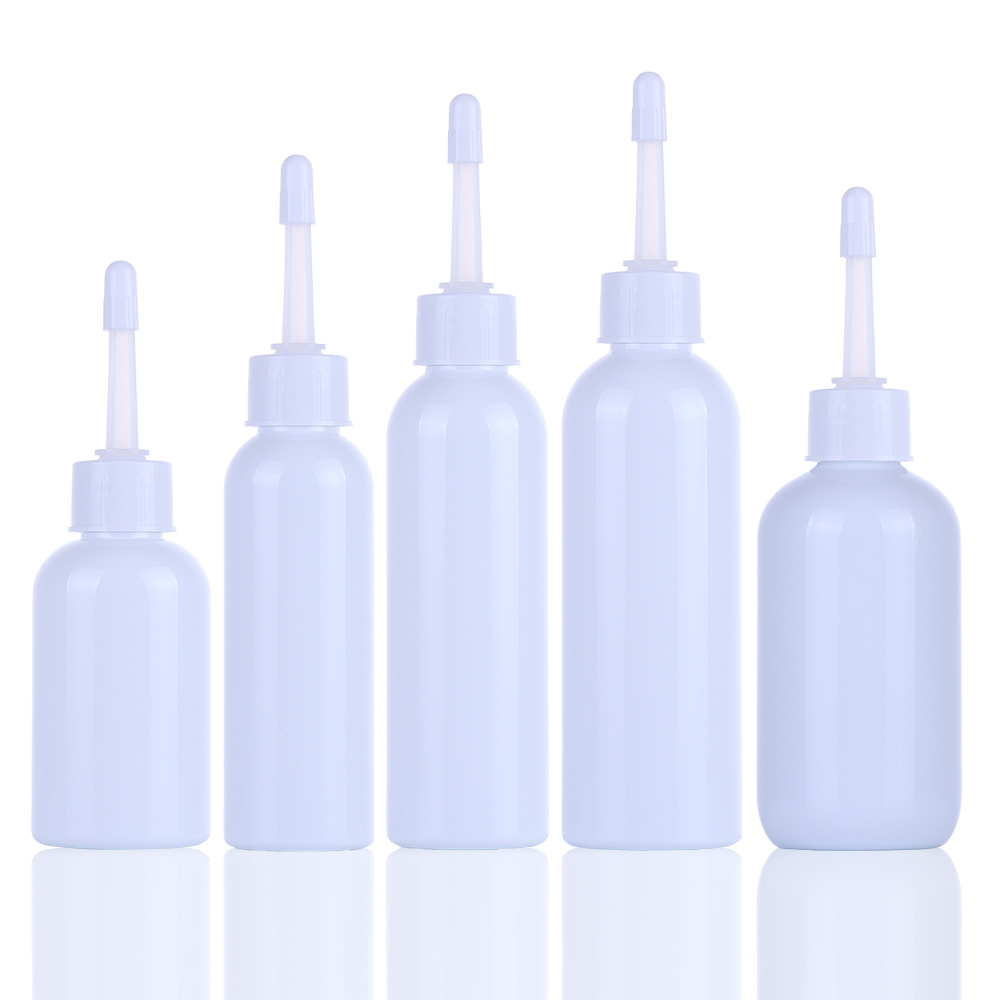
The empty pet bottle is one of the most versatile and widely used packaging solutions in the modern consumer goods industry. Made from polyethylene terephthalate, commonly known as PET, these bottles are engineered to deliver outstanding performance across a broad range of applications. Whether used for beverages, personal care products, household chemicals, or food storage, the empty pet bottle serves as a reliable, lightweight, and cost-effective container that meets the demands of both manufacturers and end users alike. At its core, the empty pet bottle is designed to provide a secure, airtight seal that preserves the integrity of its contents. The material itself is highly resistant to moisture, impact, and a wide spectrum of chemicals, making it suitable for storing everything from carbonated soft drinks and mineral water to cooking oils, sauces, and cleaning agents. The clarity of PET material allows consumers to see the product inside, which enhances shelf appeal and builds purchasing confidence. From a technological standpoint, empty pet bottles are produced using a two-stage manufacturing process that involves injection molding of a preform followed by stretch blow molding to achieve the final bottle shape. This process allows manufacturers to create bottles in virtually any size, shape, or color, offering tremendous flexibility for branding and product differentiation. Advanced barrier technologies can also be incorporated into the bottle walls to extend shelf life and protect sensitive contents from oxygen and UV exposure. The applications of the empty pet bottle span numerous industries. In the beverage sector, they are the container of choice for water, juices, sodas, and sports drinks. In personal care, they hold shampoos, conditioners, lotions, and gels. In the food industry, they package condiments, edible oils, and dry goods. Their recyclability further positions the empty pet bottle as a forward-thinking packaging choice that aligns with global sustainability goals and circular economy principles.

New Product Releases

Choosing the empty pet bottle for your packaging needs comes with a long list of practical benefits that directly impact your bottom line and your customers experience. Here is a straightforward look at why so many businesses across so many industries continue to rely on this packaging format. First, the empty pet bottle is remarkably lightweight. Compared to glass or metal containers, PET bottles weigh significantly less, which translates directly into lower shipping costs. When you are moving thousands or millions of units, that weight difference adds up fast. Your logistics costs drop, your carbon footprint shrinks, and your supply chain becomes more efficient without any sacrifice in product protection. Second, the empty pet bottle is extremely durable. PET is a tough material that resists cracking, shattering, and deforming under normal handling and transportation conditions. Unlike glass, a dropped PET bottle does not shatter into dangerous shards. This makes it a safer option for consumers and reduces product loss due to breakage during transit or on retail shelves. Third, the empty pet bottle offers outstanding clarity. The transparent nature of PET allows customers to see exactly what they are buying before they open the package. This visual accessibility builds trust and encourages purchase decisions, especially for food and beverage products where appearance matters. Brands can also take advantage of this clarity by using colored PET or custom labels to create eye-catching packaging that stands out on crowded shelves. Fourth, the empty pet bottle is highly customizable. Manufacturers can produce these bottles in an enormous range of shapes, sizes, neck finishes, and colors. Whether you need a sleek 500ml water bottle or a wide-mouth 2-liter container for cooking oil, the production process can be tailored to meet your exact specifications. This flexibility supports strong brand identity and helps products connect with their target audiences more effectively. Fifth, the empty pet bottle is food-safe and chemically stable. PET does not leach harmful substances into its contents under normal storage conditions, making it a trusted choice for food and beverage packaging worldwide. It meets international safety standards set by regulatory bodies including the FDA and EFSA, giving both manufacturers and consumers peace of mind. Sixth, the empty pet bottle is recyclable and increasingly made from recycled content. As sustainability becomes a top priority for consumers and regulators alike, PET stands out as one of the most recycled plastics in the world. Using empty pet bottles supports your brands environmental commitments and appeals to eco-conscious buyers who prefer products packaged responsibly. Seventh, the empty pet bottle is cost-effective at scale. The raw materials and manufacturing processes involved in producing PET bottles are well-established and efficient, keeping unit costs low even for large production runs. This affordability makes the empty pet bottle accessible to businesses of all sizes, from small artisan producers to global consumer goods companies. All of these advantages combine to make the empty pet bottle a smart, practical, and future-ready packaging solution that delivers real value at every stage of the product lifecycle.

Latest News

Get a Free Quote

Our representative will contact you soon.
Email
Mobile/WhatsApp
Name
Company Name
Message
0/1000

empty pet bottle

Superior Lightweight Design That Cuts Costs and Boosts Efficiency

Superior Lightweight Design That Cuts Costs and Boosts Efficiency

One of the most compelling reasons businesses choose the empty pet bottle over competing packaging formats is its exceptional lightweight construction. PET, or polyethylene terephthalate, is a polymer that delivers impressive structural strength at a fraction of the weight of glass or metal. This physical characteristic has profound implications for every stage of the supply chain, from manufacturing and filling to warehousing, transportation, and final delivery to the consumer. When you compare the weight of an empty pet bottle to an equivalent glass bottle, the difference is dramatic. A standard 500ml glass bottle can weigh anywhere from 200 to 300 grams, while a comparable empty pet bottle typically weighs between 10 and 25 grams. That is a weight reduction of more than 90 percent in many cases. For a business shipping tens of thousands of filled units per week, this reduction translates into measurable savings on freight costs, fuel consumption, and vehicle wear. Over the course of a year, these savings can be substantial enough to meaningfully improve profit margins. Beyond direct cost savings, the lightweight nature of the empty pet bottle also reduces the physical strain on workers who handle products during packing, palletizing, and stocking. Fewer injuries, less fatigue, and faster handling speeds all contribute to a more productive and safer working environment. Retailers also benefit because lighter products are easier to stock and rearrange on shelves. For consumers, the lightweight empty pet bottle is simply more convenient to carry, hold, and use. A lightweight bottle of water or juice is easier to grip, fits comfortably in a bag or backpack, and does not add unnecessary bulk to everyday carry. This user-friendly quality enhances the overall product experience and encourages repeat purchases. The lightweight design of the empty pet bottle also supports sustainability goals. Lighter packaging requires less energy to transport, which reduces greenhouse gas emissions across the distribution network. As brands face increasing pressure from consumers and regulators to demonstrate environmental responsibility, choosing a packaging format that inherently reduces transportation emissions is a meaningful step in the right direction. In summary, the lightweight design of the empty pet bottle is not just a physical property. It is a strategic advantage that delivers cost savings, operational efficiency, worker safety improvements, consumer convenience, and environmental benefits all at once.
Exceptional Durability and Product Protection for Every Application

Exceptional Durability and Product Protection for Every Application

The empty pet bottle is built to protect its contents through every stage of the product journey, from the filling line to the consumers hands. PET is a semi-crystalline thermoplastic that combines flexibility with toughness, giving it the ability to absorb impacts and resist deformation without cracking or breaking under normal conditions. This durability is one of the primary reasons the empty pet bottle has become the dominant packaging format in so many product categories worldwide. Consider what happens during a typical product distribution cycle. Filled bottles are stacked on pallets, wrapped in stretch film, loaded onto trucks, transported over long distances, unloaded at distribution centers, moved again to retail locations, and finally placed on shelves where consumers handle them before purchase. At every one of these touchpoints, packaging is subjected to physical stress. Glass bottles can crack or shatter at any of these stages, leading to product loss, safety hazards, and costly cleanup. The empty pet bottle, by contrast, is designed to flex and absorb these stresses without failing. Its impact resistance dramatically reduces breakage rates throughout the supply chain, which means less product waste, fewer customer complaints, and lower replacement costs for manufacturers and retailers. The durability of the empty pet bottle also extends to its chemical resistance. PET is stable against a wide range of substances including acids, alcohols, and many solvents, making it suitable for packaging products beyond simple beverages. Personal care items like shampoos and body washes, household cleaning products, automotive fluids, and agricultural chemicals can all be safely stored in appropriately designed empty pet bottles without risk of container degradation or contamination. Temperature performance is another dimension of durability worth noting. While PET has defined temperature limits, standard empty pet bottles perform reliably across the temperature ranges encountered in typical storage and retail environments. Hot-fill variants of the empty pet bottle are specifically engineered to withstand the elevated temperatures used in certain beverage and food filling processes, expanding the range of applications even further. For brands, the durability of the empty pet bottle means fewer returns, fewer complaints, and a stronger reputation for product quality. For consumers, it means confidence that the product they purchase will arrive intact and remain protected until they are ready to use it. This reliability is a foundational reason why the empty pet bottle continues to be the packaging format of choice across so many industries globally.
Recyclability and Sustainability That Align With Modern Consumer Values

Recyclability and Sustainability That Align With Modern Consumer Values

In an era where environmental responsibility is no longer optional for brands that want to remain competitive, the empty pet bottle stands out as one of the most sustainable packaging options available at commercial scale. PET is the most widely recycled plastic in the world, with established collection, sorting, and reprocessing infrastructure in place across dozens of countries. This means that when a consumer finishes a product packaged in an empty pet bottle, that container has a genuine second life ahead of it rather than heading straight to a landfill. The recycling process for PET is well-developed and efficient. Used PET bottles are collected, cleaned, shredded into flakes, and then reprocessed into recycled PET, commonly known as rPET. This rPET can be used to manufacture new empty pet bottles, polyester fiber for clothing and carpets, strapping materials, and a wide range of other products. The closed-loop potential of PET packaging is one of its most powerful sustainability credentials, and it is a credential that resonates strongly with today's environmentally aware consumers. Brands that use empty pet bottles made with recycled content or that participate in take-back and recycling programs can communicate a genuine commitment to sustainability that goes beyond marketing language. This matters because consumer research consistently shows that a growing segment of buyers actively prefer products from brands that demonstrate responsible environmental practices. Choosing the empty pet bottle as your packaging format gives you a tangible, verifiable sustainability story to tell. From a regulatory perspective, the recyclability of the empty pet bottle is also increasingly important. Governments around the world are introducing extended producer responsibility legislation, plastic packaging taxes, and mandatory recycled content requirements. PET packaging, with its established recycling infrastructure and high recovery rates, is well-positioned to meet these evolving requirements with minimal disruption to existing supply chains. The environmental benefits of the empty pet bottle extend beyond end-of-life recyclability. The lightweight nature of PET means less material is used per unit compared to heavier packaging formats, reducing the total amount of raw material consumed. Lower transportation weight also means lower fuel consumption and reduced carbon emissions across the distribution network. When you add up the material efficiency, the transport savings, and the recycling potential, the empty pet bottle presents a compelling sustainability profile that supports both corporate environmental goals and the expectations of a consumer base that is paying closer attention to packaging choices than ever before.

Get a Free Quote

Our representative will contact you soon.
Email
Mobile/WhatsApp
Name
Company Name
Message
0/1000