PE Plastic Bottle: Durable, Chemical-Resistant and Eco-Friendly Packaging Solutions

All Categories

Get a Free Quote

Our representative will contact you soon.
Email
Mobile/WhatsApp
Name
Company Name
Message
0/1000

pe plastic bottle

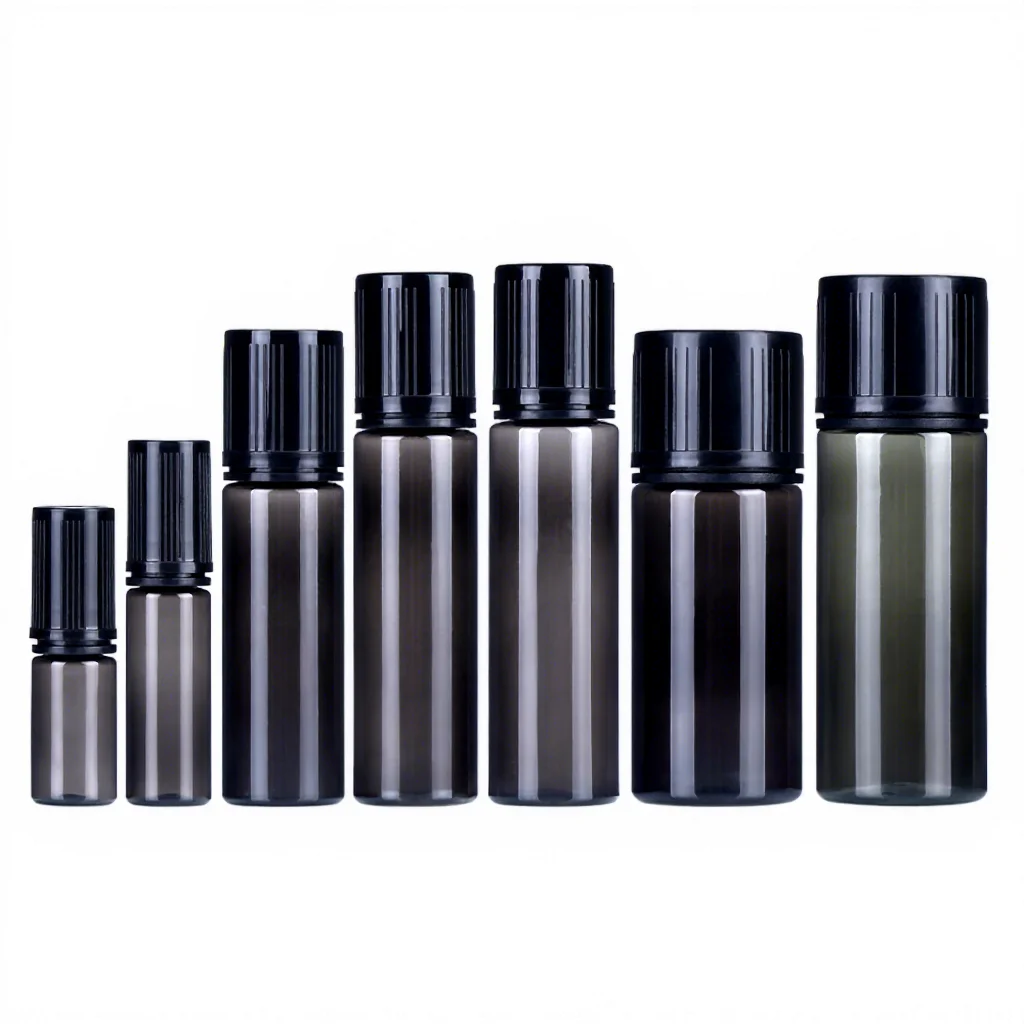
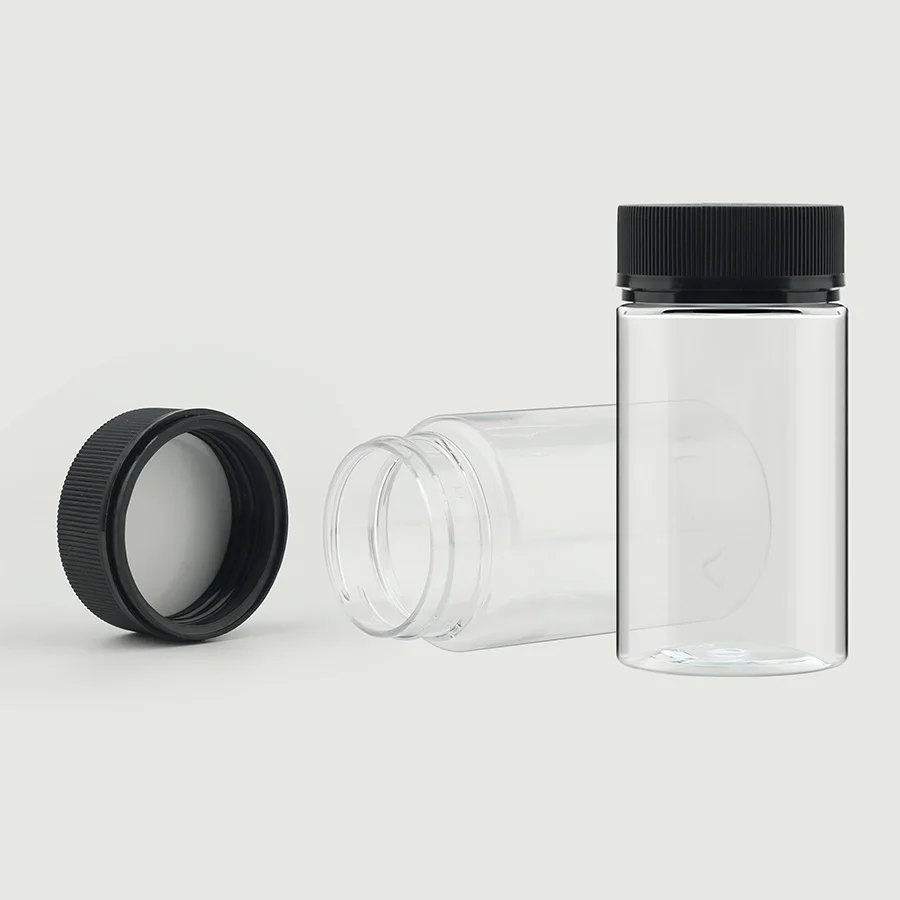
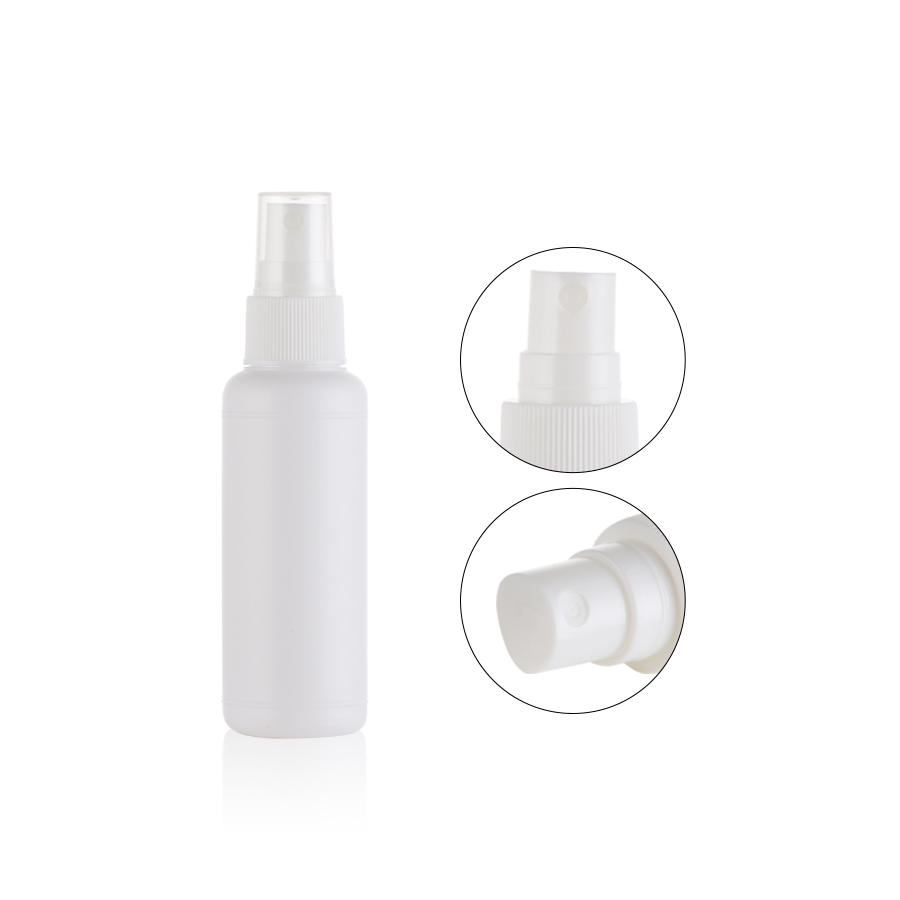
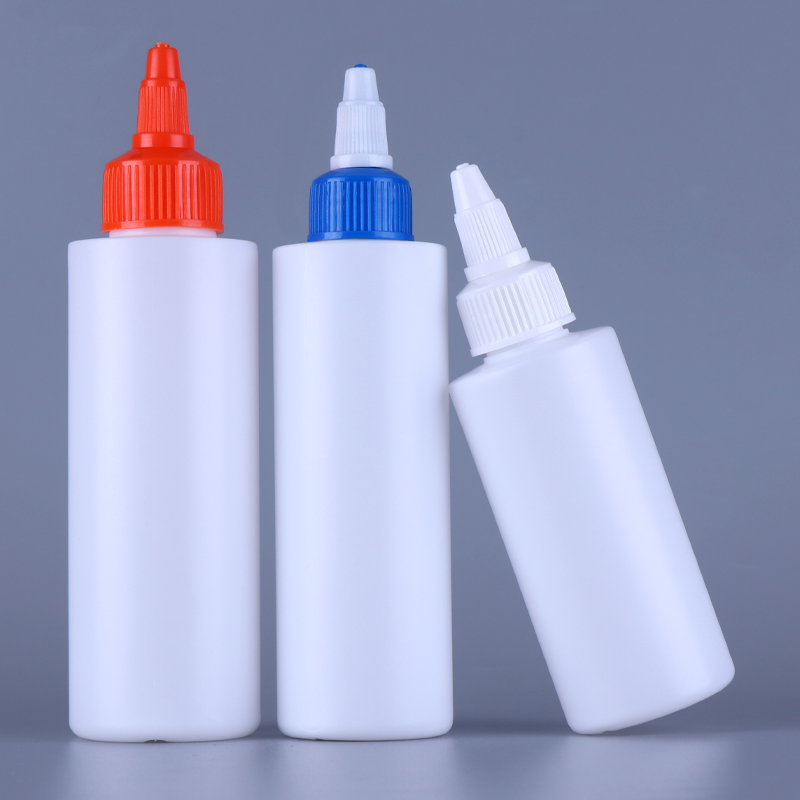
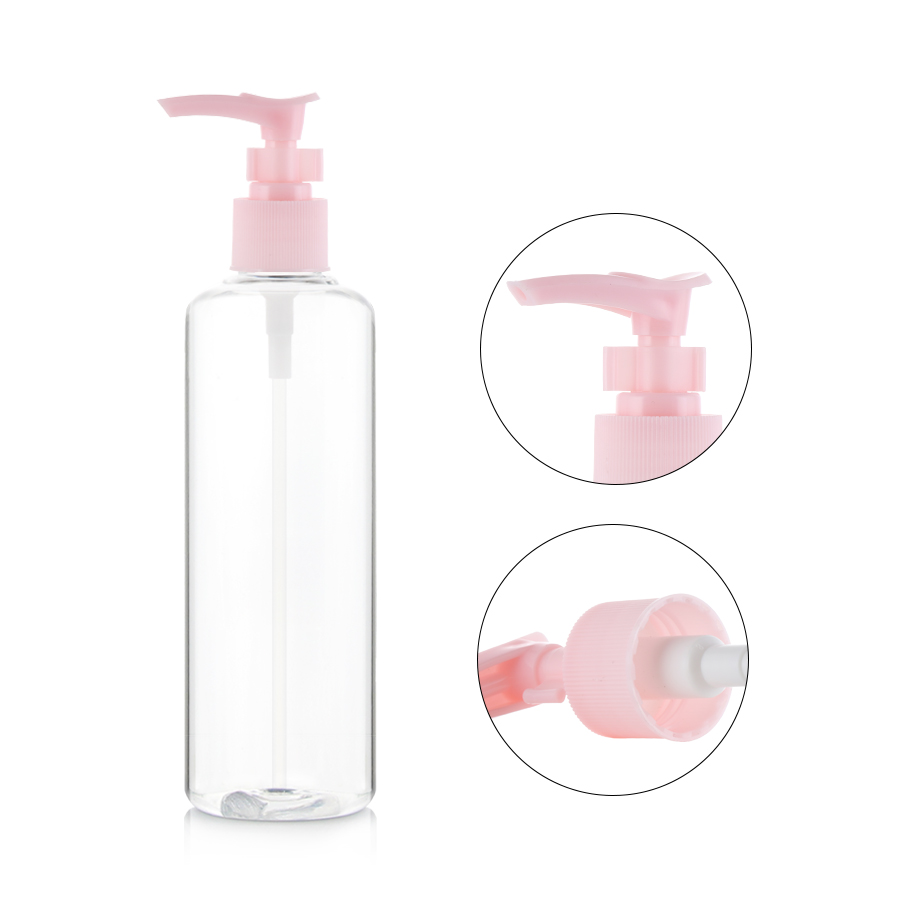
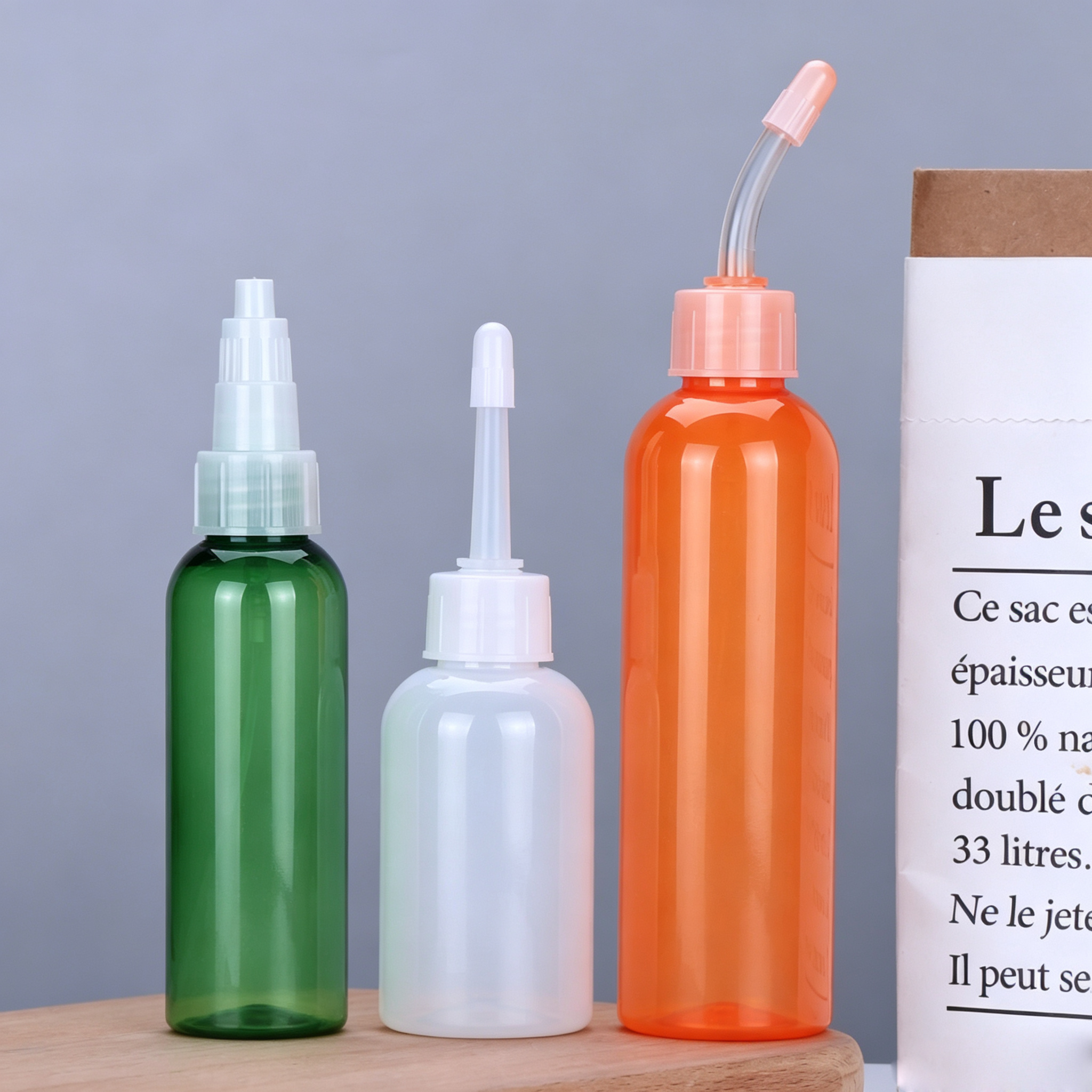
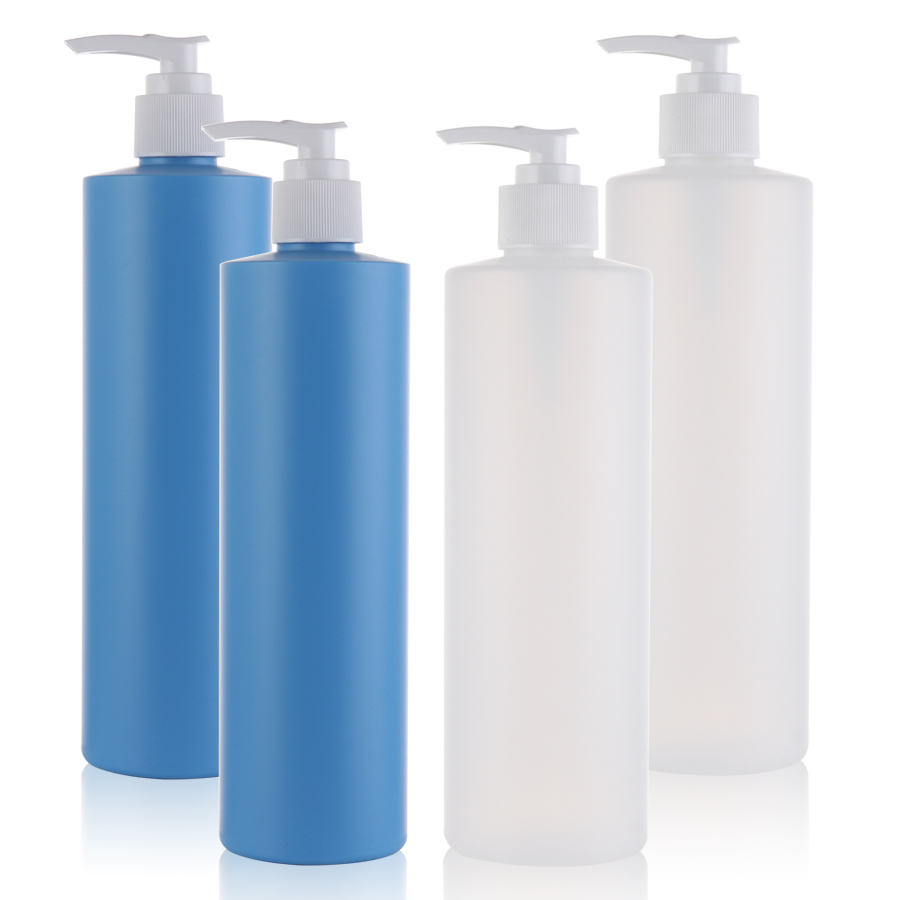
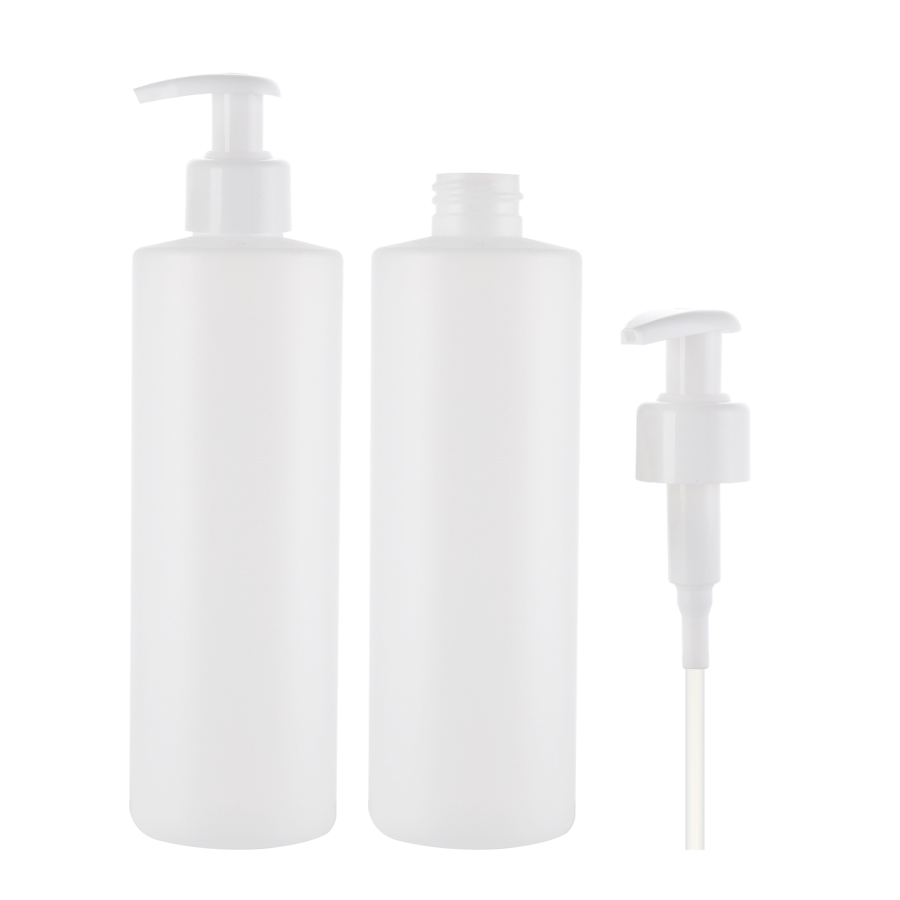
The PE plastic bottle, made from polyethylene, is one of the most widely used packaging solutions across industries worldwide. Polyethylene is a thermoplastic polymer that offers an exceptional combination of flexibility, durability, and chemical resistance, making the PE plastic bottle a go-to choice for manufacturers, distributors, and end users alike. Whether you are packaging household cleaners, personal care products, food items, or industrial chemicals, the PE plastic bottle delivers consistent performance under a wide range of conditions. From a technological standpoint, PE plastic bottles are produced through blow molding processes, including extrusion blow molding and injection stretch blow molding, which allow for precise control over wall thickness, shape, and volume. This manufacturing flexibility means that PE plastic bottles can be produced in virtually any size, from small 30ml containers to large 5-liter jugs, accommodating diverse packaging needs. The material itself comes in two primary grades: high-density polyethylene, known as HDPE, and low-density polyethylene, known as LDPE. HDPE PE plastic bottles are rigid, strong, and resistant to impact and moisture, making them ideal for detergents, motor oils, and milk. LDPE PE plastic bottles, on the other hand, are softer and more flexible, suited for squeeze bottles and tubes. Both grades are non-toxic, FDA-approved for food contact, and fully recyclable, aligning with modern sustainability goals. The PE plastic bottle also features excellent barrier properties against moisture and many chemicals, ensuring product integrity throughout the supply chain. Its lightweight nature reduces shipping costs and carbon footprint compared to glass or metal alternatives. Additionally, PE plastic bottles are compatible with a broad spectrum of colorants and additives, enabling custom branding and UV protection. Industries ranging from agriculture and pharmaceuticals to food and beverage and personal care rely on the PE plastic bottle for its proven reliability, cost-effectiveness, and versatility in meeting complex packaging demands.

New Product Recommendations

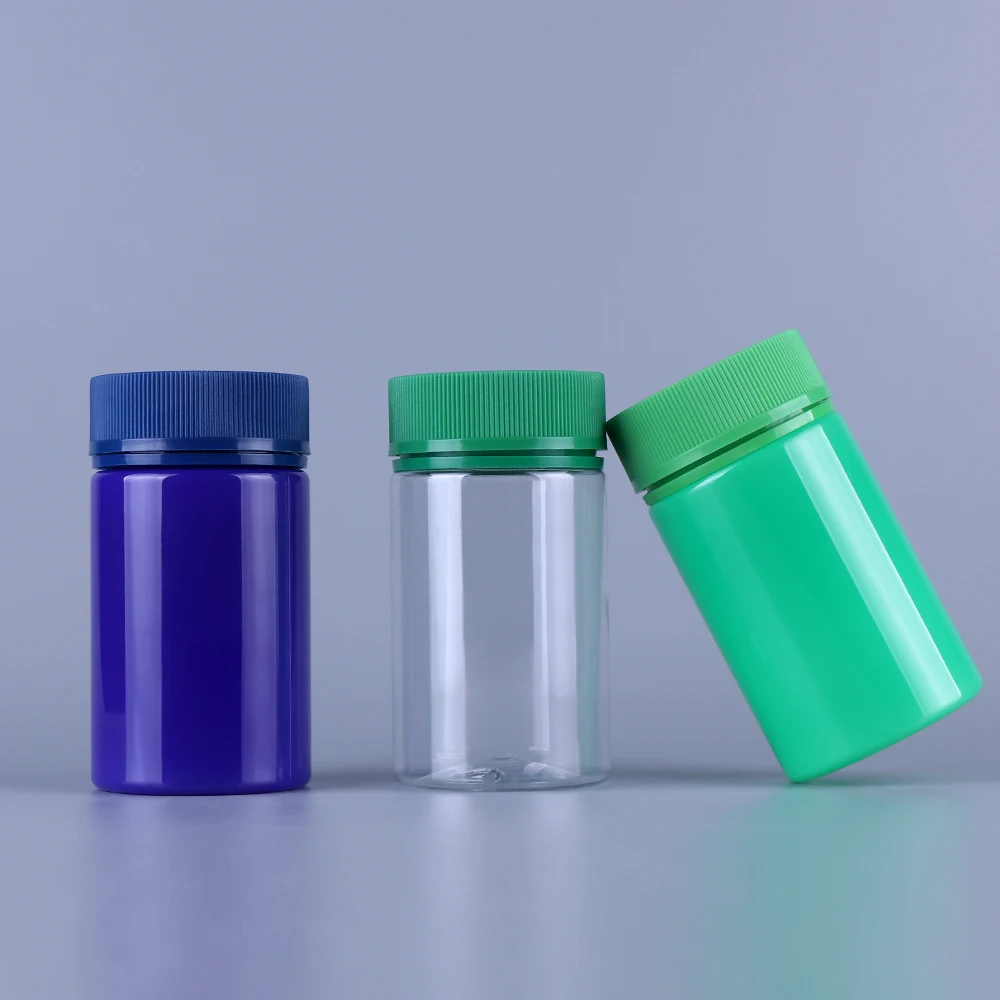
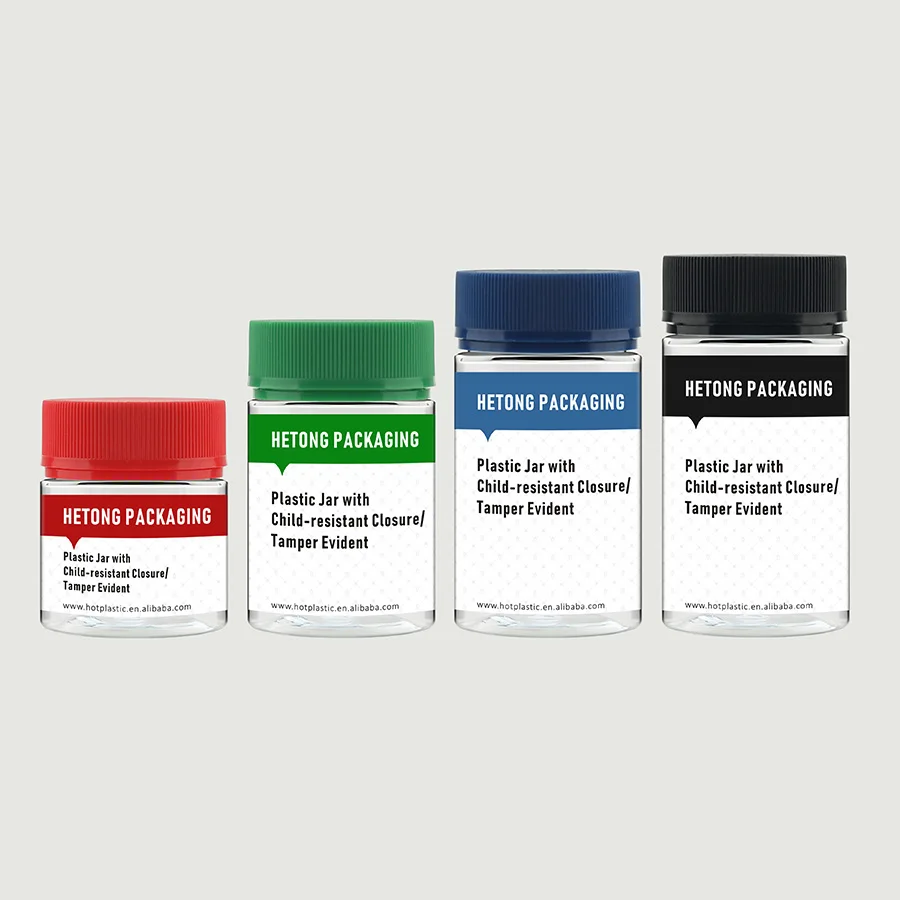
Choosing a PE plastic bottle for your packaging needs comes with a long list of real, practical benefits that directly impact your bottom line and your customers' experience. Here is a straightforward look at why so many businesses across so many industries keep coming back to the PE plastic bottle time and time again. First, the PE plastic bottle costs less to produce than glass or metal containers. The raw materials are affordable, the manufacturing process is efficient, and the lightweight design cuts down on shipping expenses. When you ship thousands of units, those savings add up fast. You pass some of those savings on to your customers, and you keep more margin for your business. That is a win on both sides. Second, the PE plastic bottle is tough. It resists cracking, shattering, and denting under normal handling and transport conditions. Unlike glass, a dropped PE plastic bottle does not shatter into dangerous shards. This makes it safer for workers on the production floor, safer for consumers at home, and safer during transit. Fewer breakages mean fewer product losses and fewer customer complaints. Third, the PE plastic bottle handles a wide variety of contents without degrading or reacting. Whether you fill it with water, juice, shampoo, bleach, or motor oil, the polyethylene material holds up. It does not leach harmful chemicals into the product, and it does not corrode when exposed to acids or bases. This chemical compatibility gives you the freedom to use one bottle type across multiple product lines, simplifying your supply chain. Fourth, the PE plastic bottle is lightweight. A glass bottle of the same volume can weigh three to five times more. That difference matters when you are calculating freight costs, ergonomics for end users, and environmental impact. Lighter packaging means lower fuel consumption during transport, which reduces your carbon footprint without any extra effort on your part. Fifth, the PE plastic bottle is fully recyclable. Both HDPE and LDPE are accepted in most municipal recycling programs worldwide. Consumers increasingly care about sustainability, and offering a product in a recyclable PE plastic bottle sends a clear message that your brand takes environmental responsibility seriously. This can strengthen customer loyalty and open doors to eco-conscious market segments. Sixth, the PE plastic bottle is highly customizable. You can choose from a wide range of shapes, sizes, colors, and closure types. You can add handles for large containers, tamper-evident caps for safety, and custom labels or embossed logos for branding. This flexibility lets you create packaging that stands out on the shelf and communicates your brand identity clearly. Seventh, the PE plastic bottle has a long shelf life. It does not rust, rot, or degrade under normal storage conditions. Products stored in PE plastic bottles maintain their quality for extended periods, reducing waste and returns. For businesses that manage large inventories, this stability is a significant operational advantage. In summary, the PE plastic bottle delivers cost savings, durability, chemical resistance, lightweight convenience, recyclability, customization options, and long-term stability. These are not abstract technical claims. They are practical benefits that make daily operations smoother, reduce costs, and help you serve your customers better.

Latest News

Get a Free Quote

Our representative will contact you soon.
Email
Mobile/WhatsApp
Name
Company Name
Message
0/1000

pe plastic bottle

Unmatched Durability and Impact Resistance for Everyday Use

Unmatched Durability and Impact Resistance for Everyday Use

One of the most compelling reasons businesses and consumers choose the PE plastic bottle is its outstanding durability. Polyethylene is a material engineered to absorb impact without cracking, splitting, or shattering. In real-world conditions, packaging takes a beating. Bottles get dropped on warehouse floors, jostled during shipping, stacked under heavy loads, and handled repeatedly by workers and consumers. The PE plastic bottle is built to survive all of this without compromising the integrity of the container or the product inside. This durability starts at the molecular level. Polyethylene chains are tightly bonded and flexible, allowing the material to deform slightly under stress and then return to its original shape rather than fracturing. This property, known as toughness, is what separates the PE plastic bottle from more brittle alternatives like glass or certain rigid plastics. When a glass bottle falls, it shatters. When a PE plastic bottle falls, it bounces. That difference has enormous practical implications for safety and cost. For manufacturers and distributors, fewer broken bottles mean lower product loss rates, reduced cleanup costs, and fewer workplace injuries from broken glass. For retailers, it means less shrinkage on the shelf and fewer customer complaints. For consumers, it means a safer product in the home, especially in households with children or elderly individuals who may be more prone to dropping containers. The impact resistance of the PE plastic bottle also extends its usefulness into demanding industrial environments. Chemical plants, agricultural operations, and automotive service centers all rely on PE plastic bottles to store and dispense products that would be dangerous if spilled due to container failure. The confidence that a PE plastic bottle will not fail under normal use conditions is not a small thing. It is a foundational requirement for any serious packaging application. Beyond impact resistance, the PE plastic bottle also resists fatigue from repeated use. Squeeze bottles made from LDPE polyethylene can be compressed and released thousands of times without developing cracks or weak spots. This makes the PE plastic bottle ideal for dispensing applications where the container is actively used as a tool, not just a passive storage vessel. The durability of the PE plastic bottle ultimately translates into value. You buy fewer replacement containers, experience fewer product losses, and deliver a more reliable experience to your customers. In a competitive market, that reliability builds trust and repeat business.
Superior Chemical Resistance Across a Wide Range of Products

Superior Chemical Resistance Across a Wide Range of Products

The PE plastic bottle stands out in the packaging world for its exceptional ability to resist chemical degradation across a remarkably broad spectrum of substances. This is not a minor technical detail. It is a core functional advantage that makes the PE plastic bottle the preferred choice for industries that deal with aggressive, reactive, or sensitive materials on a daily basis. Polyethylene is chemically inert to most acids, bases, alcohols, and aqueous solutions. This means that when you fill a PE plastic bottle with bleach, vinegar, hydrogen peroxide, shampoo, motor oil, or agricultural herbicide, the bottle does not react with the contents. It does not absorb the product, leach harmful compounds back into it, or weaken over time due to chemical exposure. The product stays pure, and the bottle stays strong. This chemical resistance is particularly valuable in the household cleaning products industry, where formulations often contain strong alkaline or acidic compounds. A PE plastic bottle holds these products safely without any risk of container failure or contamination. The same applies to the personal care industry, where formulations may include surfactants, fragrances, and preservatives that could degrade lesser packaging materials. In the agricultural sector, the PE plastic bottle is the standard container for pesticides, herbicides, and fertilizers. These chemicals are often highly concentrated and reactive, yet the PE plastic bottle contains them reliably from the production facility to the farm. This reliability is not just a convenience. In many cases, it is a regulatory requirement, and the PE plastic bottle consistently meets or exceeds those standards. The food and beverage industry also benefits from the chemical resistance of the PE plastic bottle. HDPE PE plastic bottles are FDA-approved for direct food contact, meaning they do not transfer harmful substances into food or drink. Milk jugs, juice containers, and water bottles made from PE plastic are safe, stable, and trusted by consumers around the world. From a business perspective, the broad chemical compatibility of the PE plastic bottle simplifies procurement and inventory management. Instead of sourcing different container types for different product lines, many companies standardize on the PE plastic bottle across their entire catalog. This consolidation reduces supplier complexity, lowers unit costs through volume purchasing, and streamlines quality control processes. The PE plastic bottle does not just hold your product. It protects it, preserves it, and delivers it to your customer in exactly the condition you intended.
Eco-Friendly Design and Full Recyclability for a Sustainable Future

Eco-Friendly Design and Full Recyclability for a Sustainable Future

Sustainability is no longer a niche concern for a small segment of environmentally conscious consumers. It is a mainstream expectation that shapes purchasing decisions across demographics and industries. The PE plastic bottle is well-positioned to meet this expectation, offering a packaging solution that combines practical performance with genuine environmental responsibility. Both HDPE and LDPE, the two primary forms of polyethylene used in PE plastic bottle production, are fully recyclable materials. They are accepted by recycling programs in most countries and can be processed into new products including new bottles, plastic lumber, pipes, and bags. When a consumer places a used PE plastic bottle in the recycling bin, that material re-enters the production cycle rather than ending up in a landfill. This closed-loop potential is a significant environmental advantage over non-recyclable packaging materials. The lightweight nature of the PE plastic bottle also contributes to its environmental profile. Because PE plastic bottles weigh significantly less than glass equivalents, more units can be transported per truckload. This means fewer trucks on the road, less fuel consumed, and lower greenhouse gas emissions per unit delivered. Over the course of millions of shipments, this weight advantage translates into a measurable reduction in the carbon footprint of the supply chain. Manufacturers are also increasingly producing PE plastic bottles using recycled polyethylene content, often referred to as rPE. Using recycled content in new PE plastic bottle production reduces the demand for virgin petroleum-based raw materials, further lowering the environmental impact of the packaging. Many brands are now actively seeking suppliers who can provide PE plastic bottles with high recycled content as part of their corporate sustainability commitments. For businesses, offering products in a recyclable PE plastic bottle is a tangible way to demonstrate environmental values to customers. It supports green marketing claims, helps meet corporate social responsibility targets, and can contribute to certifications and compliance with increasingly strict packaging regulations in markets around the world. Consumers notice and appreciate these efforts, and they reward brands that take sustainability seriously with loyalty and advocacy. The PE plastic bottle proves that you do not have to choose between performance and environmental responsibility. You can have both, and in today's market, that combination is a powerful competitive advantage that resonates with customers, regulators, and investors alike.

Get a Free Quote

Our representative will contact you soon.
Email
Mobile/WhatsApp
Name
Company Name
Message
0/1000